-
SHARON GUYNUP, MONGABAY
On the Frontline of India’s Rhino Wars
›April 6, 2017 // By Wilson Center Staff
In the dead of night on February 15, gunshots blasted the guards into action in India’s Kaziranga National Park. Rangers stationed in a nearby camp quickly spread out, searching for the shooters under the light of a nearly full moon – to no avail.
-
A Survey of the “War on Wildlife”: How Conflict Affects Conservation
›
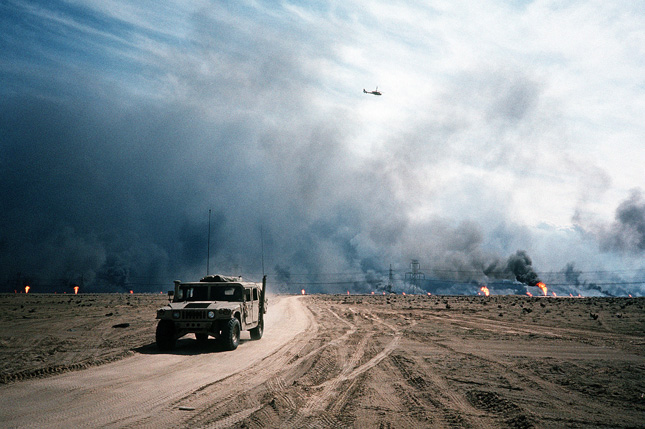
Over the last 60 years, more than two-thirds of the world’s remaining biodiversity hotspots have experienced armed conflict. The effects have been myriad, from destruction as a result of military tactics to indirect socioeconomic and political changes, like human migration and displacement. This so-called “war on wildlife” has important implications for conservation and peacebuilding efforts, according to a recent literature review published in Frontiers in Ecology and the Environment.
-
Inside ‘The Poachers Pipeline’: Q&A With Al Jazeera’s Jeremy Young and Kevin Hirten
›Rhino horn is the most valuable illegally traded wildlife product in the world, more expensive per pound than either gold or cocaine and much more valuable than elephant ivory. With as few as 25,000 wild rhinos left in Africa, conservationist and law enforcement fight a constant battle with criminal syndicates seeking to kill rhinos and sell their horns to wealthy consumers abroad, many in Asia.
-
In Ecuador, Indigenous Environmental Attitudes Affected by Proximity to Oil Extraction
›True to essentialist stereotypes, Latin America’s indigenous peoples are the best stewards of the region’s rainforests. But the source of their enthusiasm for environmental protection is more complex than mere ascriptive traits or whether they speak native languages. What’s more, in a development that should be worrying to environmentalists, exposure to the negative effects of extractive industries appears to have a degrading effect on that enthusiasm.
-
Can We Save the World’s Remaining Forests? A Look at ‘Why REDD Will Fail’
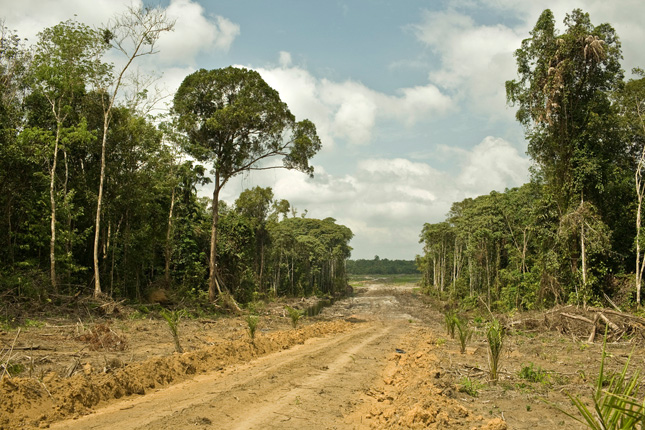
›As climate change threatens the stability of ecosystems around the world, the preservation of forests is seen as a “win-win” solution to curbing planet-warming emissions while producing value for developing country economies.
-
Sharon Guynup, Mongabay
Axing “Conflict Minerals” Rule Also Threatens DRC’s Endangered Grauer Gorillas
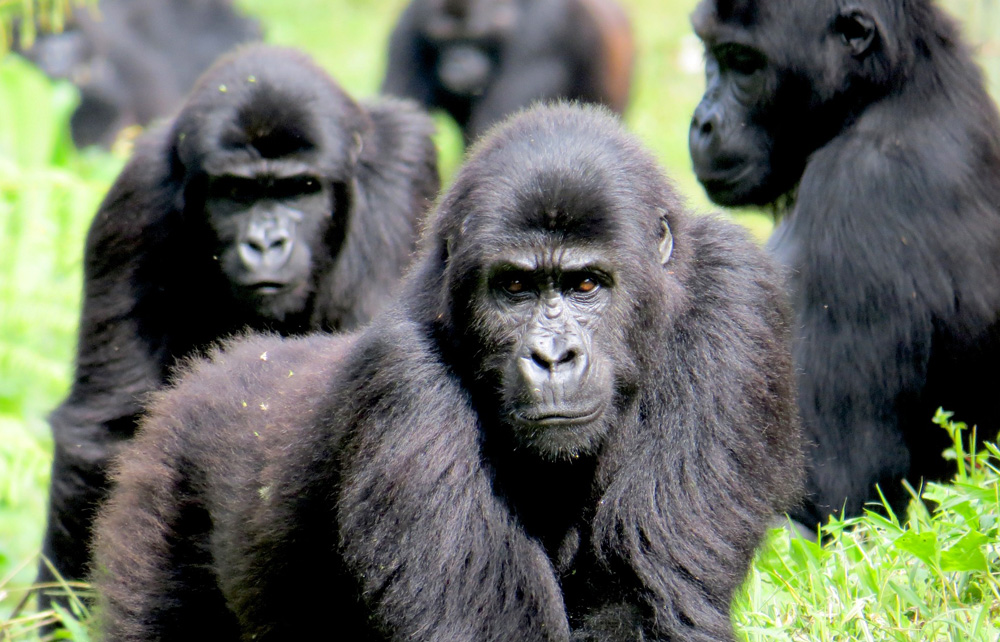
›March 2, 2017 // By Wilson Center StaffFor weeks, the primatologists had followed a group of Grauer’s gorillas over rugged terrain – hacking through dense rainforest; following knife-edged ravines; and crossing a nearly impenetrable mountainous landscape in the eastern part of the Democratic Republic of the Congo (DRC).
-
Backdraft Episode #3: Kimberly Marion Suiseeya on Voice, Justice, and Representation
›“If we think sustainable development is the goal we want to achieve, we have to be radical in elevating those who have been traditionally excluded,” says Northwestern University’s Kimberly Marion Suiseeya in this week’s “Backdraft” episode. “We have to approach conservation and global environmental governance from the perspective of the invisible and the marginalized people.” -
Come Hell or Holy Water: India’s Fight to Save the Ganges
›February 13, 2017 // By Sreya PanugantiRevered for far more than its contribution to Indian civilization, the Ganges represents the goddess of salvation, Ganga. As a symbol of purity in Hindu mythology, the holy river is thought to cleanse believers both spiritually and physically with its waters.
Showing posts from category protected areas.

 “If we think sustainable development is the goal we want to achieve, we have to be radical in elevating those who have been traditionally excluded,” says Northwestern University’s Kimberly Marion Suiseeya in this week’s “Backdraft” episode. “We have to approach conservation and global environmental governance from the perspective of the invisible and the marginalized people.”