

-
A Little Respect: Saraswathi Vedam on Reducing Over-Intervention in Maternal Care Through More Autonomy
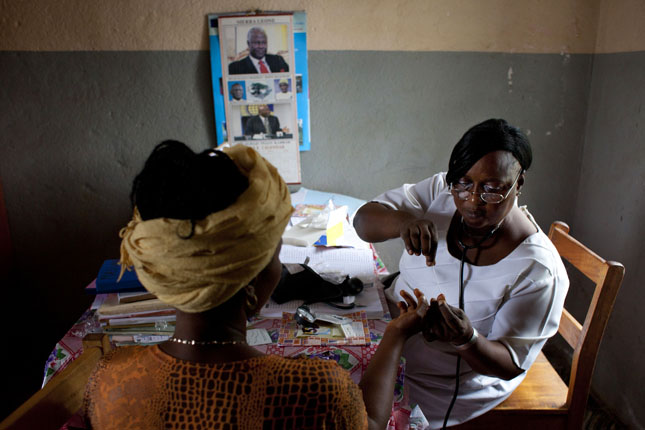
› Governments and health organizations have made remarkable gains in reducing maternal mortality and morbidity rates around the world. Much of those gains have been driven by increasing capacity, directing more women to hospitals and clinics to ensure they get modern medical care. Increasingly, however, experts are realizing that this push has brought challenges of its own.
 -
A Changing Environment Threatens Worker Safety and Productivity
›May 11, 2017 // By Sara Merken
The implications for a warmer climate are many, but perhaps one of the most frequently overlooked is what it could mean for worker safety and productivity in certain sectors of the global economy.
-
The Business Case for Sustainable Development Is Real and Growing
›In 2000, the United Nations established the Millennium Development Goals (MDGs) with the goal of creating a global partnership for development. The formation of the MDGs created a foundation for collaboration and encouraged cross-sector partnerships to reduce poverty but also promote issues like environmental sustainability and gender equality. To carry on momentum from the MDGs, 17 Sustainable Development Goals (SDGs) were established in 2015 to further encourage partnerships between civil society organizations, the private sector, academic institutions, and more. Increased private sector engagement in development is a major goal of the SDGs – and we would argue that it is crucial to their success.
-
Climate-Induced Migration in the Philippines, and Mercy Corps’ Resilience Work in Ethiopia
›Recent rises in temperature and typhoon frequency and intensity have resulted in more internal migration in the Philippines, according to an article by Pratikshya Bohra-Mishra et al. in Population and Environment. The authors conclude that temperature change and natural disasters, such as typhoons, can have a significant effect on short-distance, sub-national migration because they reduce rice yields, which is used as a proxy for agricultural productivity. -
Backdraft #7: Janani Vivekananda on What Renewable Energy Projects Can Learn From Oil, and Future-Proofing Humanitarian Responses
›As more and more development and humanitarian programs contend with climate-related problems, there are important lessons learned from past experience that should not be forgotten, says Janani Vivekananda, formerly of International Alert and now with adelphi, in this week’s episode of “Backdraft.” -
For India, Achieving the Next Generation of Maternal Health Goals Requires New Approaches
›Achieving the next generation of maternal health goals in India, which accounts for almost 15 percent of maternal deaths around the world each year, will require innovative new approaches to stubborn problems.
-
Midwives’ Voices, Midwives’ Realities: Results From the First Global Midwifery Survey
›“Midwives play a vital role in the health care of mothers and babies,” said Samara Ferrara, a midwife from Mexico, at the Wilson Center on February 27. But in many parts of the world they face a confluence of stressors that make working conditions miserable: low and irregular pay; harassment and disrespect from both patients and doctors; and little supplies, training, or say in the policy dialogue about maternal health.
-
Backdraft Episode #3: Kimberly Marion Suiseeya on Voice, Justice, and Representation
›“If we think sustainable development is the goal we want to achieve, we have to be radical in elevating those who have been traditionally excluded,” says Northwestern University’s Kimberly Marion Suiseeya in this week’s “Backdraft” episode. “We have to approach conservation and global environmental governance from the perspective of the invisible and the marginalized people.”
Showing posts from category poverty.
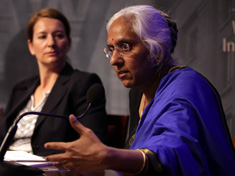 Governments and health organizations have made remarkable gains in reducing maternal mortality and morbidity rates around the world. Much of those gains have been driven by increasing capacity, directing more women to hospitals and clinics to ensure they get modern medical care. Increasingly, however, experts are realizing that this push has brought challenges of its own.
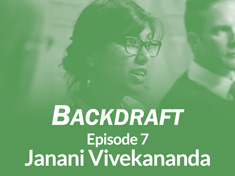 As more and more development and humanitarian programs contend with climate-related problems, there are important lessons learned from past experience that should not be forgotten, says Janani Vivekananda, formerly of International Alert and now with adelphi, in this week’s episode of “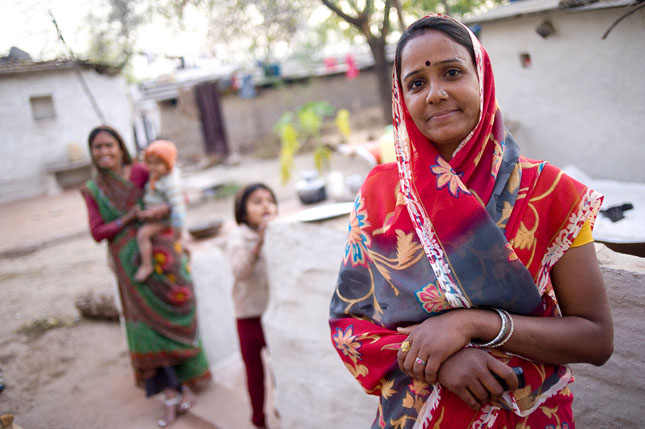
 “If we think sustainable development is the goal we want to achieve, we have to be radical in elevating those who have been traditionally excluded,” says Northwestern University’s Kimberly Marion Suiseeya in this week’s “Backdraft” episode. “We have to approach conservation and global environmental governance from the perspective of the invisible and the marginalized people.”

