-
Feeding the Future? One Year After the Global Food Security Act
›
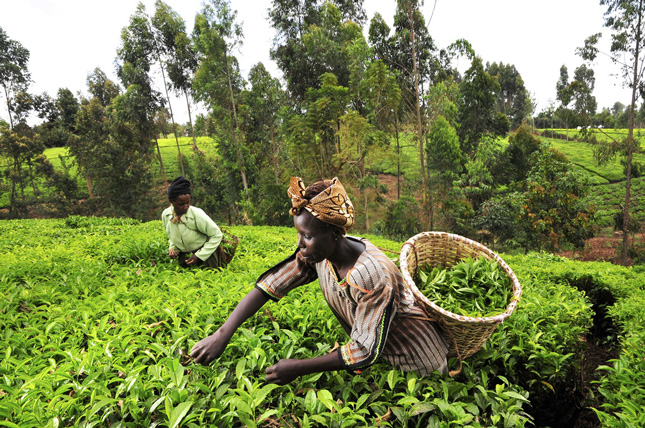
“The United States should maintain a unique leadership role in global food security,” said former Senator Richard Lugar at a recent Center for International & Strategic Studies event, “The U.S. Global Food Security Strategy: Progress, Setbacks, and Forward Momentum,” which marked the one-year anniversary of the passage of the Global Food Security Act. Signed into law on July 20, 2016, the act required the interagency Feed the Future initiative to develop the first-ever U.S. Global Food Security Strategy.
-
The Economic Costs of Child Marriage
›
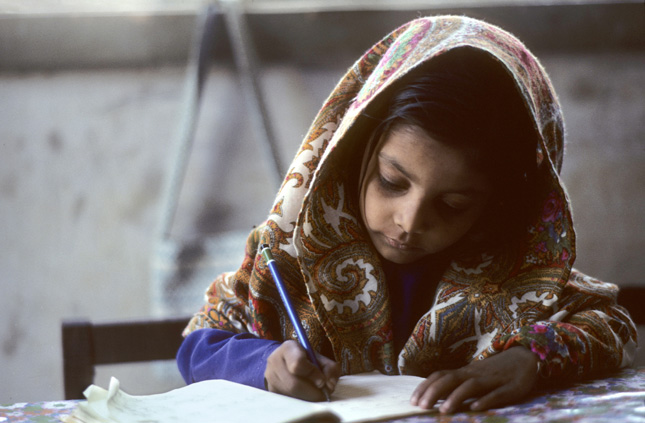
“It’s essentially an issue of a lack of viable alternatives,” said Quentin Wodon, lead economist for the World Bank’s Education Global Practice at a recent event on child marriage at the World Bank. “We have to create those alternatives.” Wodon co-presented the results of a new research study, “At What Cost? The Economic Impacts of Child Marriage,” by the World Bank Group and the International Center for Research on Women (ICRW).
-
In Lesotho, Population Pressures Have Created a Perfect Storm of Human Insecurity
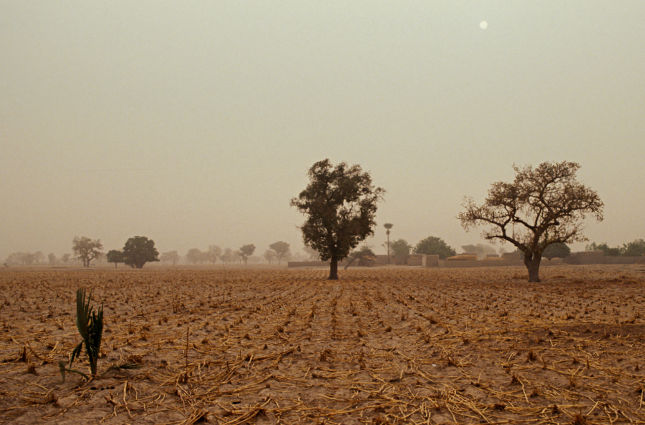
›Since declaring its independence in 1966, Lesotho has faced severe challenges to virtually every dimension of human security, writes Eugene Linden in a recent New York Times opinion article. In recent years, drought – coupled with widespread soil erosion and rapid population growth – has pushed a large portion of Lesotho’s two million people to the verge of starvation, which Linden calls “just one example of how fragile the future seems for Africa, large parts of which face the prospect of new famine and, in consequence, further catastrophic displacement within and among their growing populations.”
-
Sustainable Development Approaches to Youth and the Demographic Dividend
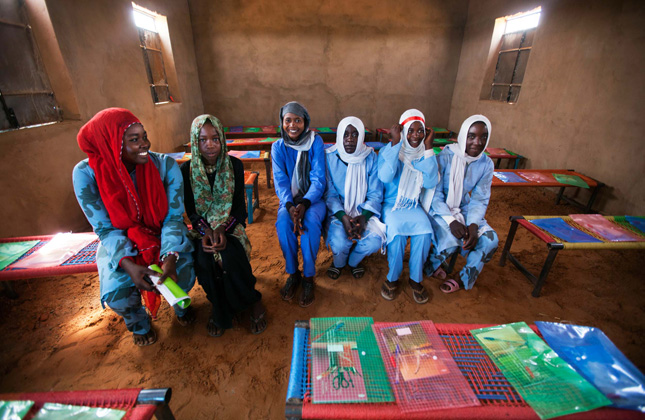
›“Investing in youth is a recipe for success,” said Elizabeth Dawes Gay, senior policy analyst at the Population Reference Bureau (PRB), during a webinar on June 22, 2017, organized by PRB’s PACE project on the connections between the population, health, environment (PHE) approach to international development, and achieving the demographic dividend.
-
Food Violence Shows Need for Both Development and Climate Resilience
›In March, the Trump Administration released a new budget proposal that would cut funding to the Department of State and U.S. Agency for International Development by 28 percent. The proposal also reduces funding to the United Nations for ongoing climate change efforts. At the same time, the White House is publicly considered withdrawing from the Paris Climate Accords, with a final decision anticipated any day. Critics both outside the administration and within have pointed to the drawbacks of these moves, but the sum of the policy changes could have an even greater impact than the individual parts.
-
Blair A. Ruble, Urban Sustainability Laboratory
Making Cities Work as Holistic Communities of Promise
›Shortly after the completion of the Empire State Building, the novelist F. Scott Fitzgerald was shattered by a visit to its observation deck. “Full of vaunting pride,” he wrote, “the New Yorker had climbed here, and seen with dismay what he had never suspected. That the city was not the endless succession of canyons that he had supposed, but that it had limits, fading out into the country on all sides into an expanse of green and blue. That alone was limitless. And with the awful realization that New York was a city after all and not a universe, the whole shining edifice that he had reared in his mind came crashing down.”
-
Risk, But Also Opportunity in Climate Fragility and Terror Link
›In a recent article for New Security Beat, Colin Walch made the case that the abandonment of some communities in Mali to deal with climate change on their own has created “fertile ground” for jihadist recruitment. In a similar argument, Katharina Nett and Lukas Rüttinger in a report for adelphi asserted last month that “large-scale environmental and climatic change contributes to creating an environment in which [non-state armed groups] can thrive and opens spaces that facilitate the pursuit of their strategies.”
-
Too Much, Too Soon: Addressing Over-Intervention in Maternity Care
›For years, the primary approach to improving global maternal health was additive – to increase capacity to address shortfalls in clinics, doctors, supplies, information, and skilled care. Today, however, some women are experiencing issues related to the opposite problem: too much.
Showing posts from category poverty.