• woodrow wilson center
  • ecsp

New Security Beat

Subscribe:
  • rss
  • mail-to
  • Who We Are
  • Topics
    • Population
    • Environment
    • Security
    • Health
    • Development
  • Columns
    • China Environment Forum
    • Choke Point
    • Dot-Mom
    • Friday Podcasts
    • Navigating the Poles
    • Reading Radar
  • Multimedia
    • Water Stories (Podcast Series)
    • Backdraft (Podcast Series)
    • Tracking the Energy Titans (Interactive)
  • Films
    • Water, Conflict, and Peacebuilding (Animated Short)
    • Paving the Way (Ethiopia)
    • Broken Landscape (India)
    • Scaling the Mountain (Nepal)
    • Healthy People, Healthy Environment (Tanzania)
  • Publications
  • Events
  • Contact Us

NewSecurityBeat

The blog of the Wilson Center's Environmental Change and Security Program
Showing posts from category oil.
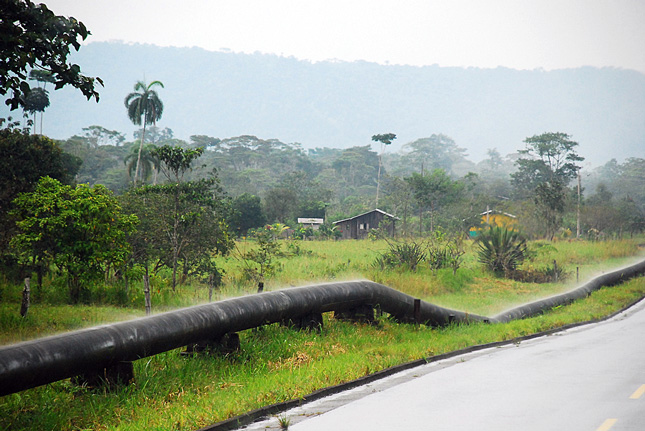
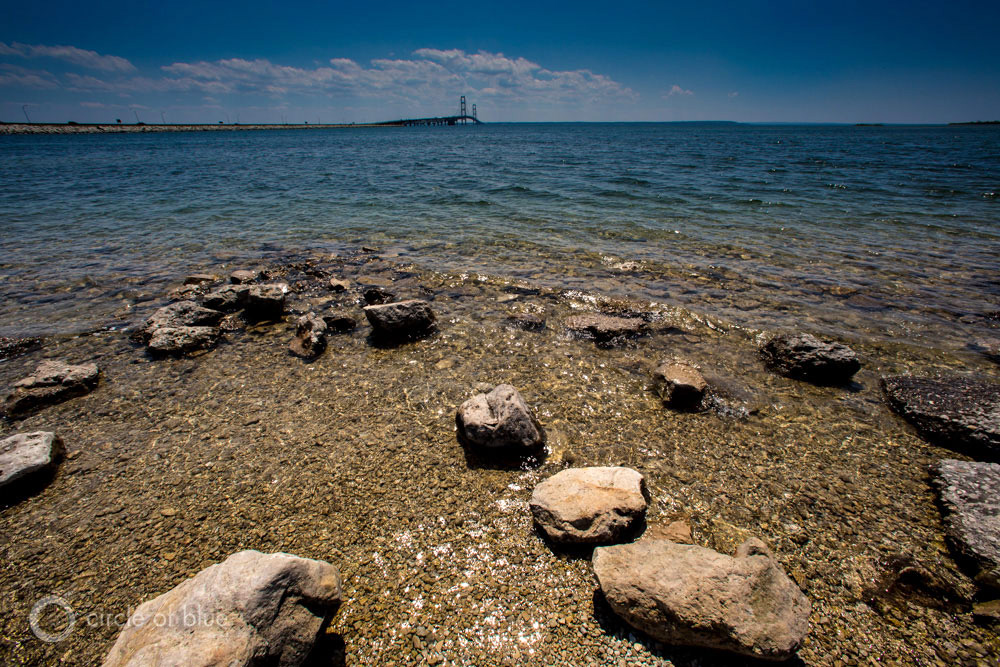
  • Backdraft: The Conflict Potential of Climate Change Adaptation and Mitigation (ECSP Report 14)

    ›
    From the Wilson Center  //  May 16, 2013  //  By Geoffrey D. Dabelko

    Excerpted below is the introduction to ECSP Report 14, Issue Two.

    Amid the growing number of reports warning that climate change could threaten national security, another potentially dangerous – but counterintuitive – dimension has been largely ignored. Could efforts to reduce our carbon footprint and lower our vulnerability to climate change inadvertently exacerbate existing conflicts – or create new ones?

    MORE
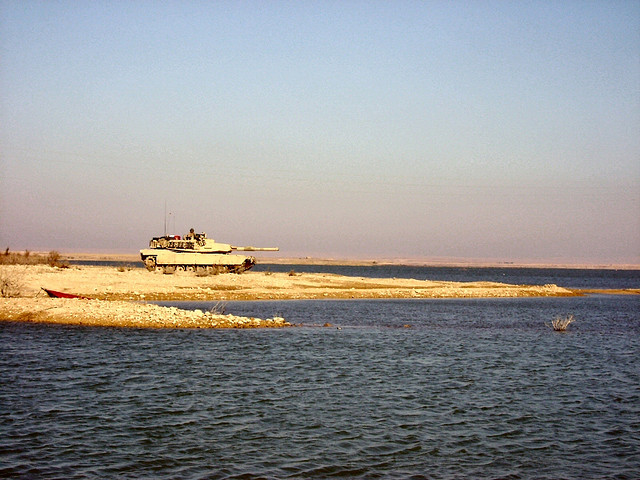
  • Petro-Aggression: When Oil Causes War

    ›
    From the Wilson Center  //  April 25, 2013  //  By Maria Prebble

    One year ago, the United States government froze all property of the Central Bank of Iran and other Iranian financial institutions within the United States. The move was part of a broader effort to compel the Islamic Republic to give up its alleged nuclear weapons program. How is it working out?

    MORE
  • Josh Wood, The New York Times

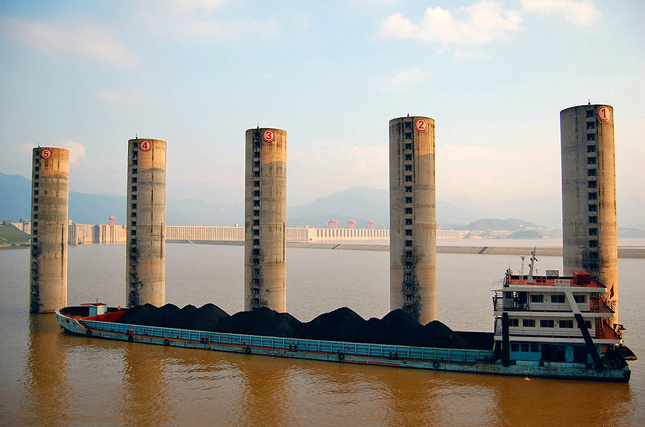
    Assad Regime, Rebels, and Kurds Vie for Control of Syria’s Oil

    ›
    April 23, 2013  //  By Wilson Center Staff

    The original version of this article, by Josh Wood, appeared on The New York Times.

    Once highly dependent on revenue from petroleum sales, the Syrian government has lost control of many of the country’s major oil fields over the past few months as Kurdish forces and the rebel Free Syrian Army have made significant gains in the east.

    MORE
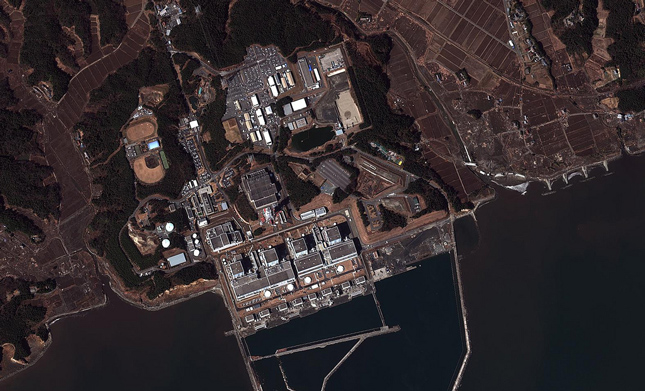
  • East Asia’s Many Maritime Disputes and the Imperative of Energy Access

    ›
    Eye On  //  March 19, 2013  //  By Schuyler Null

    Friction between Japan and China in the East China Sea has escalated this year to the point where jets on both sides have been scrambled and Chinese military vessels have locked their fire control radar onto their Japanese counterparts multiple times. The source of this tension is the Senkaku (as they are known in Japan) or Diaoyu (if you’re in China) Islands – specifically, who owns them.

    MORE
  • ‘Dialogue’ Interviews Caryle Murphy & John Sullivan: Saudi Arabia’s Demography & 2013’s Big Environment Stories

    ›
    From the Wilson Center  //  March 11, 2013  //  By Maria Prebble

    Dialogue at the Wilson Center tackled demography and the environment last week, interviewing Pulitzer Prize-winning journalist and former Wilson Center public policy scholar Caryle Murphy about her new book, A Kingdom’s Future: Saudi Arabia Through the Eyes of Its Twentysomethings, followed by John Sullivan, director of the Environment and Health and Safety News Division for Bloomberg BNA, on the most important energy and environmental issues of 2013.

    MORE
  • Avoiding the Resource Curse in East Africa’s Oil and Natural Gas Boom

    ›
    Guest Contributor  //  February 14, 2013  //  By Jill Shankleman

    This year, Texas-based Anadarko and Italian partner ENI are due to make the final investment decision on whether to construct one of the largest liquefied natural gas facilities in the world in Mozambique. The complex would allow them to tap into deep off-shore gas fields that could rival Australia and Qatar as the largest liquefied natural gas reserves in the world.

    MORE
  • Environmental Journalists Discuss the Year Ahead in Energy and Environment News

    ›
    From the Wilson Center  //  February 12, 2013  //  By Carolyn Lamere

    Environmental desks at newspapers around the world may be on the defensive, but the stories are only getting bigger. On January 25, six environmental journalists from Bloomberg, EnergyWire, Public Radio International, the Associated Press, and the Yale Forum on Climate Change and the Media gathered at the Wilson Center for a panel cosponsored by the Environmental Change and Security Program and the Society of Environmental Journalists to discuss what to watch for in the coming year, from President’s Obama’s mention of climate change in his inaugural address to the prospects of shale gas and the Keystone XL pipeline. [Video Below]

    MORE
  • When Does Oil Cause War? Petro-Aggression and Revolutionary Governments

    ›
    Guest Contributor  //  February 6, 2013  //  By Jeff Colgan

    One year ago, the United States government froze all property of the Central Bank of Iran and other Iranian financial institutions within the United States. The move was part of a broader effort to compel the Islamic Republic to give up its alleged nuclear weapons program. How is it working out?

    MORE
Newer Posts   Older Posts
View full site

Join the Conversation

  • RSS
  • subscribe
  • facebook
  • G+
  • twitter
  • iTunes
  • podomatic
  • youtube
Tweets by NewSecurityBeat

Trending Stories

  • unfccclogo1
  • Pop at COP: Population and Family Planning at the UN Climate Negotiations

Featured Media

Backdraft Podcast

play Backdraft
Podcasts

More »

What You're Saying

  • Volunteers,At,The,Lagos,Food,Bank,Initiative,Outreach,To,Ikotun, Pan-African Response to COVID-19: New Forms of Environmental Peacebuilding Emerge
    Rashida Salifu: Great piece 👍🏾 Africa as a continent has suffered this unfortunate pandemic.But it has also...
  • A desert road near Kuqa An Unholy Trinity: Xinjiang’s Unhealthy Relationship With Coal, Water, and the Quest for Development
    Ismail: It is more historically accurate to refer to Xinjiang as East Turkistan.
  • shutterstock_1779654803 Leverage COVID-19 Data Collection Networks for Environmental Peacebuilding
    Carsten Pran: Thanks for reading! It will be interesting to see how society adapts to droves of new information in...

What We’re Reading

  • Rising rates of food instability in Latin America threaten women and Venezuelan migrants
  • Treetop sensors help Indonesia eavesdrop on forests to cut logging
  • 'Seat at the table': Women's land rights seen as key to climate fight
  • A Surprise in Africa: Air Pollution Falls as Economies Rise
  • Himalayan glacier disaster highlights climate change risks
More »
  • woodrow
  • ecsp
  • RSS Feed
  • YouTube
  • Twitter
  • Facebook
  • Home
  • Who We Are
  • Publications
  • Events
  • Wilson Center
  • Contact Us
  • Print Friendly Page

© Copyright 2007-2021. Environmental Change and Security Program.

Woodrow Wilson International Center for Scholars. All rights reserved.

Developed by Vico Rock Media

Environmental Change and Security Program

Woodrow Wilson International Center for Scholars

Ronald Reagan Building and International Trade Center

  • One Woodrow Wilson Plaza
  • 1300 Pennsylvania Ave., NW
  • Washington, DC 20004-3027

T 202-691-4000