-
The Renewable Energy Era Has Already Started
›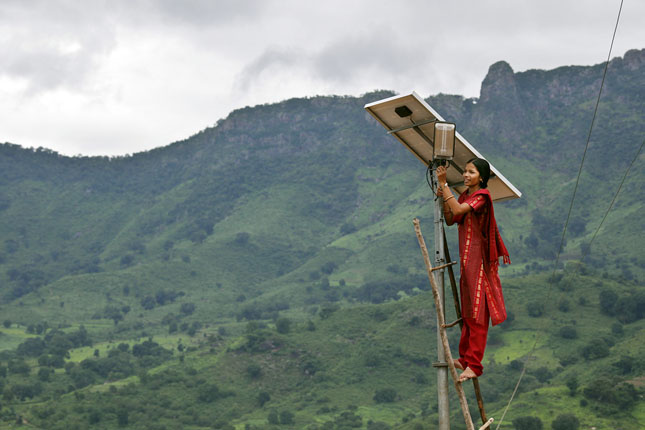
The world has entered a new energy era. Last year, for the first time in four decades, the global economy grew without an increase in CO2 emissions, according to the Renewable Energy Policy Network for the 21st Century.
-
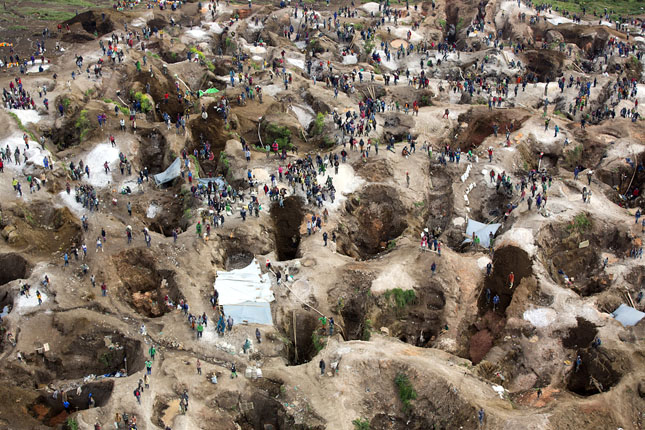
Migratory Labor for Extractive Industries Creating “Sons of Soil” Conflict in China
›In May 2011, two weeks before I was scheduled to start research in the region, a Mongol herder named Mergen was hit by a mining truck while protecting his pastureland in Xilingol, Inner Mongolia. He was dragged 140 feet and killed. His death sparked a month of protests.
-
Tracking the Energy Titans: Hidden Trends in the United States, China, and Canada [Infographic]
›
Back in high school physics we learned the first law of thermodynamics: Energy within a closed system must remain constant. In other words, the total amount of energy cannot increase or decrease without some sort of outside interference.
-
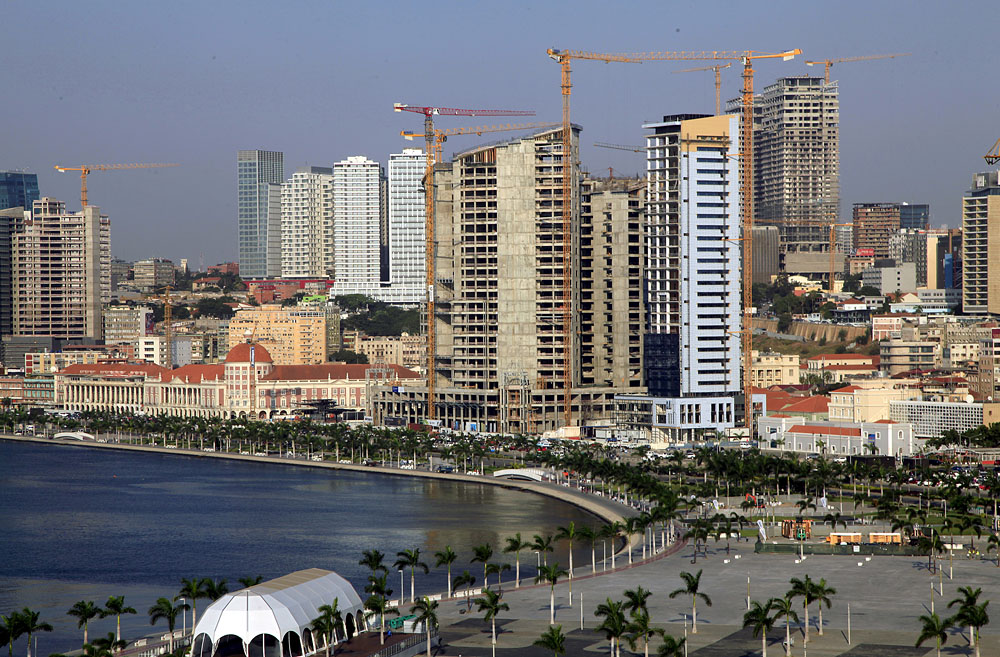
Angola’s Oil-Soaked Kleptocracy Is an Empire Built on Inequality
›August 26, 2015 // By Josh FengIsabel dos Santos, the daughter of Angolan President José Eduardo dos Santos and the richest woman in Africa, owes her wealth to the oil industry. Delfina Fernandes, a woman living in abject poverty in the village of Kibanga, uses gasoline as an anesthetic to dull the sheering pain of her rotting teeth.
-
Development in U.S. and Canadian Arctic Not Only About Oil and Gas, But Providing for People
›Opportunities for research, enterprise, and exploration in the Arctic are expanding as climate change renders the northernmost reaches of the globe more accessible – and visible – than ever before. Often overlooked, however, are the people who actually live there. Four million people make their home in the resource-rich Arctic, where developers and policymakers are staking growing claims. [Video Below]
-
Providing for the Periphery: Anthony Speca on Development for Canada’s Resource-Rich Nunavut
›Rich in natural resources, poor in nearly every human development indicator. The description applies to many of the most-conflict ridden states in the world, but also to a region often forgotten in global development circles: the Arctic North. -
In Search of Higher Returns: Can Extractive Industries Help Build Peace?
›August 3, 2015 // By Carley ChavaraIf you’re a government pondering the development of newly discovered natural resources, how do you avoid the so-called “resource curse” – the tendency of high value extractive resources, like oil, gas, or minerals, to, instead of prosperity, bring corruption, entrenched poverty, and even violence?
-
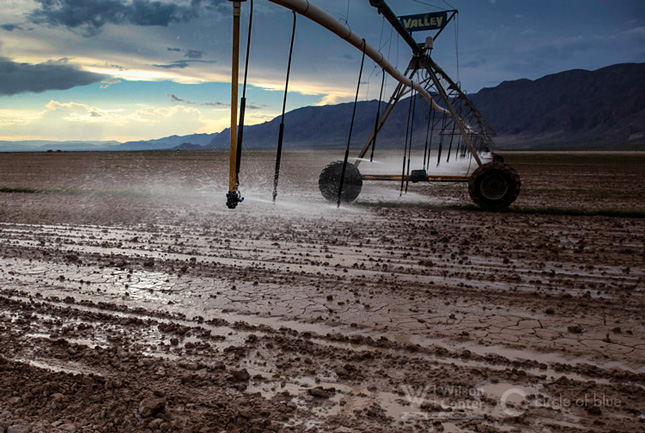
Water Scarcity Could Prevent Fracking From Spreading Into Northern Mexico
›Before world oil prices collapsed late last year, shop owners closest to the banks of the Rio Grande River in Piedras Negras joked that they could hear the groans of Texas drilling rigs advancing toward their fast-growing northern Mexico city.
Showing posts from category oil.

 Rich in natural resources, poor in nearly every human development indicator. The description applies to