-
“You Are Asking About Pollution?”: One Journalist’s Perspective on the Mid East’s Environmental Crisis
›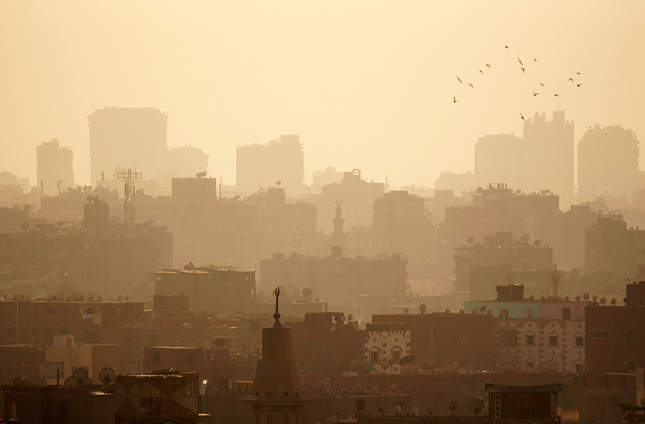
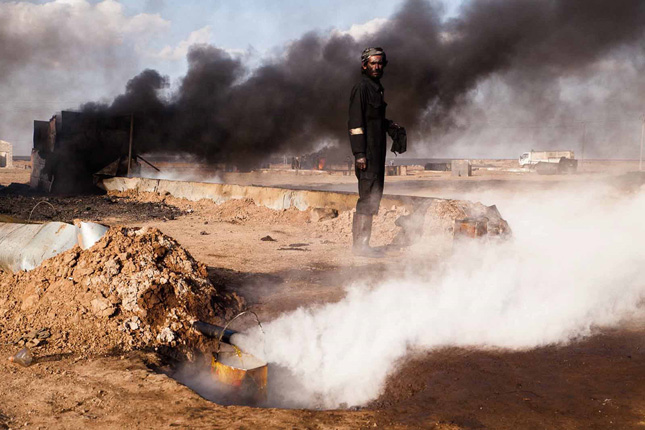
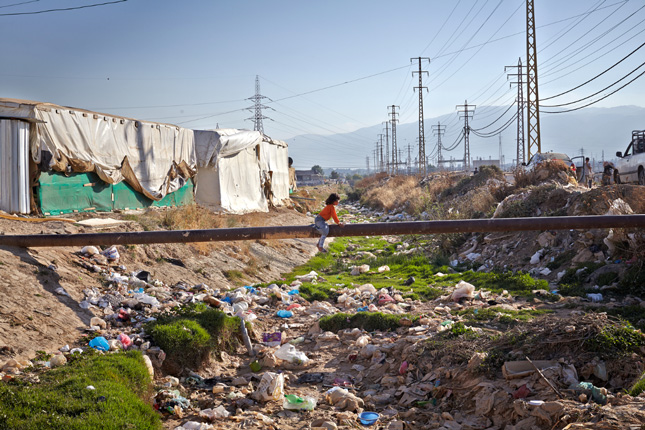
It was some point in May last year, shortly after ISIS surged into the city of Ramadi, and I was working on a story about Iraq’s fast-disappearing Mesopotamian Marshes. Keen to fact-check a few statistics with the Ministry of Water Resources and to hear the government line on the wetlands’ struggles, I dialed its Baghdad offices. After being passed from official to official like a hot potato, a young employee, Hussein, finally gave it to me straight. “No, no, we don’t have this sort of information,” he said, clearly impatient to get off the phone. “There are much more important things in Iraq right now.”
-
Chris Mooney, The Washington Post
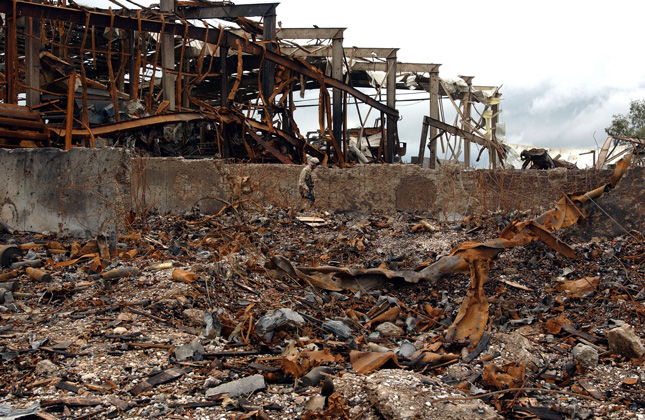
Mosul Battle Shows Link Between War and Environmental Degradation, Says UN Agency
›November 4, 2016 // By Wilson Center Staff
The United Nations Environment Program is highlighting the battle by Iraqi forces to reclaim Mosul from the Islamic State as the latest instance in the complex but very real linkage between military conflicts around the world and extreme environmental degradation.
-
UN Special Rapporteur Calls for Action on Toxic Remnants of War to Protect Children
›This month, Baskut Tuncak, the United Nations special rapporteur on human rights and toxics, presented the findings of his report on the effects of hazardous substances on the lives of children around the world to the 33rd session of the Human Rights Council. His conclusions were bold and brave for their implications on conflict: States should take responsibility for cleaning up the toxic remnants of war and providing medical aid to affected communities and individuals.
-
From Brown to Green: Three Scenarios for a Southeast Asian Regional Energy Grid
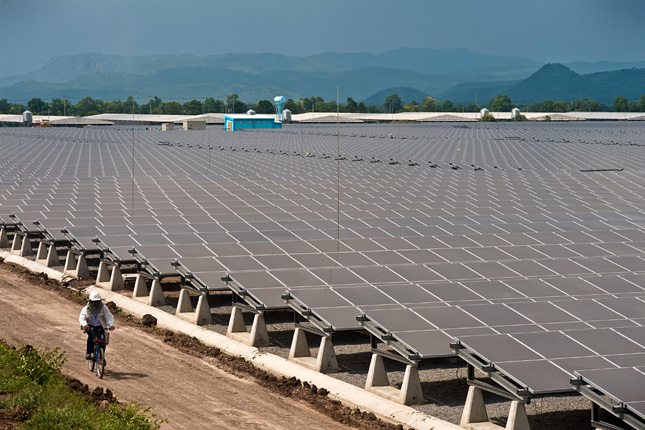
›Southeast Asia is one of the fastest growing energy markets in the world. Regional demand for energy may grow by as much as 80 percent and electricity demand more than triple by 2040. To keep up, governments are working to expand coordination across borders and create a broader regional energy grid (indeed their efforts predate their northern neighbors’ recent announcement of a “supergrid” by several decades).
-
Africa’s Regional Powers Are Key to Climate Negotiations – But Will They Cooperate?
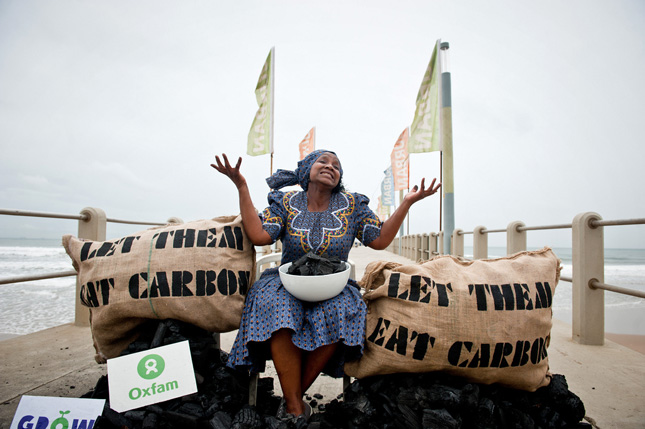
›Most African states are more vulnerable and less prepared to address climate change challenges than the rest of the world. This observation is supported by a wide variety of sources, including the Climate Vulnerability Index and the Notre Dame Global Adaptation Index. And in fact Africans and their political leaders frequently observe that this crisis, manufactured in the developed world, disproportionately affects their continent. During a meeting of the African Union in 2007, Ugandan President Yoweri Museveni called climate change “an act of aggression” by the rich against the poor.
-
Oil, Greed, and Grievances in the Middle East and North Africa
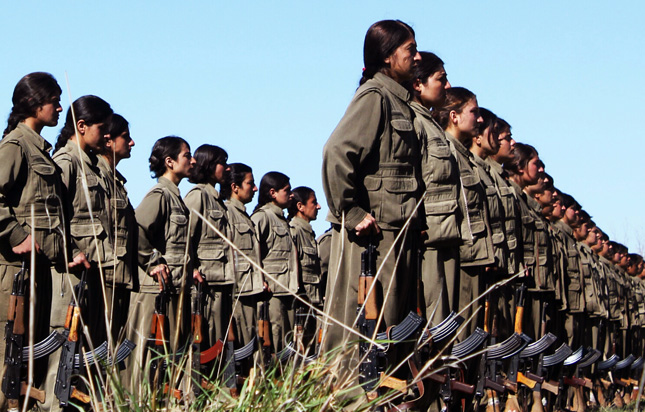
›Between 1961 and the U.S. invasion of Iraq in 2003, Iraqi Kurdistan’s quest for independence has led to the violent death of an estimated 180,000 people. At least 12 independent political groups represent the Kurdish minority in the north of the country. These groups have pursued wildly different strategies to reach their goals, some orchestrating terrorist attacks or larger-scale violence, others choosing education and propaganda campaigns, the provision of social services to gain popular support, and demonstrations.
-
Why Do Land Grabs Happen? Because They Can
›May 9, 2016 // By Michael KugelmanIn January, over the objections of indigenous groups that live there, the government of Ecuador sold oil exploration rights to 500,000 acres of the Amazon to a consortium of Chinese companies. Whenever we hear about stories like this, there is a tendency to think: How can this happen? How can obscenely rich investors run roughshod over the land, livelihoods, and rights of impoverished local communities, and with utterly no consequences?
-
Behind the Headlines, Emerging Security Threats in the Middle East
›The Middle East, as much as ever, is the focus of international attention, but the obvious crises may be a distraction from deeper underlying issues.
Showing posts from category oil.