

-
From Chicago to India, Journalist Tracks Long-Lasting Effects of Childhood Malnutrition in ‘First 1,000 Days’
›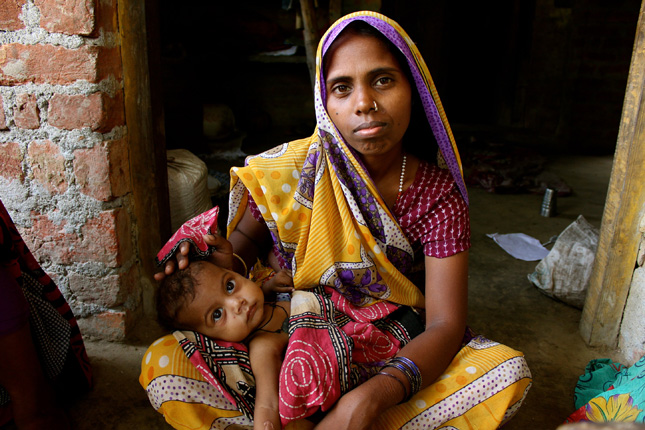
After more than a decade studying the wide-ranging effects of poor nutrition on children, former Wall Street Journal reporter Roger Thurow is outraged. Now he wants to inspire action.
-
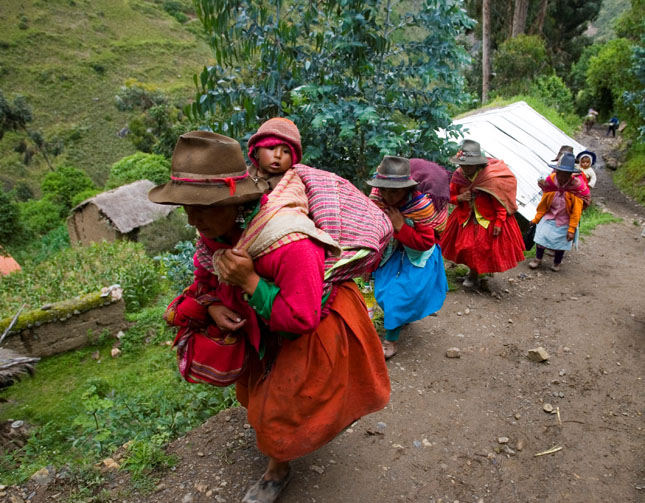
Hunger in Shangri-La: Causes and Consequences of Food Insecurity in the World’s Mountains
›
Over the past decade, the number of undernourished people around the world has declined by around 167 million, to just under 800 million people. However, this positive trend glosses over a stark reality: Food insecurity is increasing in the world’s mountains. This pattern has been under-recognized by development experts and governments, a dangerous oversight with far-reaching social and environmental repercussions.
-
Lisa Palmer, Yale Environment 360
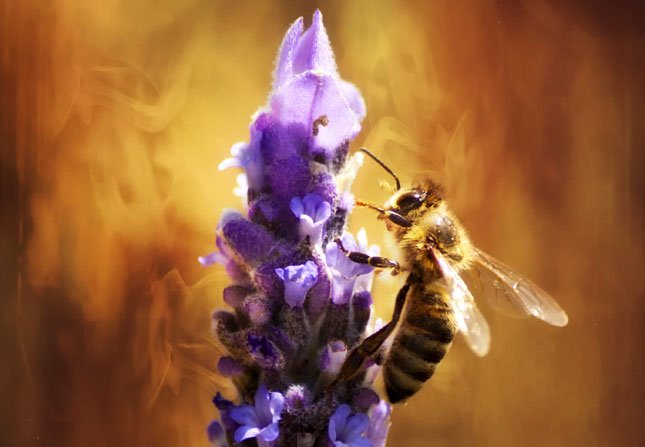
New Explanation for Bee Die-Offs and What It Means for Human and Environmental Health
›May 12, 2016 // By Wilson Center StaffSpecimens of goldenrod sewn into archival paper folders are stacked floor to ceiling inside metal cabinets at the Smithsonian National Museum of Natural History. The collection, housed in the herbarium, dates back to 1842 and is among five million historical records of plants from around the world cataloged there. Researchers turned to this collection of goldenrod – a widely distributed perennial plant that blooms across North America from summer to late fall – to study concentrations of protein in goldenrod pollen because it is a key late-season food source for bees.
-
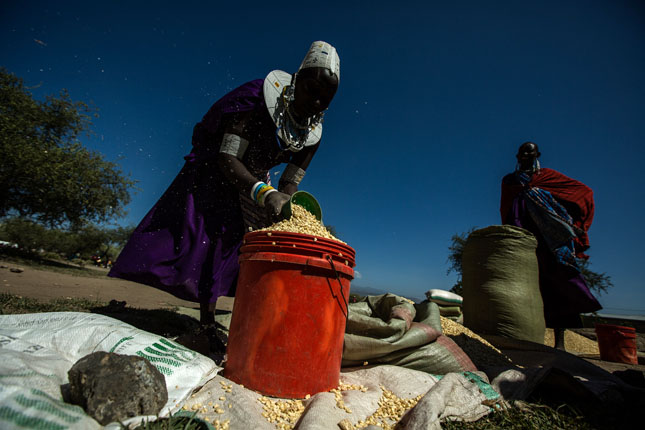
Feeding the Future? A Closer Look at U.S. Agricultural Assistance in Tanzania
›May 11, 2016 // By Haodan "Heather" ChenBetween 2010 and 2015, Tanzania received more than $320 million in assistance via the U.S. government’s Feed the Future Initiative – the most of any country. But despite these commitments and an average of six to seven percent annual economic growth since 2000, Tanzania did not meet the first Millennium Development Goal: to reduce hunger and extreme poverty by half by the end of 2015.
-
Joan Whelan on a New Strategy at the Office of Food for Peace: Address Conflict
›Since its inception more than 60 years ago, USAID’s Office of Food for Peace has provided critical food assistance to billions of people around the world. Yet, despite its name, the office lacked a strategy to address the effects of conflict on its work. -
Food Security Goals Linked to Expanding Access to Family Planning, Says PRB Report
›Food security and proper nutrition are essential elements for the good health and wellbeing of individuals and communities. Proper nutrition increases productivity and subsequently helps lift families out of poverty. However, an estimated 800 million people are chronically malnourished across the world. Globally, more than 3 million children die each year due to illnesses caused by malnutrition.
-
Pakistan’s Maternal and Child Health Problems “Huge Stumbling Block” to Development, Long-Term Security
›In the long term, improving maternal and child health is as critical to national security as any problem in Pakistan today, said a panel of experts including Minister of National Health Services Saira Afzal Tarar at the Wilson Center on September 9.
-
Sally Edwards on Health and Climate Change in the Caribbean: “It’s a Very Complex Web”
›“The relationship between human health…and environmental changes is extremely complex,” says Sally Edwards, advisor for sustainable development and environmental health of the Pan-American Health Organization/World Health Organization office for the eastern Caribbean countries, in this week’s podcast.
Showing posts from category nutrition.
 Since its inception more than 60 years ago, USAID’s
  “The relationship between human health…and environmental changes is extremely complex,” says Sally Edwards, advisor for sustainable development and environmental health of the

