-
Midwives in Humanitarian Settings: Realities of Strengthening an Essential Health Workforce
›
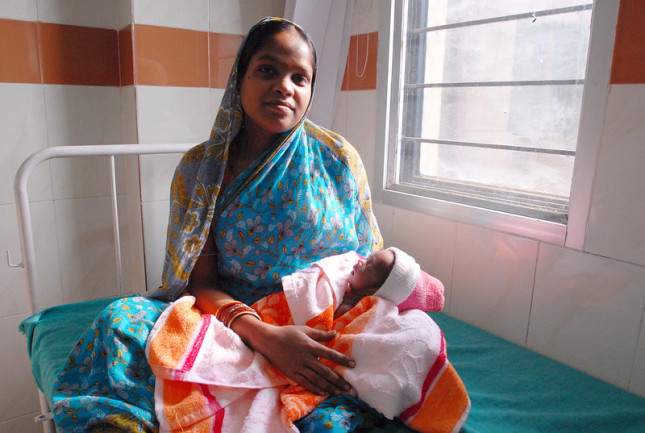
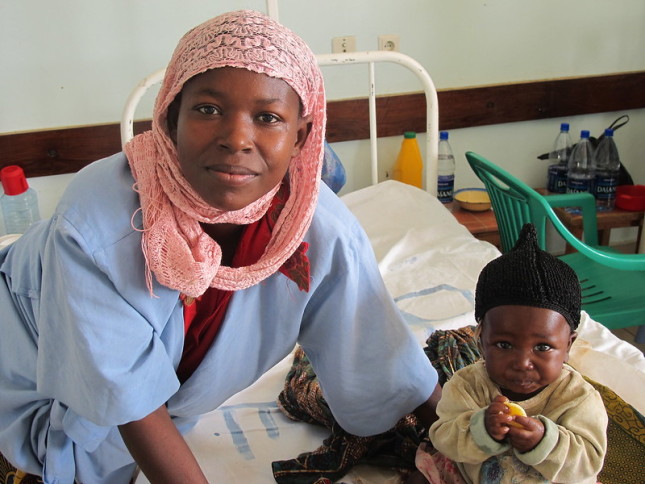
One in every 23 people is expected to need humanitarian assistance in 2023. That is a record 339 million this year alone. During such humanitarian crises, the needs of women, newborns and adolescents are often unmet, with devastating consequences. In fact, in 2023, 58 percent of global maternal deaths, 50 percent of newborn deaths, and 51 percent of stillbirths worldwide occur in the 29 countries with a UN humanitarian response plan or regional response plan.
-
New Global Health & Gender Policy Brief: The Global Burden of Stillbirths
›
In 2021, 1.9 million stillbirths occurred globally. A baby who dies at or after 28 weeks of pregnancy,* and is born with no sign of life is classified as a stillbirth. Stillbirths can be caused by pregnancy and childbirth-related complications, like hemorrhage, placental abruption, and pre-eclampsia; maternal infections during pregnancy, including malaria and sexually transmitted infections; prolonged pregnancy to 42 weeks or more; and pre-existing health conditions. Other risk factors include maternal age and smoking during pregnancy.
-
Midwives Lead the Way: The 5th Global Midwifery Symposium
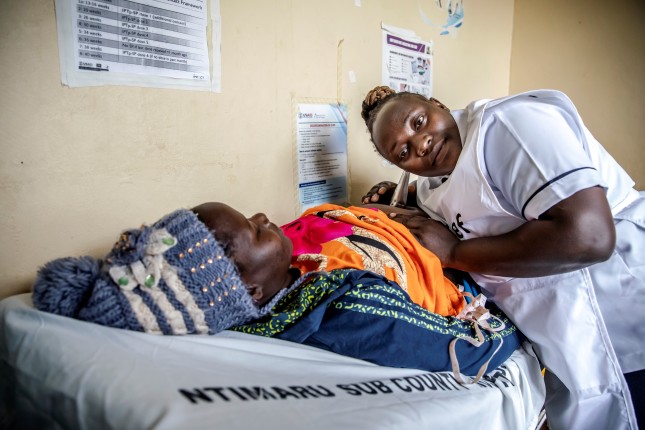
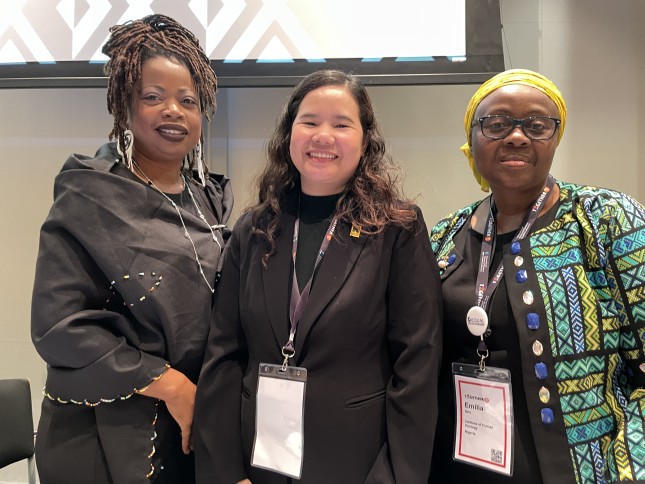
›Midwives play a central role in maternal and newborn health. So, it is fitting that their efforts took the spotlight at a two-day event – The 5th Global Midwifery Symposium – held during the first ever International Maternal and Newborn Health Conference (IMNHC) in May 2023 in Cape Town, South Africa.
-
Delivering Dignity: The Importance of Respectful Maternity Care
›Women who are treated with respect and dignity during childbirth are more likely to have positive birth experiences, feel empowered to make informed decisions about their care, and have better health outcomes for themselves and their newborns.
-
Sustaining PEPFAR’s Success through Integration, Equity, and Inclusion
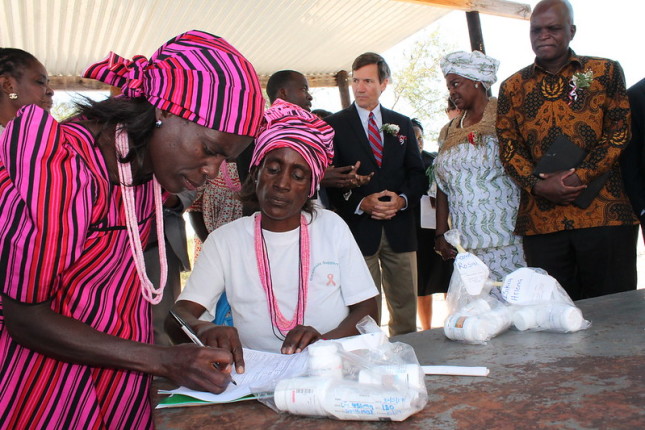
›It has been two decades since President George W. Bush launched the U.S. President’s Emergency Plan for AIDS Relief – or PEPFAR, and a recent Wilson Center event to celebrate the anniversary demonstrated that its impact as one of the most successful global public health programs is indisputable. Since its inception, PEPFAR has invested more than $100 billion in the global fight against HIV and AIDS, resulting in more than 25 million lives saved and millions of new infections prevented.
-
Healthy Women, Healthy Economies: Translating Evidence to Impact
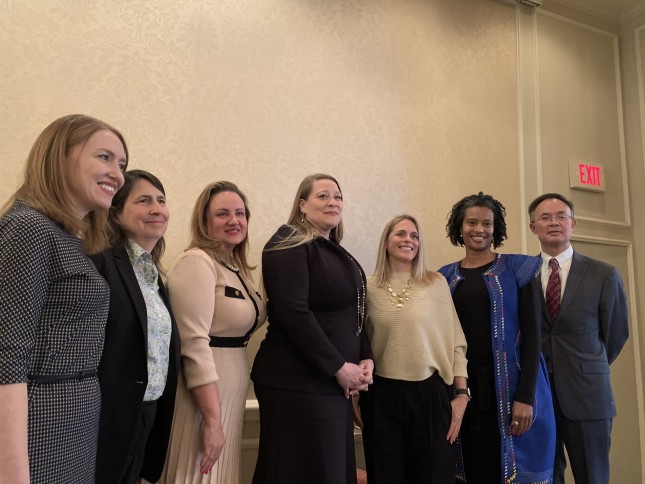
›“Women’s economic participation promotes economic growth and security. It’s good for the women involved. It’s good for the girls who dream of following in their footsteps,” said Ambassador Mark Green, President and CEO of the Wilson Center at a recent Women’s History Month private event in Washington, DC hosted by the Wilson Center and EMD Serono, the healthcare business of Merck KGaA, Darmstadt, Germany.
-
Lancet Series Launch: Breastfeeding and the Fight Against Formula Marketing
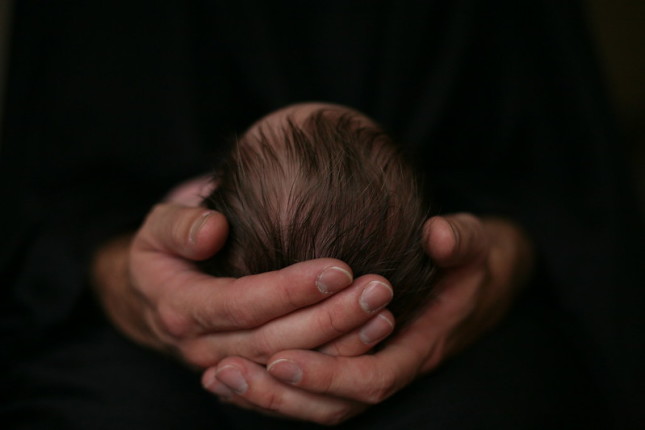
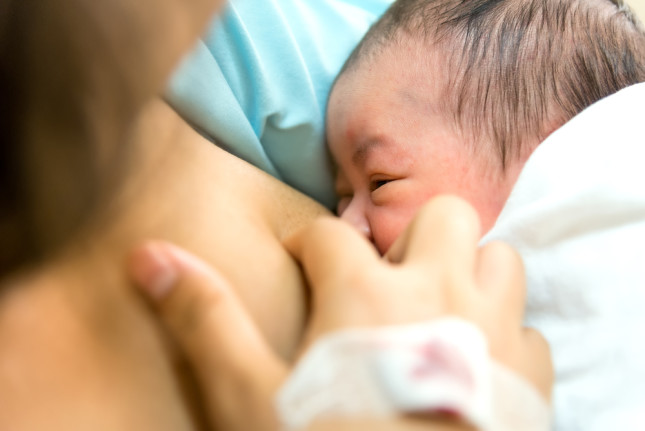
›“Too many children are dying in the first month of life,” said Richard Horton, Editor-in-Chief of The Lancet at a recent launch event for the 2023 Lancet Series on Breastfeeding, hosted by The Royal Society of Medicine, London. Indeed, the global numbers are staggering. Horton observed that 2.3 million children died in the first month of life in 2021—that’s more than 6,000 newborns dying every single day.
-
Top 5 Dot-Mom Guest Contributor Posts in 2022
›In 2022, the Dot-Mom column published several pieces from expert guest authors from the greater maternal and reproductive health community. In our top read guest contributor piece of the year, Susie Jolly examined the role of colonialism in sexuality education globally. Jolly highlighted examples where sexual health knowledge is built on unethical medical research carried out on racialized people, such as the study of untreated syphilis among Black men in the United States. Sexuality educators, especially those placed in the Global North, have a responsibility to work to decolonize their work. Jolly suggests supporting resources led by marginalized people, critically examining colonialism’s influence in the understanding of sexuality, and shifting the dynamics of who decides on content to lend more weight to non-Western expertise and young people learning from their own experiences.
Showing posts from category newborn and child health.