-
Under Modi, India’s Climate Goals Tied to Clean Energy Development
›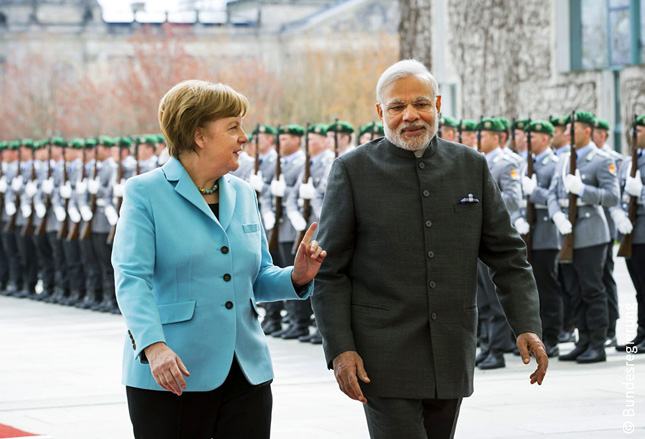
India occupies a precarious position in the global climate change order. It trails only China, the United States, and the European Union in total emissions, but per capita emissions are far lower. India’s Prime Minister Narendra Modi won the 2014 elections on a strong pro-development platform and continues to wave this flag at all levels, making energy security a major priority and pledging to expand the country’s coal mining industry. But he also insists he will work with the international community on mitigating climate change. During a recent visit to France, Germany, and Canada, he declared, “India will set the agenda for the upcoming Conference of Parties” in Paris this fall.
-
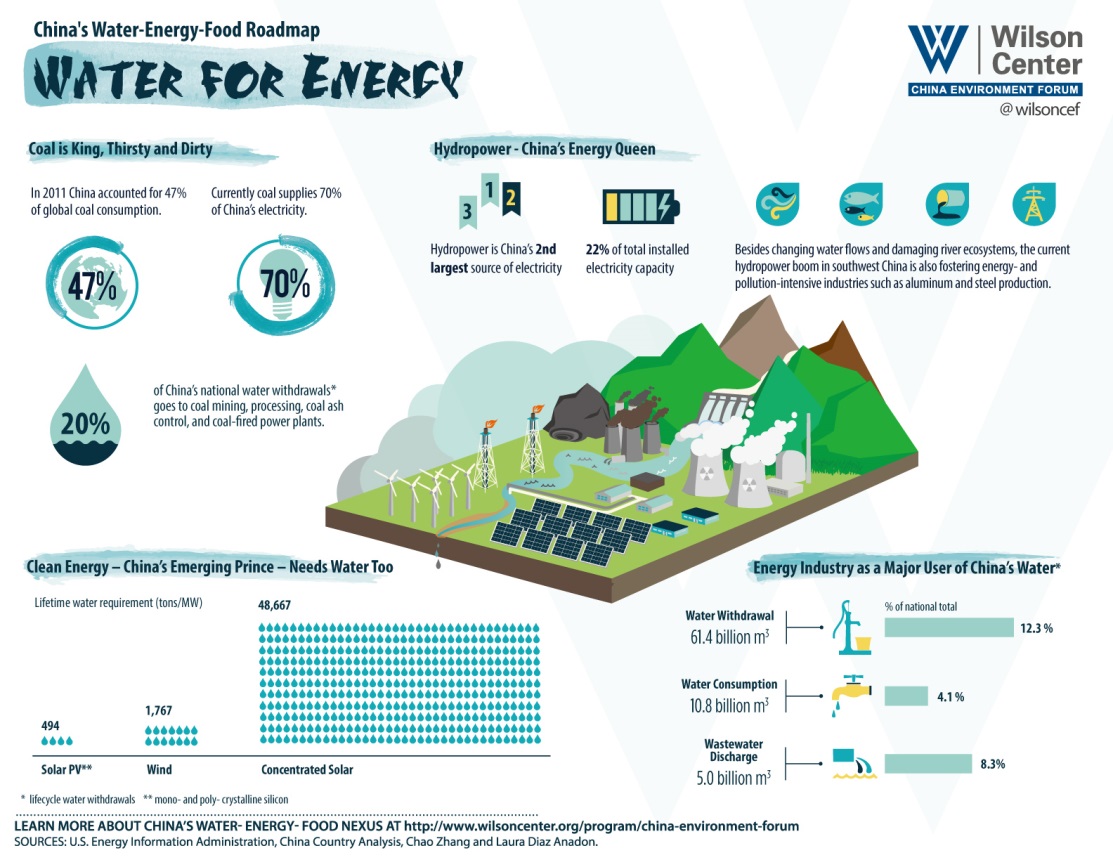
Illustrating China’s Water-Energy-Food Choke Points [Infographics]
›
Last month, the China Environment Forum released a new Global Choke Point report, China’s Water-Energy-Food Roadmap. To date, we believe this is the most comprehensive report on China’s interlinked natural resource insecurities – dwindling water resources in the face of growing energy use and increasing food demand.
-
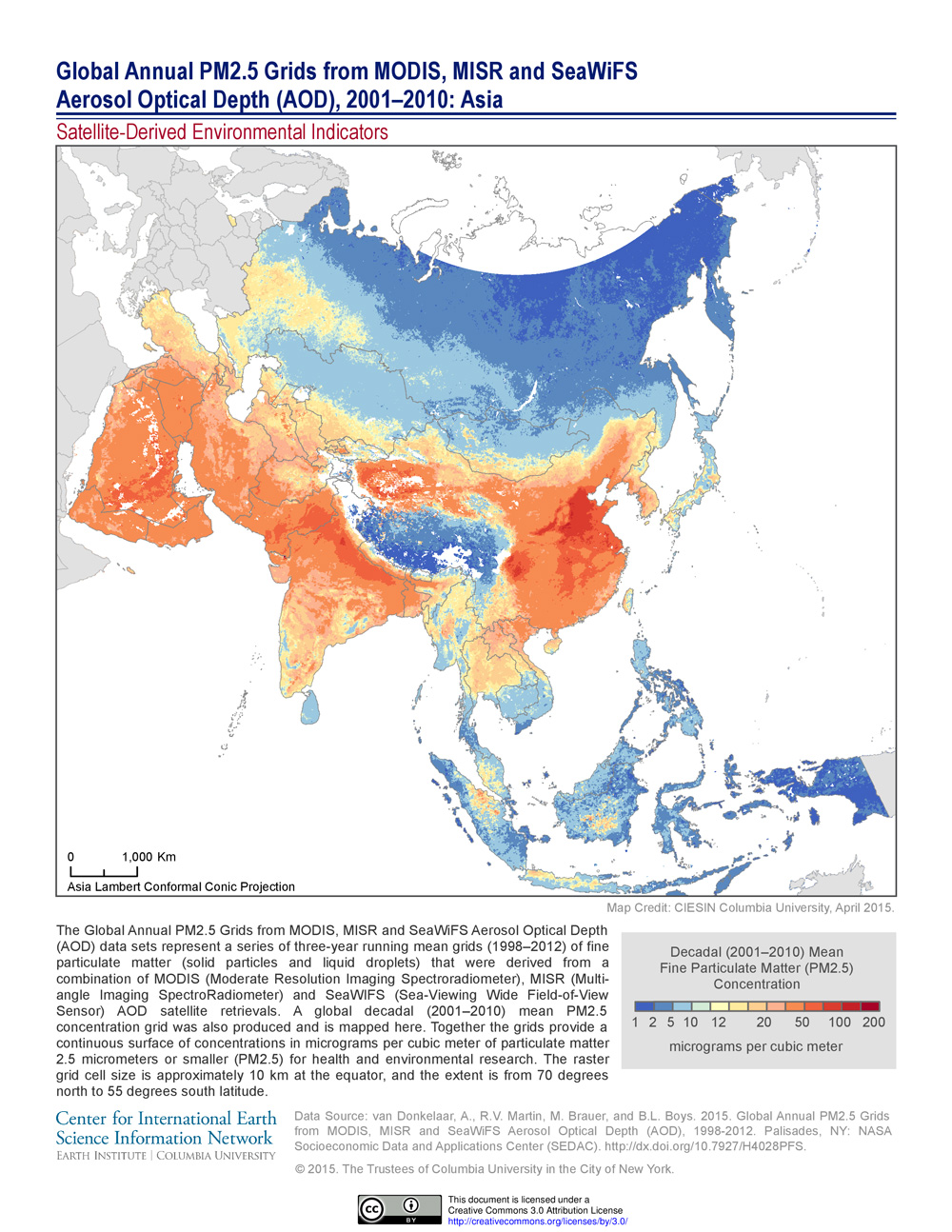
Measuring the SDGs: Investments in Mapping, Geospatial Data Collection Critical to Success
›To ensure no one is left behind by the next generation of global development goals, a comprehensive mix of robust data is needed to measure progress and guide investments. A recent report coordinated by the Sustainable Development Solutions Network estimates the world will need to spend roughly $1 billion a year to sustain and enhance the statistical systems supporting and evaluating progress towards the Sustainable Development Goals (SDGs), the successors to the Millennium Development Goals expected to guide the development agenda for the next 15 years.
-
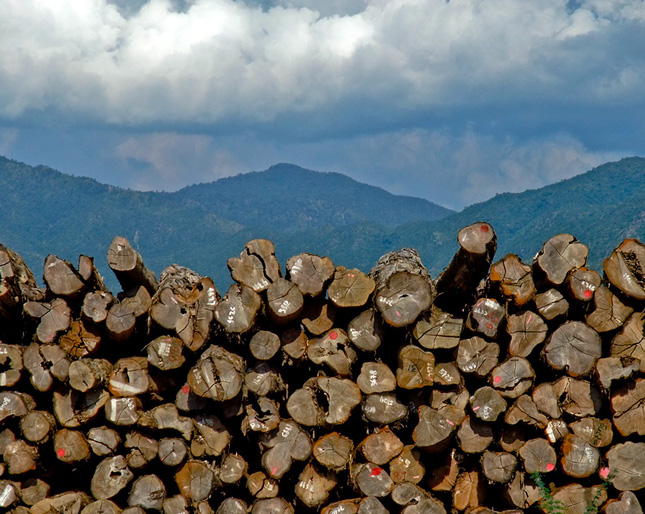
Blood Teak: Changing the Calculus of Myanmar’s Ethnic Conflicts
›On March 30, the government of Myanmar and an umbrella group of 16 ethnic minority groups agreed to a draft agreement for a “nationwide ceasefire” to end decades of conflict in the country’s northern reaches. But even as the latest ceasefire was being made, two armed groups, the Myanmar National Democratic Alliance Army (MNDAA) and the Kachin Independence Army (KIA), were in open conflict with the Burmese military. Fighting in Kokang and Kachin has led to casualties in the triple digits and displaced an estimated 100,000 civilians.
-
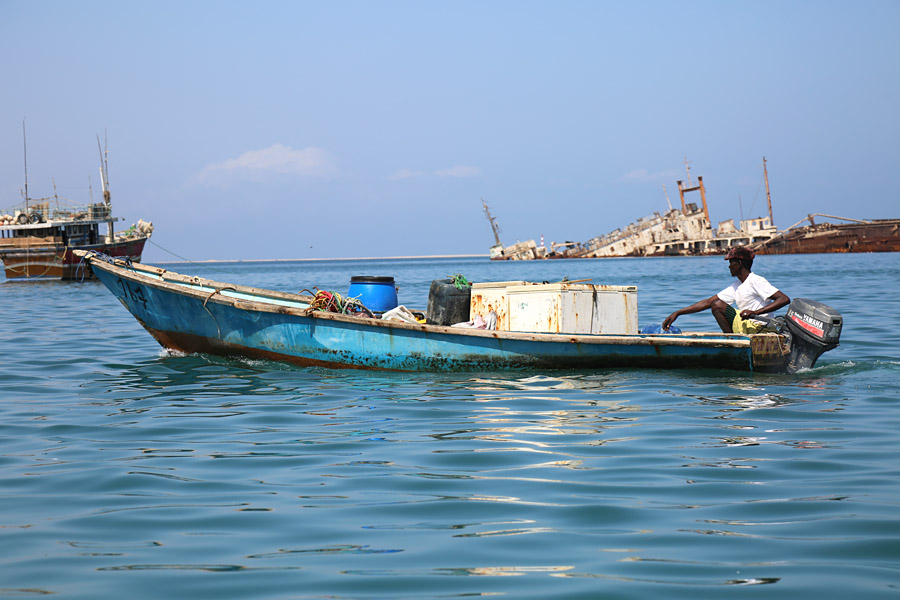
Blockade of Yemeni Ports Has Unintended Consequences on Food Security, Somali Fishing Industry
›Hundreds of Yemenis have been killed since Houthi rebels overthrew President Abdu Rabu Mansour Hadi at the beginning of April. The instability next door has led Saudi Arabia to intervene with a bombing campaign and, most recently, impose a blockade of Yemen’s port cities to cut off what they claim is Iranian resupply of rebels. Besides blocking weapons though, the blockade is also having a major impact on food security and food assistance, and is even affecting livelihoods in Somalia.
-
A Call for More Intention, Consistency, and Foresight in an Interconnected World
›April 22, 2015 // By Roger-Mark De SouzaGlobal trends, from climate change and population dynamics to food, water, and energy scarcity, threaten to complicate global security, diplomatic efforts, and development policy. In the United States we are increasingly responding to these trends, rather than anticipating and planning for them.
-
Wilson Center and USAID Launch “Resilience for Peace Project”
›As “resilience” builds as a theme for the development community, a few key concepts are rising to the top of the conversation. [Video Below]
-
What’s in a Name? States of Fragility and Adjusting Aid to Conflict Zones
›April 13, 2015 // By Lauren Herzer RisiDepending on how closely you pay attention to the OECD, you may have picked up on a subtle but meaningful change in this year’s States of Fragility report. Whereas previous reports were titled Fragile States, the Organization for Economic Cooperation and Development has shifted its framing to focus less on states and more on conditions, less on the binary status of a “fragile state” and more on fragility as a universal condition that can impede development in all countries.
Showing posts from category natural resources.