-
In Tanzania, Empowering Communities to Address Population, Health, and Environment Issues Together
›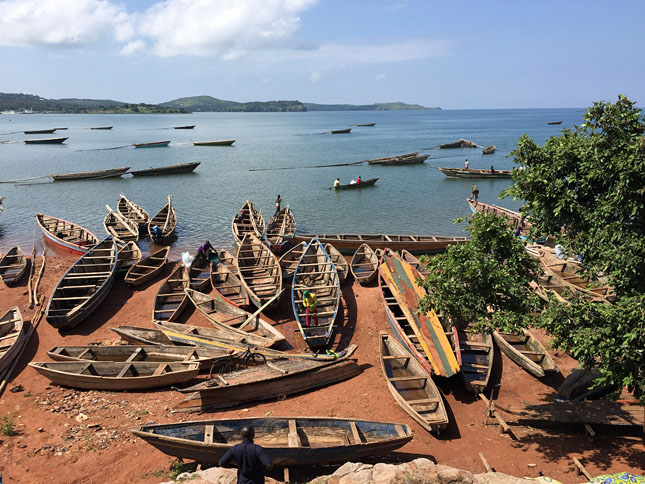
Africa has its share of challenges, but it also leads the way in creative development responses. Take the Lake Tanganyika area in Tanzania. Daily life is hard. There are few roads. Cellphone service is patchy. You must travel by boat for seven hours to reach the nearest hospital. And if you have an obstetric emergency, there is no doctor in the village to help you.
-
Leslie Rose, Global Waters
Incubating Innovation: Solutions for a Parched Earth
›March 24, 2016 // By Wilson Center Staff
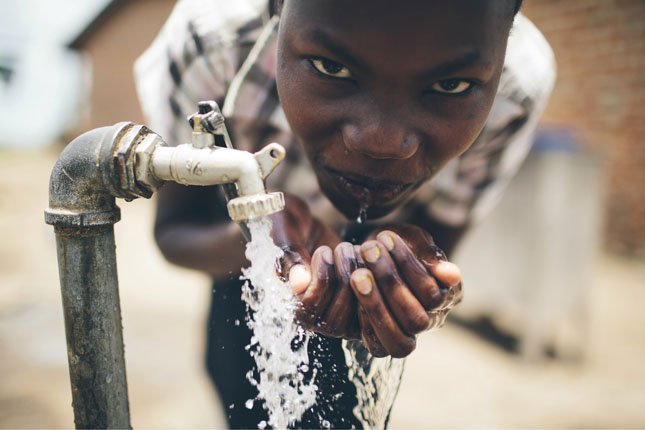
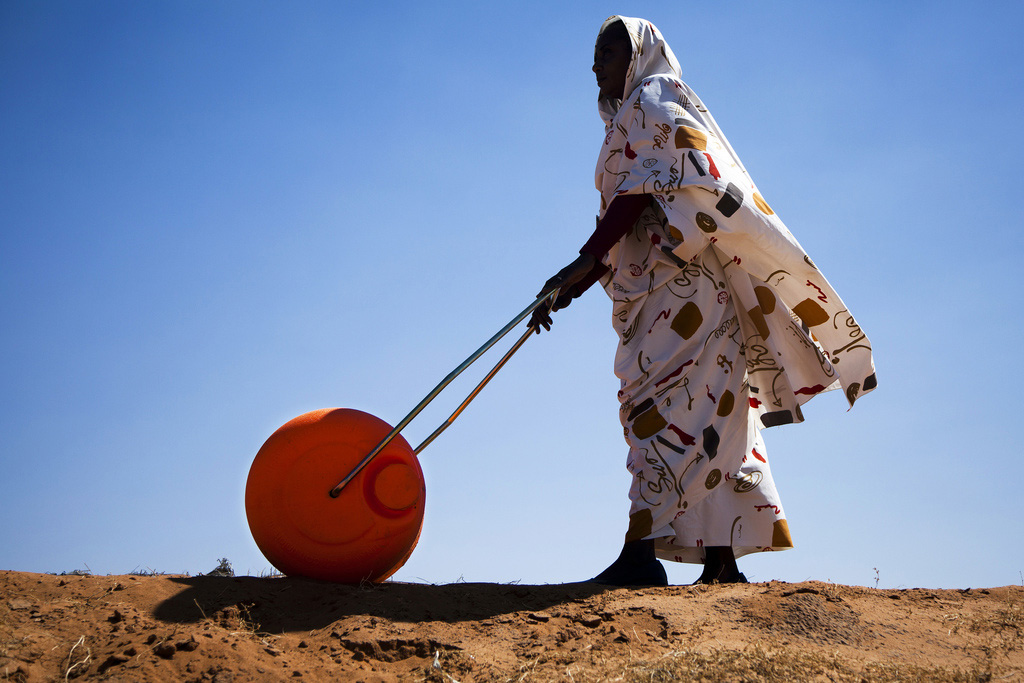
Massive droughts and water demands from a world population projected to grow to 9 billion by 2050, translate to food insecurity and lack of water for agriculture. Securing Water for Food sources and invests in a portfolio of innovative solutions that help farmers use water more efficiently and effectively; improve water storage for lean times; and remove salt from water to make more food.
-
Creating a Water Ready World
›March 22, 2016 // By Sherri GoodmanSitting at my desk looking at bills to be paid, the first one on the stack is for the water company, emblazoned with the phrase, “Water is Life.” Yes, we all know that. But really, as my teenagers would say, “Duh, Mom. So what?”
Well, here’s the “so what” on this World Water Day 2016.
-
Global Stories From the Nexus of Gender and Climate Change Vulnerability
›March 21, 2016 // By Gracie CookDeveloping countries are in a pitched fight against the effects of climate change, and women, playing prominent roles in agriculture and household resource collection, are “at the front lines in the battle,” writes UN Framework Convention on Climate Change Executive Secretary Christiana Figueres, in a new report.
-
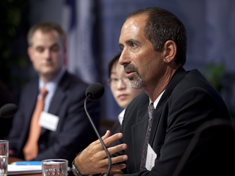
Jon Unruh on Darfur and the Importance of Flexible Institutions for Managing Migration Conflict
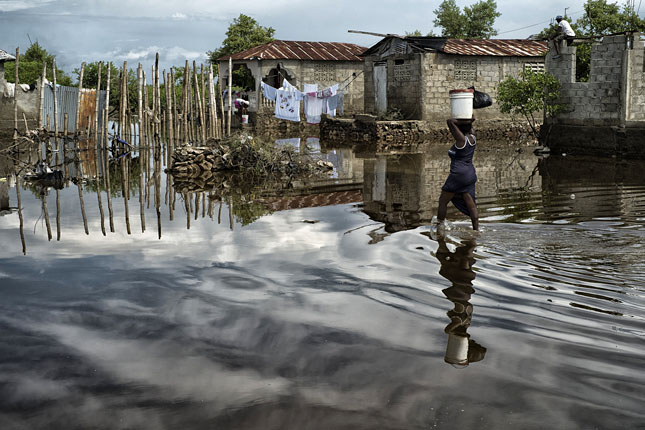
›When it comes to environmental change, “policies and laws can have a very productive contribution toward positive adaptation, or they can subvert that and constrain options,” says Jon Unruh, associate professor of human geography and international development at McGill University, in this week’s podcast. -
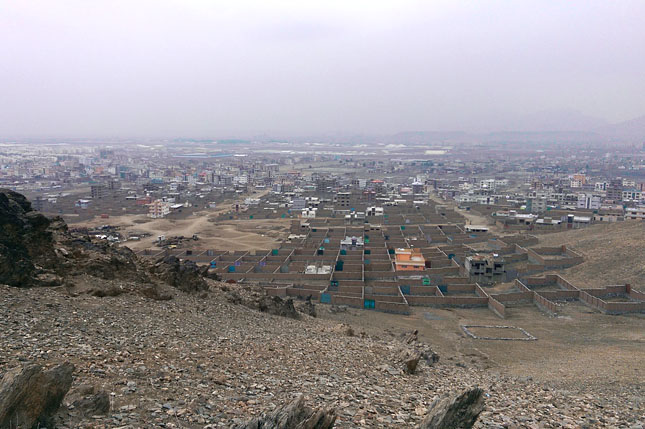
Kabul Greenbelt Project Aims to Restore Some Luster to War-Ravaged Capital – and Resilience Too
›It’s hard to imagine today, but Kabul was once ringed with grassy areas and shrubs, a few trees in areas too. Some of my husband’s favorite recollections of early 1970s Afghanistan are of simple family picnics in picturesque parks. Hours of lounging, grilling kebab, preparing rice, and conversing were a respite from the oppressive heat of the capital. Sometimes a picnic would become an all-night, extended family gathering. The Gardens of Paghman were a favorite destination with rows of pine trees, roses, and cool fountains. Pre-war family photos reveal neatly trimmed trees, bushes, and ample grassy areas for impromptu games. The family picnic is still popular among the Afghan diaspora. In the United States, Afghan community events are often held in parks, and involve large, multi-family picnics.
-
Peace in Colombia Doesn’t Necessarily Mean the Revival of Oil
›It appears increasingly certain that the Colombian government will sign a peace agreement with the guerrillas of the Revolutionary Armed Forces of Colombia (FARC) in 2016. The oil and gas industry is widely expected to be among the sectors to most benefit from the end of 50 years of armed conflict. But a new report commissioned by the Latin American Program has identified several challenges to that optimistic view.
-
An Update on Kenya’s Dwindling Lake Turkana as Ethiopian Dam Begins Operation
›A four-part video series produced by the Kenya Broadcasting Corporation (KBC) and supported by the Fund for Investigative Journalism gives an update on the beleaguered communities of Lake Turkana, the world’s largest desert lake that supplies vital ecosystem services and livelihoods to 300,000 people in northwestern Kenya. The lake is fed entirely by the Omo River, flowing south from Ethiopia, but a newly completed upstream dam has raised questions about the future.
Showing posts from category natural resources.
 When it comes to environmental change, “policies and laws can have a very productive contribution toward positive adaptation, or they can subvert that and constrain options,” says Jon Unruh, associate professor of human geography and international development at McGill University, in this week’s podcast.