-
When Climate Change Exacerbates Conflict, Women Pay the Price, Says Mayesha Alam
› Climate change has the potential to exacerbate conflict and political instability, and women will pay a steeper price than their male counterparts when it does, says Mayesha Alam, associate director of the Georgetown Institute for Women, Peace, and Security, in this week’s podcast.
 -
Russell Sticklor, Global Waters
How One Philippine City Is Preparing for a Water-Scarce Future
›May 10, 2016 // By Wilson Center Staff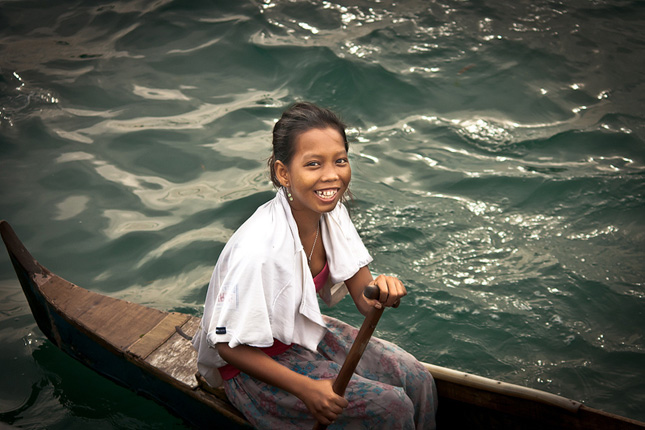
Surrounded by water, the Philippines is especially vulnerable to climate change. Its islands and its people are enduring increasingly unpredictable rains, intensifying cycles of flood and drought, and strengthening storms forming in the Pacific. These changing weather patterns have not only derailed livelihoods and agricultural productivity in rural areas, they have also worsened water insecurity in cities, where 45 percent of the population live.
-
Why Do Land Grabs Happen? Because They Can
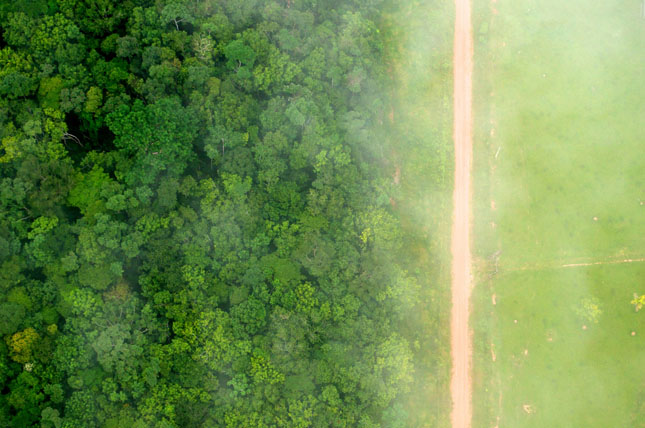
›May 9, 2016 // By Michael KugelmanIn January, over the objections of indigenous groups that live there, the government of Ecuador sold oil exploration rights to 500,000 acres of the Amazon to a consortium of Chinese companies. Whenever we hear about stories like this, there is a tendency to think: How can this happen? How can obscenely rich investors run roughshod over the land, livelihoods, and rights of impoverished local communities, and with utterly no consequences?
-
Water Is the Climate Challenge, Says World Bank
›May 6, 2016 // By Schuyler NullHow will climate change affect you? Probably through water.
That’s the major message of a new World Bank report that finds the ways governments treat water can have a profound effect on the economy.
-
Behind the Headlines, Emerging Security Threats in the Middle East
›The Middle East, as much as ever, is the focus of international attention, but the obvious crises may be a distraction from deeper underlying issues.
-
South Sudan’s Broken Oil Industry Increasingly Becoming a Hazard
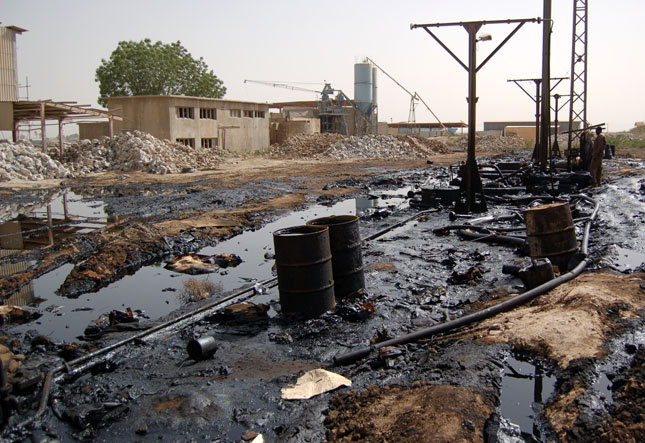
›The environment has long been a factor in violent conflict in South Sudan, especially with respect to control over oil. The first oil was discovered in 1999, and by 2007, hydrocarbons accounted for over 95 percent of Sudan’s income. South Sudan became independent in 2011 after years of war with the Sudanese government in Khartoum, intensified by local conflicts over access to oil-rich border areas. But beyond conflict, South Sudanese communities have also been ringing the alarm bell about pollution and health hazards caused by the oil industry.
-
Eric Holthaus, Ensia
New Rainfall Data: “Now, We Can Accurately Identify How Horrible Things Are”
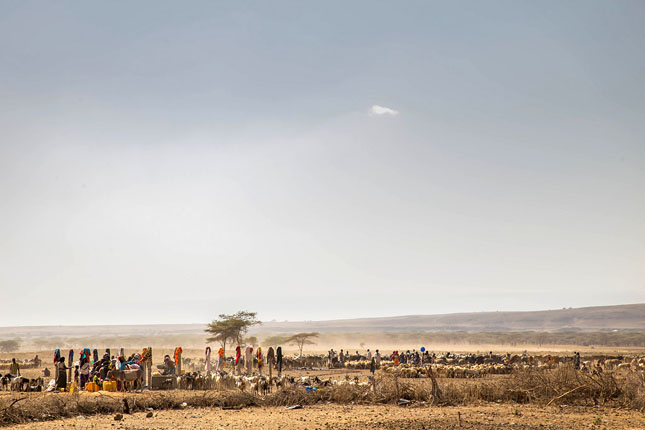
›April 28, 2016 // By Wilson Center StaffPeople in developed countries rarely think of weather in life-or-death terms. But millions in the developing world have no choice but to do so. The global rich have stable governments, savings accounts, insurance, and more to fall back on when disaster strikes. People in poorer countries don’t, so they’re often faced with tough decisions in times of drought: Sell the only ox for food and plow by hand next year? Take the kids out of school and put them to work chopping firewood for extra cash? Abandon the farm and family to look for work in the city?
-
How Effective Is the Extractive Industries Transparency Initiative? And a Transatlantic Food Security Strategy
›April 28, 2016 // By Gracie CookSovacool et al. in a study published in World Development compare the performance of the first 16 member countries of the Extractive Industries Transparency Initiative (EITI) to their performance before membership and to other non-member countries and find little difference in most governance and economic development categories.
Showing posts from category natural resources.
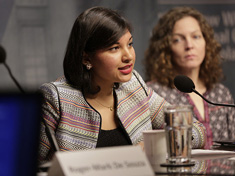 Climate change has the potential to exacerbate conflict and political instability, and women will pay a steeper price than their male counterparts when it does, says Mayesha Alam, associate director of the