-
2017 Is Pivotal for U.S. Leadership on Global Water Security
›
2017 promises to be a key year for U.S. government leadership on a variety of issues. Not least among them is global water security. Never have the challenges of global water security been so severe, and never have the opportunities for American leadership in the sector been greater.
-
With Network of River Watchers, Green Hunan Opens Second Front in China’s War on Pollution
›
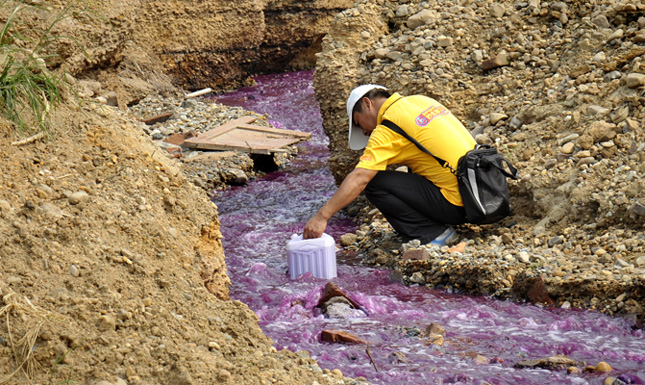
“Made in China” products surround us, yet few consumers have anything more than a foggy idea of where in China their phones, computers, and other goods come from. Hunan Province in South Central China is not only the home of spicy food, but the world’s largest mines for non-ferrous metals used in many electronic devices. Nearly all the glass panels for Apple and Samsung smartphones are manufactured in Hunan as well. While this multibillion-dollar phone industry has been a boon for Hunan’s economy, it has also produced seriously polluted rivers and soil.
-
Environmental Defenders Are Being Murdered at an Unprecedented Rate, Says UN Special Rapporteur
›The Earth’s front-line defenders are disappearing at an astonishing rate. On average three environmental activists were killed each week in 2015, according to a recent report from the United Nations special rapporteur on the situation of human rights defenders. Global Witness, an international NGO that documents natural resource extraction, corruption, and violence, reports a 59 percent increase in deaths last year compared to 2014. In total, 185 killings of environmental defenders were recorded by Global Witness in 2015.
-
Beyond the Headlines: Understanding Climate Change, Migration, and Conflict (Report Launch)
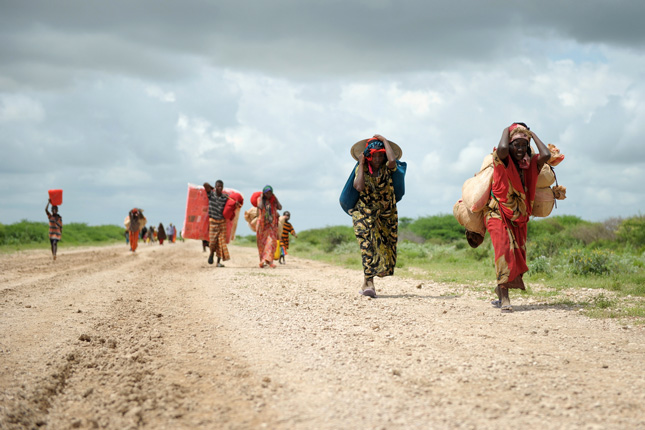
›As Syria has collapsed, spasming into civil war over the last five years, the effects have rippled far beyond its borders. Most notably, a surge of refugees added to already swelling ranks of people fleeing instability in Afghanistan, Iraq, Pakistan, and sub-Saharan Africa, leading to the highest number of displaced people since the Second World War. At the same time, scientists have noted record-breaking temperatures, a melting Arctic, extreme droughts, and other signs of climate change. For some, an obvious question is: what does one have to do with the other?
-
Planet at the Crossroads: Insights From IUCN’s World Conservation Congress
›At this year’s International Union for Conservation of Nature (IUCN) World Conservation Congress, more than 10,000 scientists, activists, and leaders from around the world committed to finding “nature-based solutions” to reversing environmental declines and securing a healthy, livable planet.
-
Land Privatizations, Not Just Climate Change, Are Costing Rural Kenyans
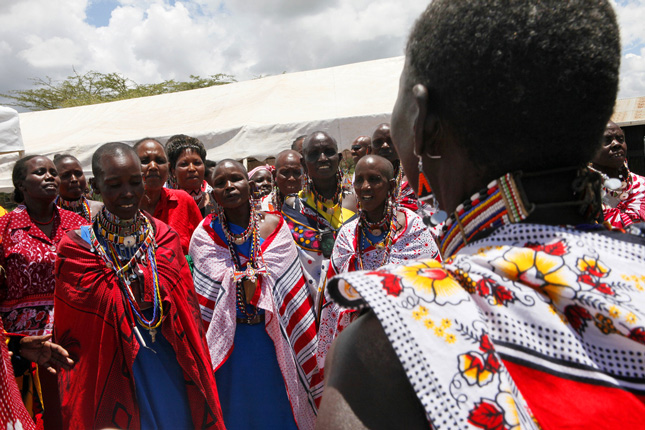
›Eddah Senetoi lives with her son in the small pastoralist community of Elangata Waus. They keep cows, goats, sheep, and donkeys to buy food and pay school fees. For her and other pastoralists living in southern Kenya’s Kajiado County, climate change is compounding challenges from land subdivision and privatization, and magnifying social tensions and community conflicts over access to resources.
-
Navigating Complexity: Climate, Migration, and Conflict in a Changing World
›Record levels of displacement and accelerating climate change have prompted many to wonder if the world is headed toward a more violent future. The nexus of climate change, migration, and conflict is posing fundamental challenges to societies. But not always in the ways you might think. In a new report prepared for the U.S. Agency of International Development, Lauren Herzer Risi and I present a small guide to this controversial and consequential nexus of global trends.
-
Predicting the Geopolitical Landscape of 2035, and a More Holistic Measure for Disaster Risk Assessment
›The world of 2035 will be facing global and regional insecurities that could be “more dangerous than the second half of the Cold War era,” according to a 2016 report from the Atlantic Council.
Showing posts from category natural resources.