• woodrow wilson center
  • ecsp

New Security Beat

Subscribe:
  • rss
  • mail-to
  • Who We Are
  • Topics
    • Population
    • Environment
    • Security
    • Health
    • Development
  • Columns
    • China Environment Forum
    • Choke Point
    • Dot-Mom
    • Friday Podcasts
    • Navigating the Poles
    • Reading Radar
  • Multimedia
    • Water Stories (Podcast Series)
    • Backdraft (Podcast Series)
    • Tracking the Energy Titans (Interactive)
  • Films
    • Water, Conflict, and Peacebuilding (Animated Short)
    • Paving the Way (Ethiopia)
    • Broken Landscape (India)
    • Scaling the Mountain (Nepal)
    • Healthy People, Healthy Environment (Tanzania)
  • Publications
  • Events
  • Contact Us

NewSecurityBeat

The blog of the Wilson Center's Environmental Change and Security Program
Showing posts from category natural resources.
  • Can Citizen Science Help Small Communities Combat Big Fishing Fleets?

    ›
    China Environment Forum  //  From the Wilson Center  //  April 20, 2016  //  By Meaghan Parker

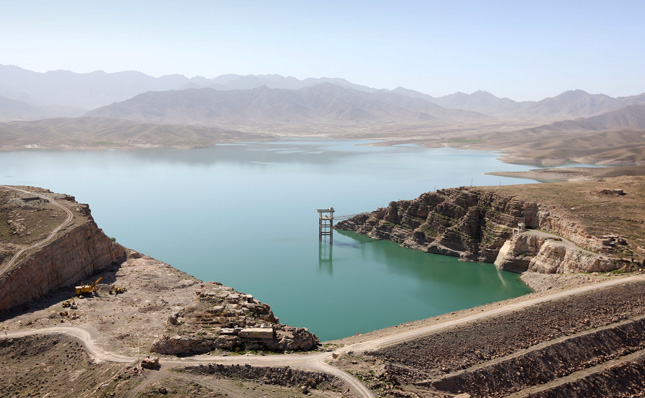
    This Earth Day weekend, the U.S. Department of State is hosting more than 2,000 coders in more than 40 cities to encourage creative thinking about technological solutions to ocean issues. The third annual Fishackathon could produce new tools for local communities to track long-distance fishing, a growing problem in some places, as China, in particular, scales up its efforts.

    MORE
  • Turning the Impending Mosul Dam Disaster Into Opportunity

    ›
    From the Wilson Center  //  April 19, 2016  //  By Azzam Alwash
    MosulDam

    The original version of this article appeared as part of the Middle East Program’s Viewpoints series.

    Iraq has seen its share of calamities in recent years, but none is as dangerous as the impending failure of the Mosul Dam. A breach of the dam will result in a tsunami-like wave that sweeps through cities and hamlets along the Tigris River from Mosul to as far south as Amarah and even Basra. Baghdad would be submerged under five meters of water within four days. Not only do experts estimate the possible fatalities to range from 500,000 to more than 1 million, but consider the logistics of trying to provide electricity, drinking water, food, hospitals, transportation, and diesel for millions of people.

    MORE
  • Tracking China’s “Foul and Filthy” Rivers With Citizen Science

    ›
    China Environment Forum  //  Guest Contributor  //  April 14, 2016  //  By Elizabeth Tyson & Kate Logan
    beijing-river

    The original version of this article, by Elizabeth Tyson and Kate Logan, appeared on the Wilson Center’s Commons Lab.

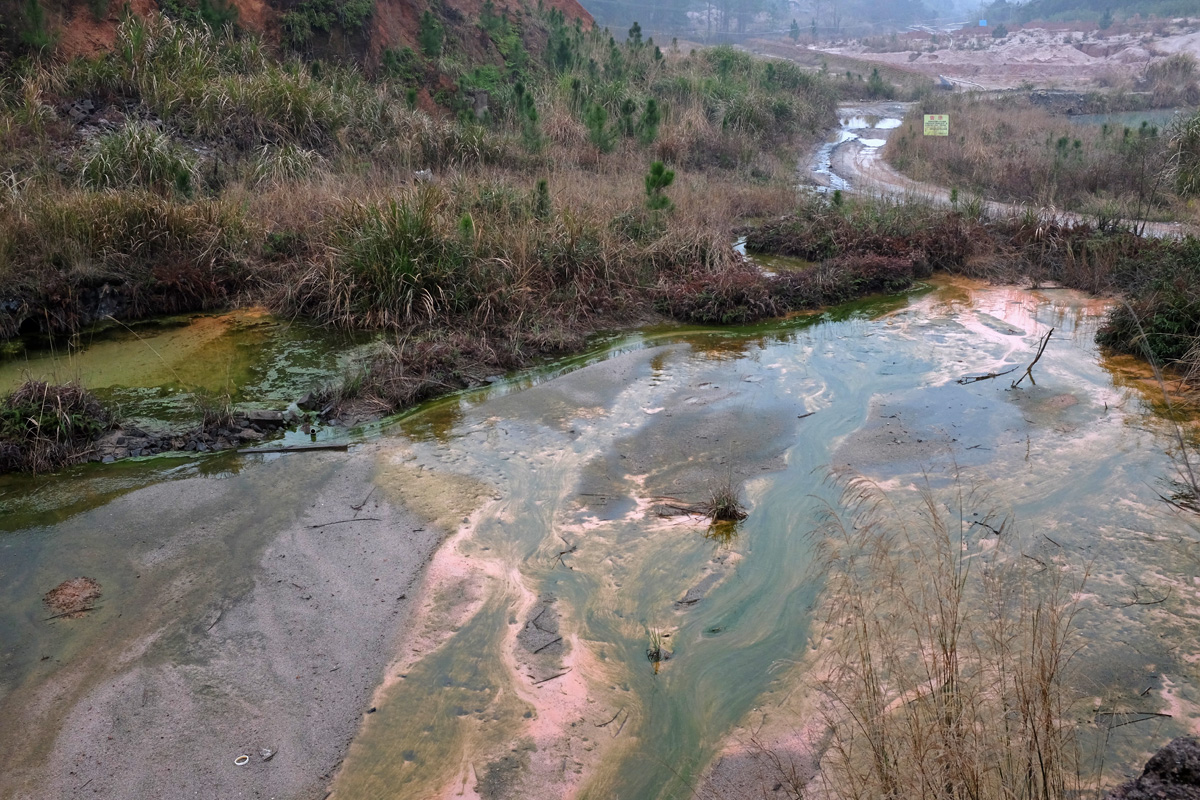
    Blackened rivers snake the ring roads of Beijing, carrying pollution and often smelly water from one end of the city to another. The most polluted of these have been dubbed “foul and filthy” rivers (黑臭河) by China’s Ministry of the Environment (MEP) and Ministry of Housing and Urban-Rural Development (MOHURD). However, the government has decided to clean these up – and is enlisting the help of the public to do so.

    MORE
  • Can Better Data Lead to More Women in Environmental Leadership Positions?

    ›
    Guest Contributor  //  April 11, 2016  //  By Maggie Roth
    North Darfur Woman Votes in Sudanese National Elections

    The saying goes, what hasn’t been counted doesn’t count. Our latest datasets for the Environment and Gender Information (EGI) platform are proving this true.

    MORE
  • Ruth Greenspan Bell, The Guardian

    In the Fight for Climate Action, Data Isn’t Always Your Friend

    ›
    April 6, 2016  //  By Wilson Center Staff
    ICESCAPE

    The original version of this article, by Ruth Greenspan Bell, appeared on The Guardian.

    When anyone wishes to support – or defeat – a given position, the sturdiest method is to generate data to predict its consequences. Advocates generate reams of numbers to substantiate their preferred outcome.

    MORE
  • Carlos Manuel Rodriguez, Human Nature

    Murders of Environmental Activists Reflect Chronic Clashes Over Resource Use

    ›
    April 4, 2016  //  By Wilson Center Staff
    Berta-Caceres-rally

    The original version of this article, by Nancy Lindborg, appeared on Conservation International’s Human Nature blog.

    When I heard of the horrific murder of Berta Cáceres, a Honduran environmental activist who had spent years fighting to protect her community’s traditional lands, I was shocked – though perhaps I shouldn’t have been.

    MORE
  • Community Empowerment vs. State Stability? Lessons From Nepal’s Micro-Hydropower Projects

    ›
    Guest Contributor  //  March 29, 2016  //  By Florian Krampe
    microhydro Nepal

    Post-war countries are among the most difficult policy arenas. The challenge is not only to stop violence and prevent violence from rekindling, but moreover to help countries reset their internal relations on a peaceful path. Increasingly, researchers and practitioners are interested in the potential of natural resources in post-war settings in the hope that good governance and sustainable management can contribute to this reset. Indeed, the international community acknowledged the relevance of the link between peaceful societies and environmental issues by including both in the Sustainable Development Goals.

    MORE
  • In Tanzania, Empowering Communities to Address Population, Health, and Environment Issues Together

    ›
    Guest Contributor  //  March 28, 2016  //  By Mustafa G. Kudrati
    Kigoma

    Africa has its share of challenges, but it also leads the way in creative development responses. Take the Lake Tanganyika area in Tanzania. Daily life is hard. There are few roads. Cellphone service is patchy. You must travel by boat for seven hours to reach the nearest hospital. And if you have an obstetric emergency, there is no doctor in the village to help you.

    MORE
Newer Posts   Older Posts
View full site

Join the Conversation

  • RSS
  • subscribe
  • facebook
  • G+
  • twitter
  • iTunes
  • podomatic
  • youtube
Tweets by NewSecurityBeat

Trending Stories

  • unfccclogo1
  • Pop at COP: Population and Family Planning at the UN Climate Negotiations

Featured Media

Backdraft Podcast

play Backdraft
Podcasts

More »

What You're Saying

  • Volunteers,At,The,Lagos,Food,Bank,Initiative,Outreach,To,Ikotun, Pan-African Response to COVID-19: New Forms of Environmental Peacebuilding Emerge
    Rashida Salifu: Great piece 👍🏾 Africa as a continent has suffered this unfortunate pandemic.But it has also...
  • A desert road near Kuqa An Unholy Trinity: Xinjiang’s Unhealthy Relationship With Coal, Water, and the Quest for Development
    Ismail: It is more historically accurate to refer to Xinjiang as East Turkistan.
  • shutterstock_1779654803 Leverage COVID-19 Data Collection Networks for Environmental Peacebuilding
    Carsten Pran: Thanks for reading! It will be interesting to see how society adapts to droves of new information in...

What We’re Reading

  • Rising rates of food instability in Latin America threaten women and Venezuelan migrants
  • Treetop sensors help Indonesia eavesdrop on forests to cut logging
  • 'Seat at the table': Women's land rights seen as key to climate fight
  • A Surprise in Africa: Air Pollution Falls as Economies Rise
  • Himalayan glacier disaster highlights climate change risks
More »
  • woodrow
  • ecsp
  • RSS Feed
  • YouTube
  • Twitter
  • Facebook
  • Home
  • Who We Are
  • Publications
  • Events
  • Wilson Center
  • Contact Us
  • Print Friendly Page

© Copyright 2007-2021. Environmental Change and Security Program.

Woodrow Wilson International Center for Scholars. All rights reserved.

Developed by Vico Rock Media

Environmental Change and Security Program

Woodrow Wilson International Center for Scholars

Ronald Reagan Building and International Trade Center

  • One Woodrow Wilson Plaza
  • 1300 Pennsylvania Ave., NW
  • Washington, DC 20004-3027

T 202-691-4000