-
REDD+ Progress: Forests and Solving the Climate Change Challenge
›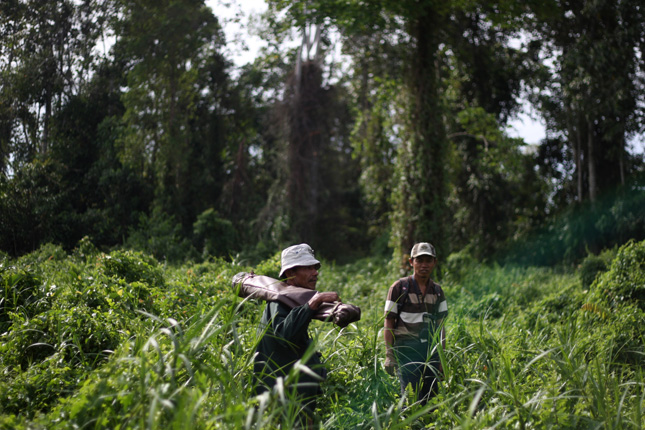
From 1870 to 2015, the CO2 concentration in the atmosphere increased significantly, said Professor Maria Sanz, scientific director at the Basque Center for Climate Change in a recent webinar organized by WWF Forest and Climate. Forests have been responsible for global greenhouse gas emissions through forestry and other land use activities. However, she noted that forests also absorb nearly one-third of the emissions generated from fossil fuels.
-
MCC Mobilizes Private-Sector Investment to Expand Access to Water in Jordan
›
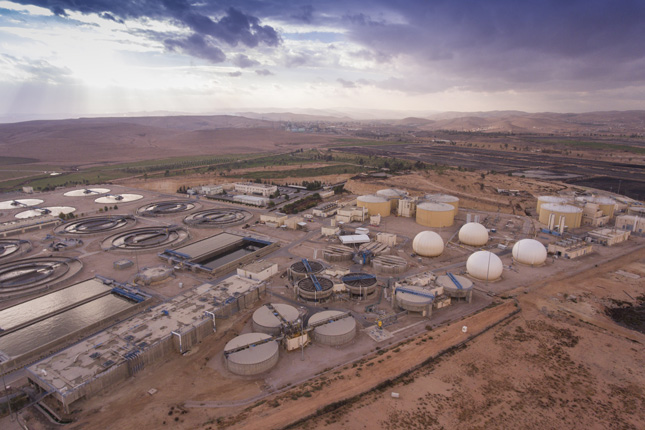
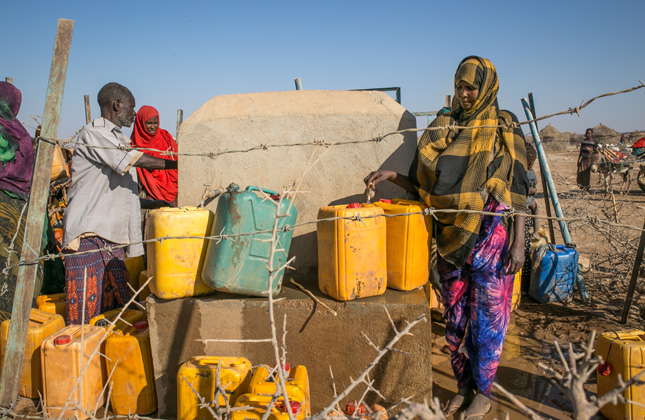
In Jordan—one of the driest, most water poor countries in the world—population growth is straining the country’s aging infrastructure and limited water resources. As the Jordan country director for the Millennium Challenge Corporation (MCC), I’ve met urban residents and business owners who have only received water from the city utility once every two weeks, relying on storage tanks to fill the gaps. I’ve spoken with water utility managers who could no longer keep up with urgent repairs, leading to bursting water pipes and sewage overflowing into streets. And farmers in the Jordan Valley have told me that each year their wells have grown drier, and they feared the next generation would be forced to give up farming olives, tomatoes, grapes, and strawberries.
-
Observing Earth: Using Satellite Data for International Development
›“Interest in earth observation—and in particular, the value to what we do in development internationally—has never been higher,” said Jenny Frankel-Reed, adaptation team lead at the U.S. Agency for International Development (USAID). Frankel-Reed spoke at the Wilson Center’s recent panel discussion of the earth observation data program known as SERVIR, which included insights from USAID’s soon-to-be-released evaluation of the program.
-
In Lesotho, Population Pressures Have Created a Perfect Storm of Human Insecurity
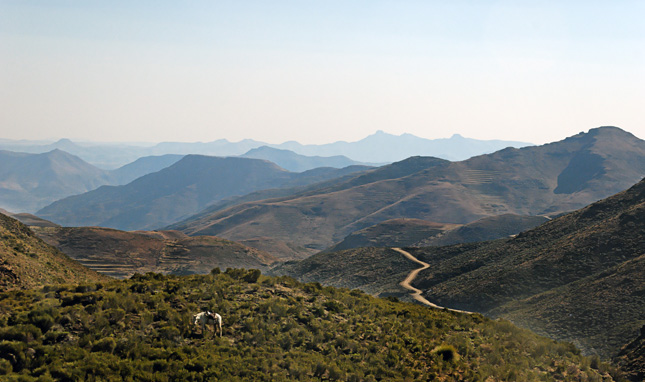
›Since declaring its independence in 1966, Lesotho has faced severe challenges to virtually every dimension of human security, writes Eugene Linden in a recent New York Times opinion article. In recent years, drought – coupled with widespread soil erosion and rapid population growth – has pushed a large portion of Lesotho’s two million people to the verge of starvation, which Linden calls “just one example of how fragile the future seems for Africa, large parts of which face the prospect of new famine and, in consequence, further catastrophic displacement within and among their growing populations.”
-
Thirsty Power: Measuring the Water Risk of China’s Coal Industry With Mingxuan Wang
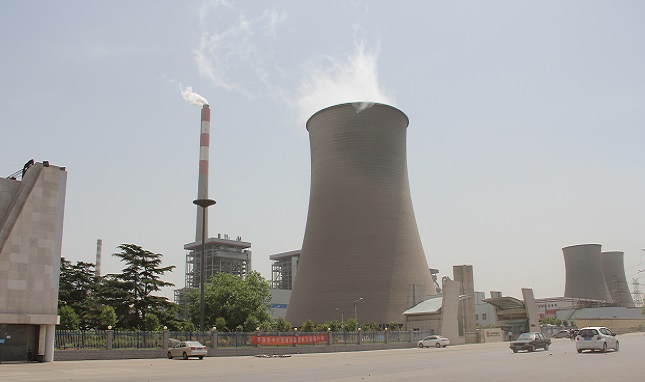
›Coal — the reigning king of China’s energy sector — generates 74 percent of the country’s electricity and is the main source of the staggering air pollution blanketing Chinese cities. Prompted in large part by the air pollution problem, the Chinese leadership has begun to pivot away from coal by strengthening monitoring and enforcement to limit coal-fired power plant emissions, piloting CO2 emissions trading projects, accelerating expansion of renewables, and committing to CO2 reductions in the Paris climate agreement.
-
Top 5 Posts for June 2017
›Water, water everywhere but not a drop to drink: All five of the most popular posts last month focused on water scarcity.
The final two parts of our “Choke Point: Tamil Nadu” series, which explores the conflicting demands for water, food, and energy in the South Indian state, took the top spots. In June’s most popular post, Circle of Blue’s Keith Schneider reports on Tamil Nadu’s leadership in India’s transition to solar and wind energy, which use far less of the country’s scarce water resources than coal and nuclear power plants. Schneider also wrote “New Media Helps Galvanize Tamil Nadu to Fight a Toxic Legacy,” which describes an environmental activist’s fight against industrial water contamination.
-
David Reed, World Wildlife Fund-US
U.S. National Security and Prosperity Under Rising Pressure From Water Stress
›U.S. prosperity and national security depend directly on the prosperity and stability of our partner countries and competing countries around the world. Today, water-driven stresses are, with increasing frequency, undermining economic productivity, weakening governance systems, and fraying social cohesion. Water scarcity has created a context of human and societal need wherein water stress has undermined the vitality of rural livelihoods, driven broad migratory movements, become a weapon of war, contributed to the growth of insurgencies and terrorist networks, and given rise to increased demand for U.S. development, humanitarian, and military assistance.
-
Citizen Science Is Making it Harder for China’s Biggest Polluters to Hide
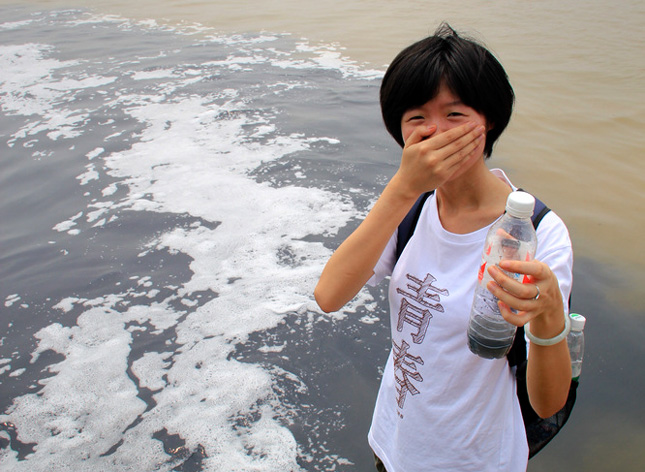
›In 2016, the Environmental Protection Agency charged its federal advisory committee with exploring how citizen science and crowdsourcing should be integrated into the agency’s mission. The resulting report eloquently describes how if the environment is to be protected then it’s the duty of all – the government, institutions, and citizens – to work together to achieve this.
Showing posts from category natural resources.