-
The Role of Water Stress in Instability and Conflict
›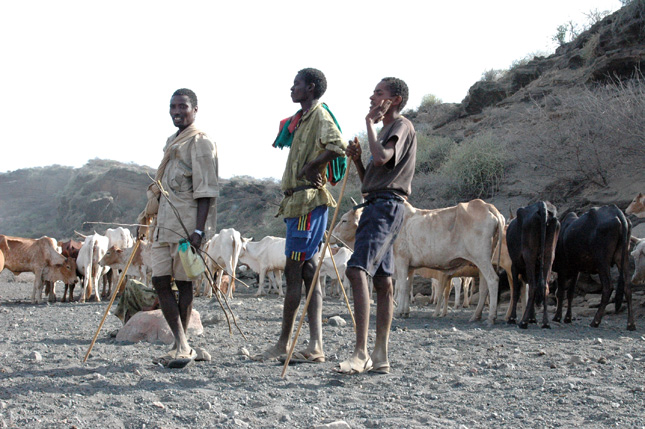
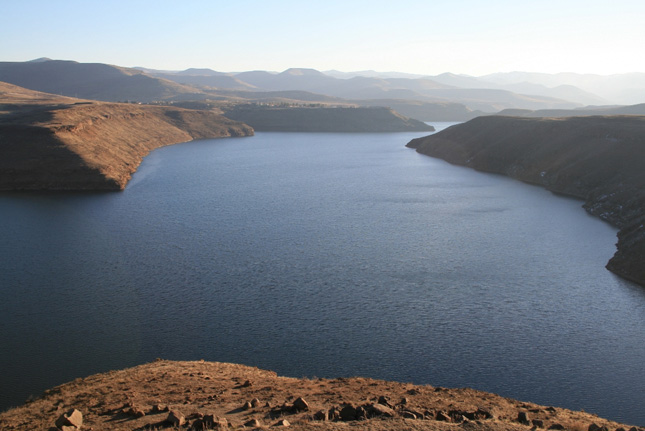
As senior military officers, we see water stress—the lack of adequate fresh water—as a growing factor in the world’s hotspots and conflict areas, many of vital interest to the United States. Our earlier reports have identified a nexus among climate, water, energy, and U.S. national security. We have previously shown how emerging resource scarcity across this nexus can be a threat multiplier and an accelerant of instability. With escalating global population and the impact of a changing climate, we see the challenges of water stress rising with time. It is in this context that we now seek to provide a better understanding of the mechanisms through which water factors into violence and conflict.
-
A Matter of Survival: Learning to Cooperate Over Water
›
“Water security and management represent the cornerstone of global conflict prevention,” said President Danilo Türk, chair of the Global High-Level Panel on Water and Peace and former president of Slovenia, at a recent Wilson Center event on water and peace. “The only alternative to water is water, and therefore, the matter of water is a matter of survival,” said Sundeep Waslekar, president of Strategic Foresight Group.
-
Criminal Elements: Illegal Wildlife Trafficking, Organized Crime, and National Security
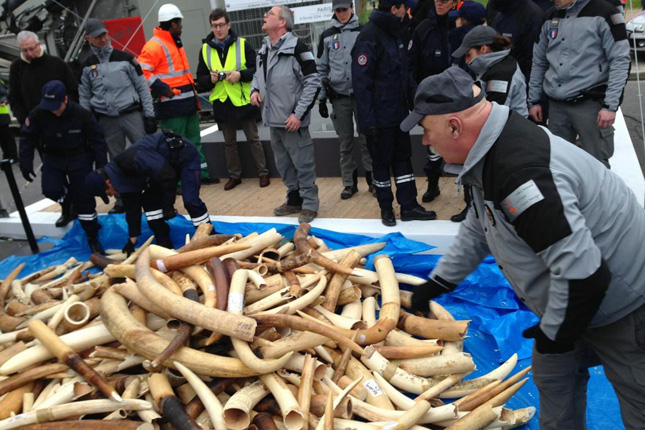
›“The same criminals that are trafficking in drugs, guns, and people, traffic in wildlife,” said Christine Dawson, the director of the Office of Conservation and Water at the U.S. Department of State, at a recent event in the Wilson Center’s “Managing Our Planet” series. Experts from Vulcan Productions and Brookings Institution joined Dawson to discuss the links between national security and wildlife trafficking, which is now the fourth largest transnational crime in the world, and to mark recent legislative successes and innovative tools.
-
Playing Energy Politics: The Risks of Securitizing Natural Gas Markets in Europe
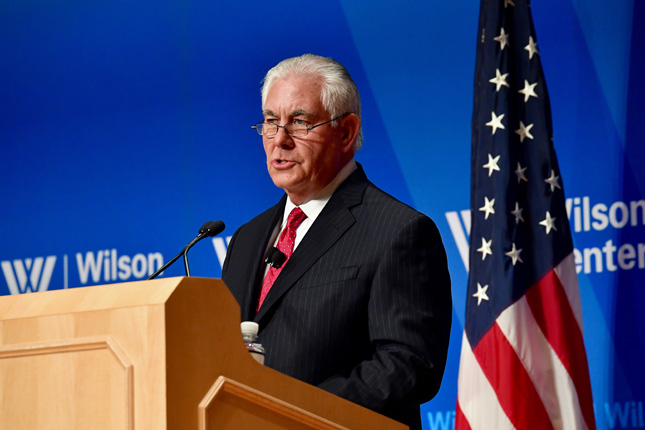
›Russia is “playing politics with energy supplies,” said U.S. Secretary of State Rex Tillerson at a major policy speech at the Wilson Center this week. He accused Russia of wielding natural gas “as a political weapon” and said that ensuring European energy security was “fundamental” to U.S. national security objectives. In Europe, the debate is raging over how best to achieve energy security in the face of the twin challenges of Russian dominance and the need to decarbonize the economy. The ongoing securitization of Russian natural gas could not only complicate the road to a low carbon future in Europe, it could also undermine a European integration project that has mostly been a success.
-
The “Most Important Issue We Face”: New U.S. Global Strategy for Water Emphasizes Health and Security
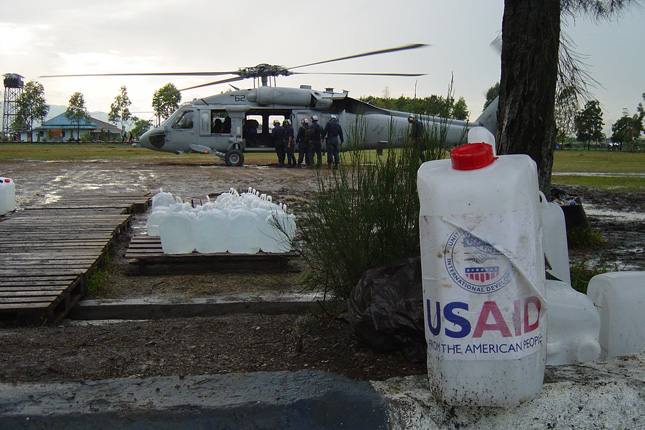
›“Water may be the most important issue we face for the next generation,” writes President Donald J. Trump on the first page of the first-ever U.S. Global Water Strategy. Prepared by the U.S. State Department and released in mid-November, the landmark report was required by Congress’ bipartisan Senator Paul Simon Water for the World Act of 2014. During the public comments phase, the New Security Beat published recommendations from its fellows and experts. Now that it is out, we’ve asked them to share their thoughts on the final report.
-
From Disclosure to Development: Can Transparency Initiatives Improve Natural Resource Management?
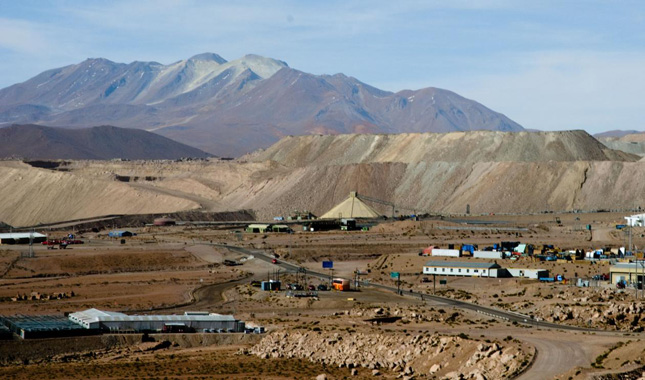
›“In the end, we all have to be accountable,” said Geoff Healy of BHP Billiton, the largest natural resource extraction company in the world, at a recent event on transparency, anti-corruption, and sustainable development at the Brookings Institution.
-
An Unholy Trinity: Xinjiang’s Unhealthy Relationship With Coal, Water, and the Quest for Development
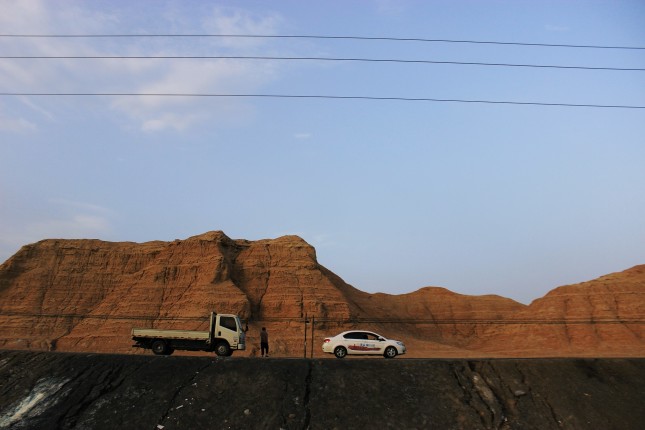
›Sitting shotgun in a beat-up vehicle en route to Tashkorgan a small town in the western Chinese province of Xinjiang, I soaked in the magnificence—or what I could see through the dust-coated windshield. The unpaved and rocky road, which carves through the precipitous Karakorum pass, will be (when finished) a key link in China’s “One Belt One Road” plan to connect China to Pakistan. China’s ambitious plans for westward expansion will demand an almost inconceivably enormous amount of energy and resources, and water-scarce Xinjiang will play a central role. With plans like these, how can China meet its water needs?
-
Crisis in Lake Chad: Tackling Climate-Fragility Risks
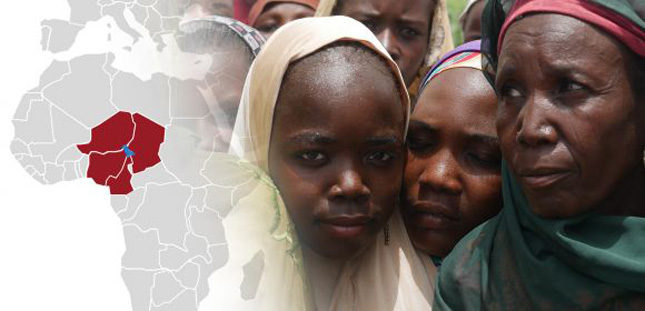
›While attention in the United States is focused on the disasters in Puerto Rico and the Caribbean, a crisis across the Atlantic is rapidly becoming one of the worst humanitarian disasters since World War II. In the Lake Chad basin of West Africa, about 17 million people are affected by the emergency, struggling with food insecurity, widespread violence, involuntary displacement, and the consequences of environmental degradation. An estimated 800,000 children suffer from acute malnutrition; and although international donors pledged $672 million in February, the famine and humanitarian misery continues unabated. Suicide bombings and attacks by Boko Haram, which have killed at least 381 civilians since April 2017, have forced many people to leave their homes and farmers to leave their lands, interrupting livelihoods and reducing food supplies.
Showing posts from category natural resources.