-
Four Cattle and a Farm: On Finding More Inclusive Solutions to Climate Change
›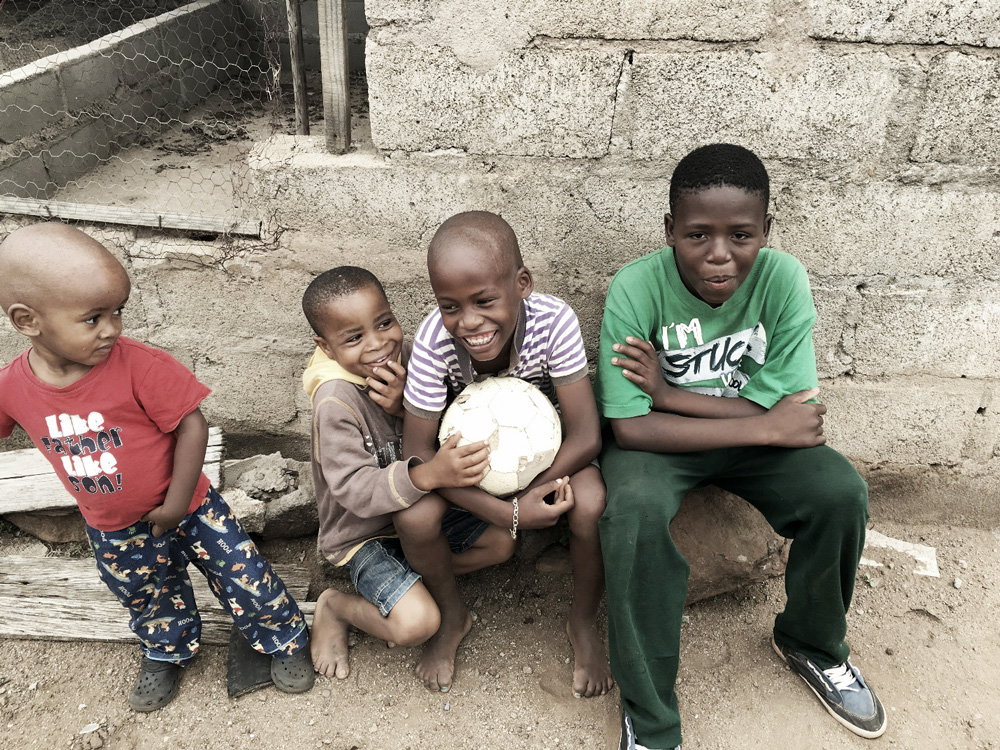
As early as 1911, coal miners in Britain carried caged canaries into mining pits. Any sign of distress from the small birds, which are incredibly sensitive to the presence of harmful gases such as carbon monoxide, meant immediate evacuation. Today’s canaries in the coal mine are low-income, minority communities whose exposure to environmental risks in the United States and elsewhere puts them at the frontlines of the global climate crisis.
-
Singapore and the Climate Dilemma: There’s No Way to Go it Alone
›
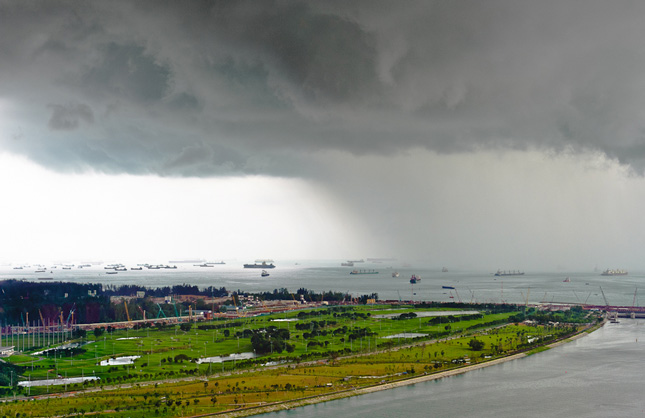
Anyone visiting Singapore, as I did recently, quickly realizes it is exceptional. A tiny, rich, stable city-state of nearly 6 million people perched uneasily in a region of sprawling mega-countries full of poverty and instability, it also a thriving free market trading and financial center that is meticulously planned and where 80 percent of people live in public housing.
-
El Niño Affects Food for 80 Million, “Paradigm Shift” Needed in Disaster Risk Assessment
›A report by the European Union on global food security finds 240 million people are in food stress thanks to conflict, refugee situations, flooding, drought, and El Niño. Part of a 2012 commitment by the EU to better target the root causes of food insecurity, the report analyzes the hunger situation in 70 countries and provides deeper analysis for 20. -
Global Population and Reproductive Health (Book Preview)
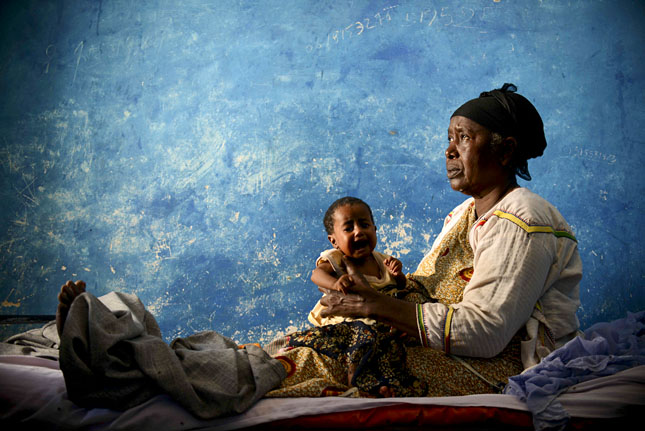
›Population, reproductive health, and environmental sustainability are inextricably linked. Growing populations place increasing demands on the environment, while meeting the reproductive health needs of populations usually slows their growth. Often, however, policymakers, scholars, and journalists discuss these issues separately, as if unrelated.
-
Innovative Sludge-to-Energy Plant Makes a Breakthrough in China
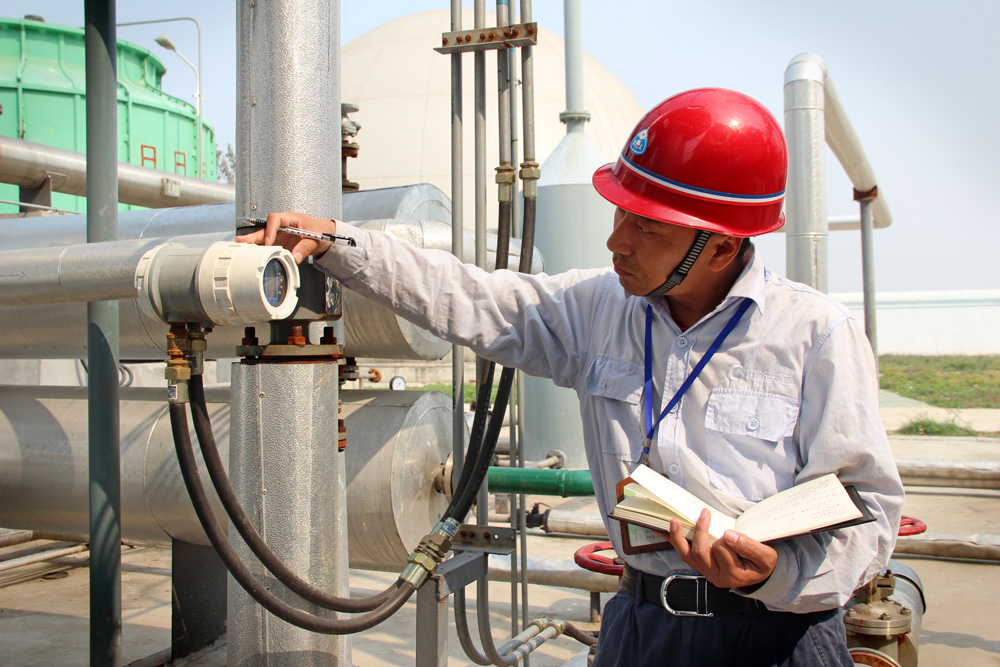
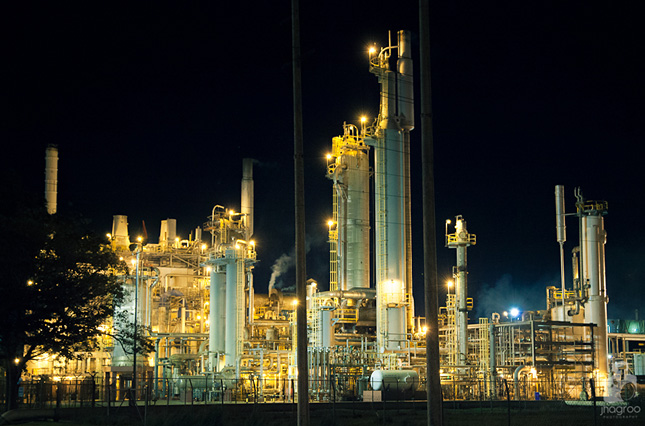
›XIANGYANG, China – This factory located in a quiet island of central China’s Xiangyang city probably won’t grab your attention. Its stainless steel complex and three-story office building look similar to any other. But don’t be fooled by appearances. The plant here holds a secret that has lured more than 100 Chinese mayors to pay their respects and uncover how they can replicate its success.
-
Paris Was a Success, But the Climate-Security Response Is Lagging, Says Nick Mabey
›
In the months leading up to the United Nations conference on climate change in Paris last fall, expectations were high. And the result actually exceeded those expectations in many respects, says Nick Mabey, director and chief executive at the environment consultancy E3G, in this week’s podcast.
-
The Case for a Caribbean Carbon Market
›In an effort to scale-up climate change mitigation, the largest private sector engagement in the history of the United Nations was drafted to fund clean technology projects in developing countries. Carbon credits were to offset pollution in developed nations and pay for clean energy projects in developing countries. But many developed countries, including the United States, spurned the agreement, preferring to manage greenhouse gas emissions internally and build or retrofit infrastructure in ways that directly benefited their economies. The ambitions of the Kyoto Protocol, which went into effect in 2005, were subsequently stranded and then scrapped.
-
Corruption, Climate Change, and Vulnerability in Small-Island States
›As international funding to support environmental management and development increases, the danger of associated corruption grows and requires greater attention. Small-island developing states (SIDS), greatly exposed to the damage caused by climate change, are particularly vulnerable. These small, trailblazing countries in the Pacific, Caribbean, and Indian Ocean are making progress in addressing climate threats, but will need international support and local commitment regarding rule of law and corruption in the climate sector as they try to prevent the worst effects of climate change and find a sustainable way to develop.
Showing posts from category mitigation.