-
Family Planning and Environmental Sustainability: Assessing the Evidence
›
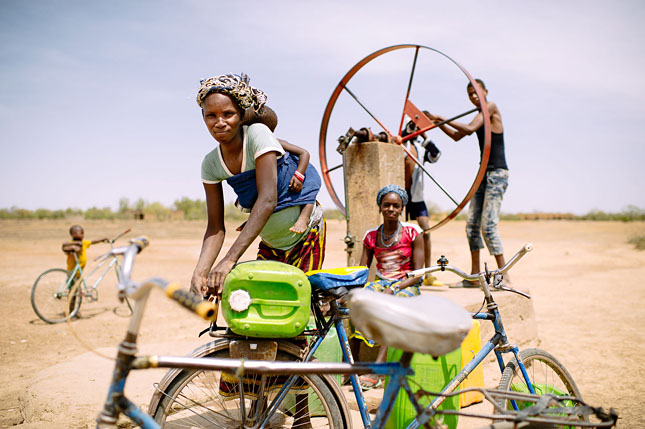
“There are truly global-scale environmental challenges, and they need to be dealt with by thinking of solutions at the same scale,” said Thomas Lovejoy, a senior fellow at the United Nations Foundation, at the Wilson Center on June 29. The interaction between human population and environmental degradation is one of these challenges. [Video Below]
-
Human Rights and the Environment: How Do We Do Better?
›
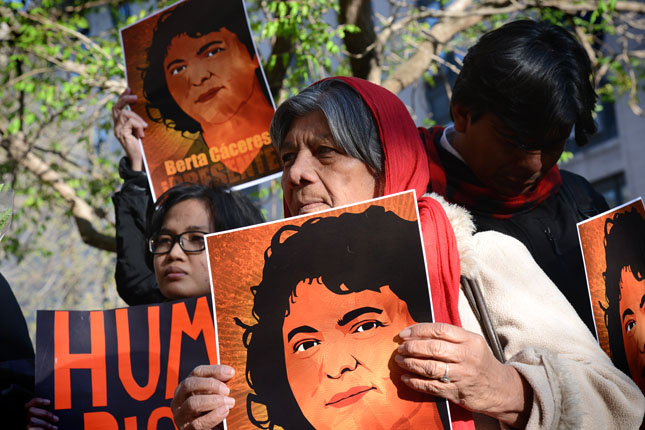
2015 was a deadly year for environmental activism. According to Global Witness, 185 activists were killed, a 60 percent increase from 2014. Of the victims, 40 percent were indigenous people, like Berta Cáceres, who spoke at the Wilson Center last year and was shot and killed in her home in Honduras this March. [Video Below]
-
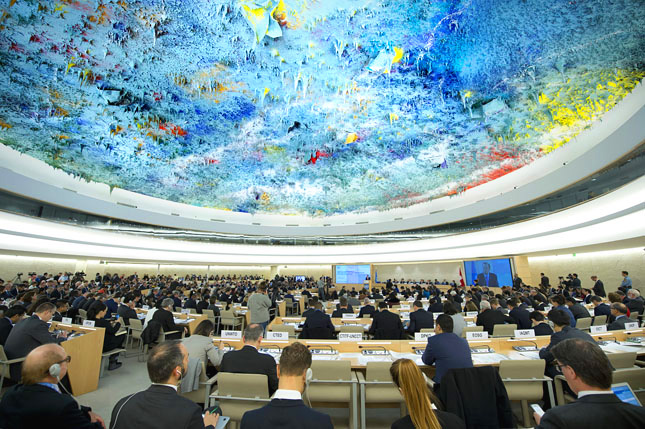
Climate Policy vs. Climate Ethics? A Debate on Justice and Our Global Future
›As the international community looks to the Paris climate agreement and beyond, a key question emerges: Will strong ethical arguments or pragmatic national interest lead to a safe and sustainable future? Can these two perspectives coexist? [Video Below]
-
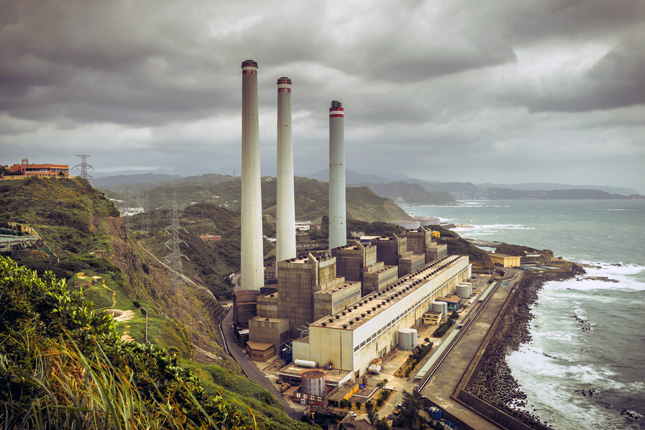
What Next? Climate Mitigation After Paris
›The Paris Climate Agreement sets forth a bold goal to reduce greenhouse gas emissions, keep global temperature rise below 2.0 degrees Celsius, and employ best efforts toward no more than 1.5 degrees of warming. It also sets forth a new set of rules to achieve these goals. [Video Below]
-
How to Translate Paris Pledges Into Action? Regulatory Frameworks, Says World Bank’s Grzegorz Peszko
›
Nearly six months after the Paris climate agreement, the international community’s attention has shifted from celebration to implementation. Governments have begun outlining climate pledges in the form of intended nationally determined contributions, or INDCs – which are fast becoming nationally determined contributions, or NDCs, as they begin influencing policy.
-
What Makes Agriculture Vulnerable to Climate Change, and the Mortality Effects of Fruit and Vegetable Scarcity
›Gains in food production and increased awareness of global food security are threatened by looming losses due to climate change, according to a study published in The Lancet. Marco Springmann et al. calculate that climate change will lead to a 3.2 percent reduction in global food availability per person by 2050, driven by changes in weather patterns, increasing frequency of extreme weather, and potential social disruptions to food production like disease and conflict. -
In Sustainable Development and Conflict Resolution, Women Seeing Larger Roles
›It used to be a luxury to talk about the environment when you were addressing conflict. Today, “we recognize it’s not a luxury anymore,” said Liz Hume, senior director for programs at the Alliance for Peacebuilding, at the Wilson Center on April 29. Similarly, gender dynamics are now being recognized as playing a critical role in sustainable development and peacebuilding. [Video Below]
-
2015 Migration Factsheet, and the Effects of Policy on Climate-Migration Trends in South America
›Climate change is expected to affect rural to urban migration and
Omar O. Chisari and Sebastian Miller, in a recently released working paper by the Inter-American Development Bank, analyze the various policy options available in two cases: domestic migration to São Paulo, and international migration from Bolivia and Paraguay to Argentina. Migration into cities will impact climate change mitigation strategies.
Showing posts from category mitigation.