

-
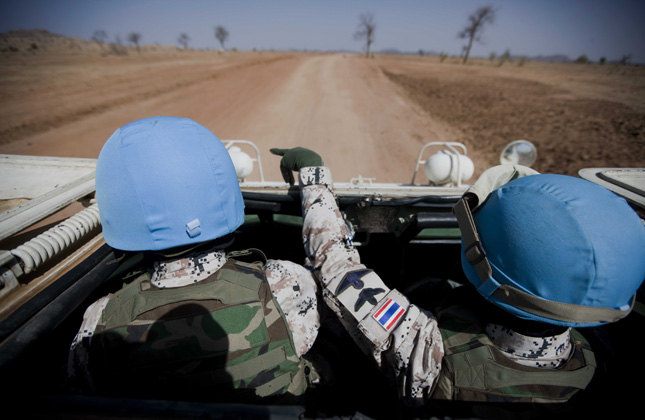
The UN Wants to Respond to Climate Change and Prevent Conflict, But When?
›
A slightly modified version of this article originally appeared on the Resilience Compass.
Climate change, civil conflict, and violent extremism are among the most significant threats to human development, peace, and security around the globe. Addressing all three requires immediate action by the United Nations to prevent future crises, yet crucial investments may not yield tangible results for years to come—well beyond democratic term limits.
-
Ceding U.S. Leadership in Advanced Energy Is a National Security Risk, Says Military Advisory Board
›June 28, 2017 // By Anuj Krishnamurthy
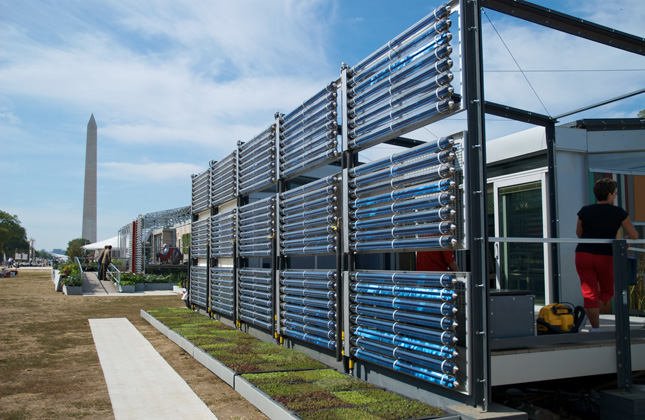
“As new energy options emerge to meet global demand, nations that lead stand to gain; should the U.S. sit on the sidelines, it does so at considerable risk to our national security,” advises the latest report from CNA’s Military Advisory Board (MAB), a group of retired generals and admirals.
-
Former Defense Officials, Officers Discuss Climate Change and National Security on Capitol Hill
›“There’s a lot you can do to mitigate risk once you acknowledge the risk exists,” said John Conger, senior advisor at the Center for Strategic and International Studies at a June 5th briefing on Capitol Hill. Convened by the Environmental and Energy Study Institute, Center for Climate and Security, and the Henry M. Jackson Foundation, the panel of former Department of Defense (DOD) officials and retired military officers included Sherri Goodman, senior fellow at the Wilson Center, and three members of the Military Advisory Board: Brigadier General Gerald Galloway, General Ron Keys, and Rear Admiral Ann C. Phillips.
-
Lukas Rüttinger, A New Climate for Peace
Insurgency, Terrorism, and Organized Crime in a Warming Climate
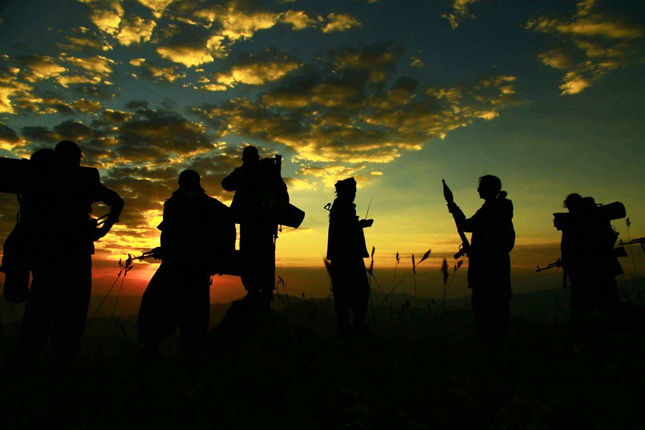
›May 2, 2017 // By Wilson Center StaffTerrorist groups such as the Islamic State and Boko Haram have been dominating the headlines since 2013. Both groups have gained international notoriety for their ruthless brutality and their rise is posing new challenges for national, regional, and international security. Such non-state armed groups (NSAG) are not a new phenomenon. Today, however, we can observe an increasingly complex landscape of violent actors with a range of hybrid organizational structures and different agendas that set them apart from “traditional” non-state actors and result in new patterns of violence.
-
A Survey of the “War on Wildlife”: How Conflict Affects Conservation
›Over the last 60 years, more than two-thirds of the world’s remaining biodiversity hotspots have experienced armed conflict. The effects have been myriad, from destruction as a result of military tactics to indirect socioeconomic and political changes, like human migration and displacement. This so-called “war on wildlife” has important implications for conservation and peacebuilding efforts, according to a recent literature review published in Frontiers in Ecology and the Environment.
-
Can Demographic-Environmental Stress Contribute to Mass Atrocities? And the Future of Arctic Cooperation
›In a brief published by the Stanley Foundation, Cullen Hendrix explores how “the degradation and overexploitation of renewable sources…and unequal access to these resources” can make societies more or less susceptible to experiencing mass atrocities. Hendrix proposes that “demographic-environmental stress” is most likely to contribute to mass atrocities (genocide, war crimes, or crimes against humanity) in agricultural societies that have a high level of group identity-driven politics and economics, exclusionary political institutions, political actors that deprive certain groups, or when governments have low legitimacy. -
Mattis Latest in Succession of Senior Military Leaders to Warn About Climate Change
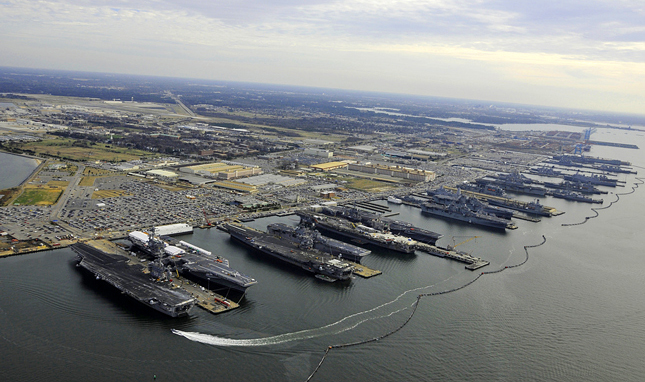
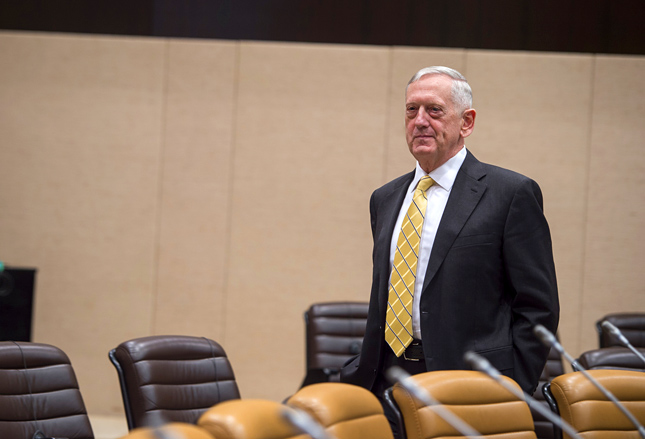
›March 17, 2017 // By Schuyler NullThis week, newly minted Secretary of Defense James Mattis joined a long list of senior U.S. military leaders who have warned about the national security threats of climate change.
-
Julia McQuaid on the Complex Link Between Water and Conflict in the Middle East and North Africa
›Does global water stress matter for U.S. national security, and if so, how? That’s a major focus of the next CNA Military Advisory Board report, says Julia McQuaid of the CNA Corporation in this week’s podcast. She talks about the preliminary findings of the report and how the national security community views water.
Showing posts from category military.
 Does global water stress matter for U.S. national security, and if so, how? That’s a major focus of the next

