-
No Peace Without Women
›November 11, 2010 // By Kayly Ober
On October 31, 2000, the UN Security Council adopted Resolution 1325, which calls for women’s equal participation in all efforts to maintain and promote peace and security. The resolution sought to exorcise the demons of the 1990s, when genocide took over 800,000 lives in Rwanda, thousands of women were raped in Bosnia, and millions more were displaced. However, the truth is that little progress has been made over these last 10 years and women remain on the periphery when it comes to post-conflict reconstruction and development.
-
The Ultimate Weapon Is No Weapon: Human Security and the New Rules of War and Peace
›To understand the security concerns of the developing world, we must understand that lack of institutional capacity has created a “house of cards,” said U.S. Army Lieutenant Colonel Shannon Beebe, speaking at the Wilson Center on October 19. “When that card gets pulled out, the house is going to fall.”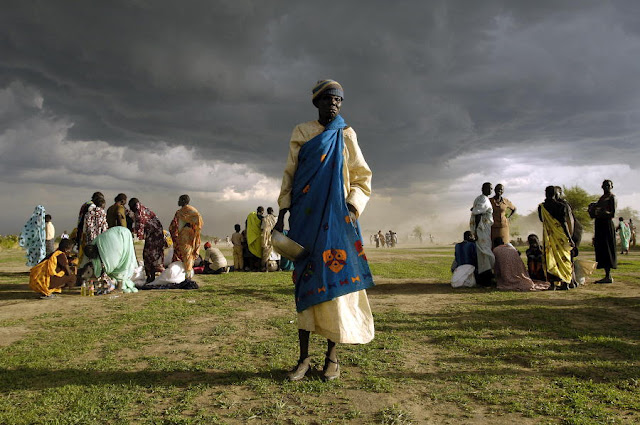
Beebe, a senior Africa analyst for the Department of Defense, and Mary Kaldor, professor at the London School of Economics and Political Science, discussed their new book, The Ultimate Weapon is No Weapon: Human Security and the New Rules of War and Peace, in which they argue for a broader conception of human security. “The world is suffering from a lack of a security narrative,” said Beebe.
“The ultimate weapon is not the F-22,” said Kaldor, “it is a change of mindset.”
Creating Pirates: Threats vs. Vulnerabilities
“What happens when a man is already a fisherman and you take all his fish away? You create a pirate,” said Beebe. The environmental and human security threat of overfishing in Somalia was not taken seriously as a security threat until it was left unchecked for 20 years and developed into a “real kinetic threat” of piracy, he said.Beebe spent a year interviewing 80 to 90 Africans in 13 countries, including military leaders, academics, NGO leaders, and even Somali cabdrivers in the United States, about how they view their security. “What came back was resounding, sobering, and confusing,” said Beebe. Amongst those interviewed, few expressed traditional “kinetic” security concerns stemming from physical threats. Instead it was the “conditions-based vulnerabilities” — such as poverty, health, water and sanitation, gender equality, and climate change — that were identified as primary security threats.
“Until we stop giving Africans and the developing world our definition of what is right for their security and start listening to what they are saying is relevant to their security, we are going to continue to marginalize ourselves,” Beebe said.
Filling The Security Gap
There is currently “a profound security gap,” Kaldor said, and a failure to meet the diverse needs and root causes of violence in much of the developing world. Filling the security void has been an array of both good and bad actors – NGOs, humanitarian agencies, militias, and warlords. If we do not adapt our own security strategies to fill this gap, “it will be filled by someone [else],” Beebe warned.
Human security must be incorporated into our security narrative, Beebe and Kaldor argue in their book, which means addressing the security needs of individuals and communities, not just the state. It also involves protection from violence, material deprivation, and natural disasters. They advocate for more robust global emergency forces that would act as a global national guard or police force.
Integrating Human SecurityPromoting the rule of law domestically and shifting interventions “from a war paradigm to a law paradigm” is crucial, said Kaldor. Furthermore, we must change our mindset so that we value the lives of those in foreign countries as highly as we value American or European lives. “You can’t bomb your own people,” she said.
Our greatest challenge, Beebe explained, is to shift our language from “siloed approaches” to create an interconnected, coherent security narrative. Beebe cited former General Anthony Zinni’s UMC (Ret.) incorporation of environmental security into U.S. Central Command (CENTCOM) strategy during his tenure in the late 1990s as evidence of the possible success of integrated approaches. More recently, the Belgian High Command adopted a human security policy, said Kaldor.
While human security is already being taken into account on the ground, “it is very much organic, rather than institutionalized…we understand that there is an imperative but again it is the security narrative that is lacking,” said Beebe. Only by engaging with individuals and taking their needs into account with a more comprehensive security narrative can we foster lasting and sustainable security, he said.
Photo Credit: “Elderly Woman Receives Emergency Food Aid,” courtesy of flickr user United Nations Photo. -
Energy and Climate Change in the Context of National Security
›“Climate Change and Security,” a short briefing by Paul Rogers of the Oxford Research Group, examines the recent trend of framing climate change in terms of a national security threat and presents some of the pros and cons of this viewpoint. Rogers says the recent uptick in interest by the military is expected – and welcomed – because military planners often perform more long-term analyses than other policymakers. However, Rogers also cautions that the military, in its role as protector of the state, will naturally focus on adapting to the effects of climate change rather than preventing them. Thus, while this willingness to think long-term is appreciated, work remains to convince the international security community of the importance of carbon-cutting measures as well.“Fueling the Future Force: Preparing the Department of Defense for a Post-Petroleum Era,” by Christine Parthemore and John Nagl of CNAS, is a comprehensive policy paper arguing for the U.S. military to aim for the ability to operate all its systems on non-petroleum fuels by 2040. Parthemore and Nagl outline a broad set of recommendations that address DOD’s consumption habits, leadership structure, finances, acquisition process, and mission goals. Notable, in the context of Paul Rogers’ warning, is that the authors’ argument is essentially one of supply and demand, rather than for cutting emissions to reduce the effects of climate change: “…while many of today’s weapons and transportation systems are unlikely to change dramatically or be replaced for decades, the petroleum needed to operate DOD assets may not remain affordable, or even reliably available, for the lifespans of these systems.” -
Israel and Lebanon: New Natural Gas Riches in the Levant
›September 17, 2010 // By Russell SticklorThe Middle East is home to some of the fastest growing, most resource-scarce, and conflict-affected countries in the world. New Security Beat’s “Middle East at the Crossroads” series takes a look at the most challenging population, health, environment, and security issues facing the region.
It doesn’t take much to get Israel and Lebanon at each other’s throats these days, given that the two neighbors engaged in a significant war in 2006. That conflict remains an open wound, as the two sides remain technically at war to this day. Periodic cross-border flare-ups — most recently over the cutting down of a tree on their shared border, which left one Israeli and three Lebanese dead — show neither side has to be pushed far to trigger an outbreak of violence.
In recent months, a new wrinkle — and a new source of potential conflict — has been added to bilateral relations, with the discovery of significant natural gas reserves under Mediterranean waters off both countries’ coasts. The find has sparked a scramble from Beirut and Jerusalem, as the two energy-hungry nations look to capitalize on the deposits and exploit the reserves. For both Israel and Lebanon, developing the natural gas potential of this swath of the eastern Mediterranean could augment energy supply, and even pave the way to a greener energy future. But fears of a military stand-off over the resource lurk just around the corner, given that much of the extractable natural gas in question lies under contested waters.
Maritime Border Undefined
The U.S. Geological Survey estimates the recoverable amount of natural gas reserves, which lie in an area known as the Levant Basin Province, to be 122 trillion cubic feet (tcf). While not a huge find by global standards — the world consumed 110 tcf of natural gas in 2008 — the discovery is a potential game-changer in terms of the energy security of both Israel and Lebanon. According to the U.S. Energy Information Administration, in 2007 Israel produced only four percent of the total energy it consumed, while Lebanon generated just three percent of the energy it used. With the natural gas bonanza, not only would the two countries become more self-sufficient in meeting their own domestic energy needs, there is also speculation they could even one day become natural gas exporters.
The question that is only now beginning to be addressed is who controls what. Under the UN Convention on the Law of the Sea, every coastal country has an exclusive economic zone (EEZ) that extends 200 miles off its shoreline. But in certain bodies of water, EEZ territorial claims have overlapped, with one of those areas disputed being the Mediterranean.
At this point, much of the known reserves appear to lie firmly in Israeli territorial waters, one of the reasons Israel has outpaced Lebanon in moving to drill for the resource. But Lebanese leaders — long concerned about the prospect of Israel infringing upon Lebanon’s sovereignty — have sounded the alarm, claiming that a substantial amount of the reserves may lie in Lebanese territorial waters. Further complicating matters is the fact that the two countries’ maritime border has remained unfixed since the end of the 2006 war, meaning that each country could have a legitimate claim that the other is trespassing on its sovereign territory in pursuit of the gas.
Hinting at a Physical Confrontation
The stakes appear high. In a recent interview with The New York Times, Ali Hamdan, an assistant to Lebanese Parliament speaker Nabih Berri, issued a strong-worded statement on potential Israeli drilling in disputed waters. “Lebanon fears that Israel, based on its history of occupying our lands and stealing our water, will drill in Lebanon’s waters and steal its natural resources,” Hamdan asserted. “Lebanon strongly warns Israel from drilling its natural gas. It will not tolerate violations of its sovereignty.”
In recent weeks, the Lebanese government has also taken steps to secure what it can, announcing plans to start doling out contracts for underwater exploration of the Levant Basin Province’s natural gas and oil reserves. Beirut is also putting together documents outlining what it considers to be the actual Israeli-Lebanese maritime border, which it plans to submit to the UN Security Council for consideration.
For its part, Israel has pledged that it will be drilling for natural gas only in waters under its control. At the same time, however, the country has refused to back down to Lebanese threats against its natural gas development activities and infrastructure, warning that it will not hesitate to meet force with force. The posturing reveals how strategically important the exploitation of the gas reserves is for both countries. With Lebanon’s population expected to grow by some 400,000 between 2010 and 2025, and Israel’s population projected to grow by 1.8 million in the same time period, there is an acute awareness in both Beirut and Jerusalem that energy demand will be rising in the near future.
A “Bridge Fuel” to a Cleaner Energy Future?
Despite the very real conflict potential of the new natural gas find, the presence of significant reserves in the eastern Mediterranean has also been the cause for limited optimism. In addition to helping ease the oil- and coal-dependence of Israel, Lebanon, and their neighbors, the heightened integration of natural gas into the region’s energy infrastructure may help substantially cut down on carbon emissions, since natural gas is the cleanest-burning fossil fuel. (In 2008, Israel and Lebanon pumped 70.21 metric tons and 14.37 metric tons of carbon dioxide into the atmosphere, respectively, owing largely to their heavy reliance on coal and petroleum.)
Natural gas is also a versatile energy source for electricity production that can be used by the region’s households, businesses, and factories alike. As a result, not only could natural gas’s rising profile in Israel and Lebanon’s respective energy portfolios help improve air quality, it could also accelerate the development of low-polluting, natural gas–fueled automobiles and public transit.
But even given such environmental benefits, the environmental picture is not all rosy. The underwater extraction of natural gas poses potentially severe risks to the maritime environment, one of the reasons that Israelis living in the northern part of the country have steadfastly opposed any potential drilling. (Another source of local residents’ concern has been that the physical infrastructure needed to harvest, store, and later distribute natural gas overland could prove a highly attractive target for Hezbollah-linked militants based in Lebanon.)
In the end, drilling for natural gas in the eastern Mediterranean by both Israel and Lebanon will undoubtedly move forward. The real question is whether given the controversy already unleashed by the Levant Basin Province reserves, Israel and Lebanon will eventually find it in their own enlightened self-interests to strike an accord on developing the region’s natural gas — or instead unleash missiles to protect what they consider rightfully theirs.
Sources: Center for American Progress, Earth Times, National Public Radio, New York Times, Population Reference Bureau, U.S. Energy Information Administration, U.S. Geological Survey, Washington Post, Yalibnan.com.
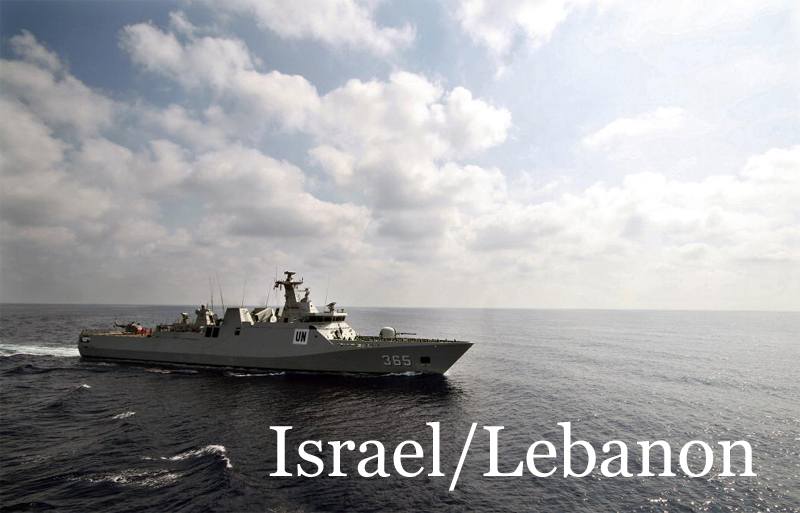
Photo Credit: “UNIFIL Vessel Patrols Lebanese Coast,” courtesy of flickr user United Nations Photo. -
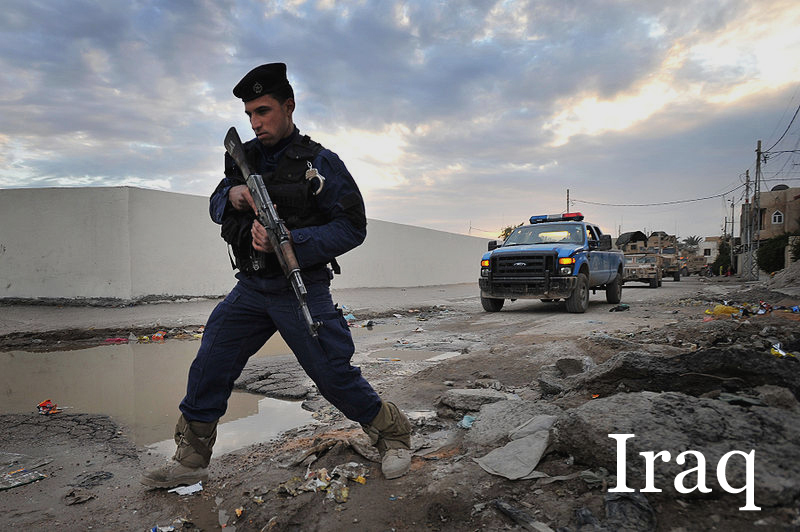
Water, Power, Trash, and Security: Interview with Mishkat Al Moumin, First Iraqi Minister of the Environment
›August 31, 2010 // By Schuyler NullAs the final American combat brigade pulls out of the country, the prevailing opinion in the United States about Iraq at the moment seems to be one of “bad politics are better than no politics,” and that despite continued violence (albeit significantly lessened from 2006-2007 levels), the American mission is largely finished. However, serious challenges remain, one of the most significant being the government’s continued inability to supply basic services to a growing population.
-
Derek S. Reveron, The New Atlanticist
When National Security Overlaps With Human Security
›August 24, 2010 // By Wilson Center StaffThe original version of this article appeared on the Atlantic Council’s New Atlanticist blog. By Derek S. Reveron.
For the second time this year, naval forces have been involved in major operations that have little to do with combat at sea. Instead, Sailors and Marines operating from dozens of warships have responded to natural disasters.
Earlier this year in Haiti, traditional warships delivered food, water, and medical supplies. On amphibious ships, the large flight decks designed to move Marines ashore via helicopters proved to be temporary airports for search and rescue teams; medical facilities designed to treat wounded infantry became floating clinics for sick and injured civilians. The use of naval ships as airports, hospitals, or as refugee camps must be temporary, but in a crisis, temporary relief is what is necessary.
Similar uses of militaries are occurring in response to flooding in Pakistan and wildfires in Russia today. NATO is planning and executing responses to alleviate human suffering created by natural disasters, which are certainly non-traditional.
But militaries around the world are being called to serve their people and others in distress. Increasingly, militaries are including humanitarian assistance and disaster relief as a core concept in how they train, equip, and organize. Militaries have reluctantly embraced these new roles because their governments expect them to provide responses to humanitarian crises, support new partners, and reduce underlying conditions that give rise to instability.
At the same time that military aircrews rescue stranded people or military engineers erect temporary housing, critics worry that development is being militarized. But, they miss the larger point that military equipment like helicopters, medical facilities, and logistic hubs are necessary for providing humanitarian assistance during a crisis. Additionally, NGOs increasingly partner with militaries in North America and Europe because militaries have the capacity to reach populations in need where NGOs can deliver their services.
Given the real stress on militaries created by operations in Iraq and Afghanistan, these non-traditional operations are not needed to prove relevance for militaries in a difficult fiscal period. Instead, the inclusion of humanitarian assistance in military doctrine are driven by countries’ national strategies that increasingly link human security and national security. As I wrote in Exporting Security: International Engagement, Security Cooperation, and the Changing Face of the U.S. Military, militaries are being directed to be involved in humanitarian operations.
Far from preparation for major war, humanitarian activities rely on a unique blend of charitable political culture, latent civil-military capacity, and ambitious military officers who see the strategic landscape characterized by challenges to human security, weak states, and transnational actors. Further, changes are informed by international partners that conceive of their militaries as forces for good and not simply combat forces. The United States has been slow to catch up to European governments that see the decline of coercive power and the importance of soft power today.
This change is not only about the state of relations among governments today, but also the priority of human security. Security concerns over the last twenty years have been shifting away from state-focused traditional challenges to human-centered security issues such as disease, poverty, and crime. This is reflected in the diversity of ways by which NATO countries protect their national security. While there are remnants of Cold War conflicts on the Korean Peninsula and in the Persian Gulf region, these are largely the exception. Instead, sub-national and transnational challenges increasingly occupy national security professionals.
Within the United States, the government has embarked on a program to illustrate that its military superpower capabilities can be used for good. The same capability that can accurately drop a bomb on an adversary’s barracks has been used to deliver food aid in the mountains of Afghanistan. The same capability used to disembark Marines from Navy ships to a foreign shore have been used to host NGOs providing fisheries conservation in West Africa. And the same capability to track an enemy’s submarines can detect changes in the migration of fish stocks in response to climate change. To be sure, swords haven’t been beaten into plowshares, but military capabilities once used for confrontation are now used for cooperation.
Derek S. Reveron, an Atlantic Council contributing editor, is a Professor of National Security Affairs and the EMC Informationist Chair at the U.S. Naval War College in Newport, Rhode Island.The views expressedare his own and do not reflect those of the Navy or the U.S. government.
Photo Credit: “100304-F-2616H-060” courtesy of flickr user Kenny Holston 21. -
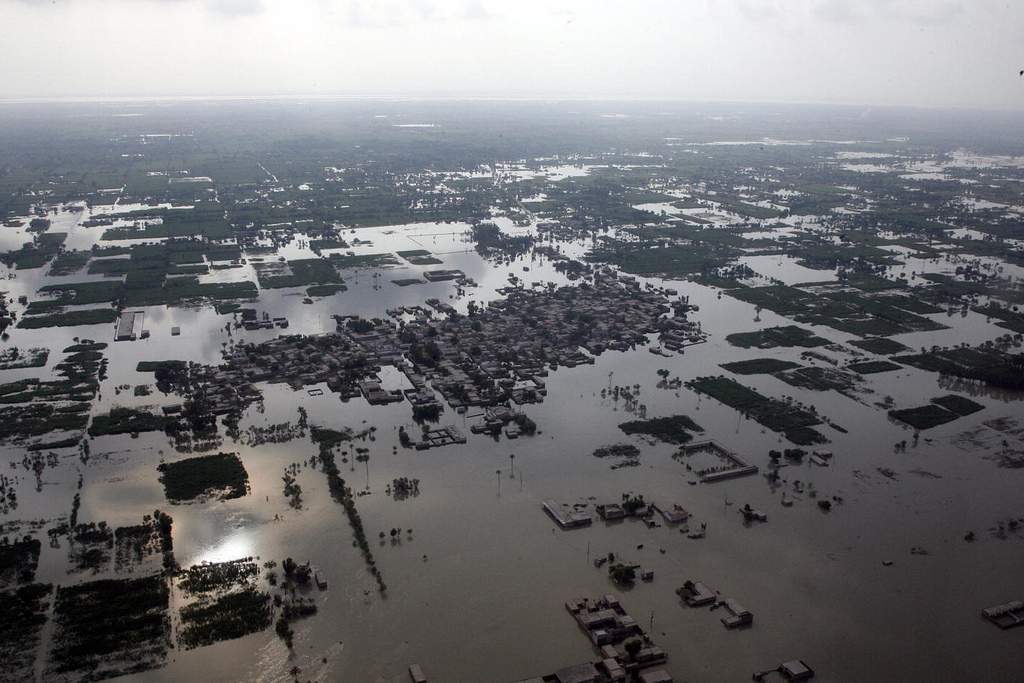
Historic Floods Plague Pakistan
›August 19, 2010 // By Shawna Cuan“Staggered by the scale of destruction from this summer’s catastrophic floods, Pakistani officials have begun to acknowledge that the country’s security could be gravely affected,” reports the Washington Post. The Pakistani government – already cash-strapped between fighting “the war on terror” and trying to prevent an economic collapse – now faces recovering from the worst flooding in over 80 years.
-
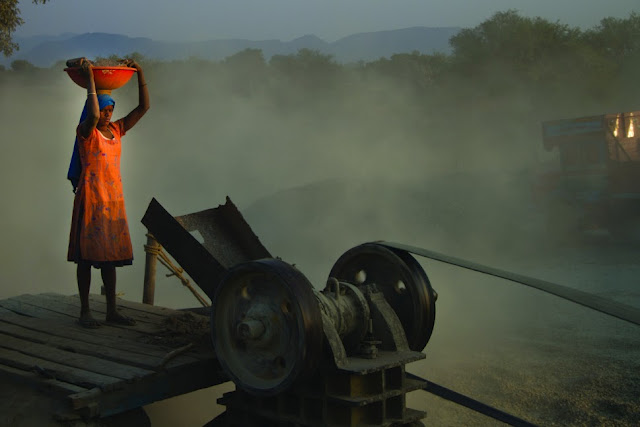
Fire in the Hole: A Look Inside India’s Hidden Resource War
›August 18, 2010 // By Schuyler NullThis month’s Foreign Policy has two features on India’s ongoing internal conflict with Maoist and tribal rebels – perhaps the least known insurgency and resource conflict in the world.
Showing posts from category military.