

-
The 2024 Montreal Climate Security Summit: Four Takeaways
›
“I think we need to approach climate security completely differently,” said Sharon Burke, Founder and President of Ecospherics and Wilson Center Global Fellow, at the recent 2024 Montreal Climate Security Summit. “It’s not just that climate change is an opportunity cost in combat power, or that it’s effecting our bases and operating environment, or that it is an accelerant to instability. It is itself the threat.”
-
The Story Behind Climate Security and What it Means for US Foreign Policy
›
Hurricanes Helene and Milton battered the southeastern US in September and October and caused a combined estimate of $300 billion in damages. These storms were only the latest example of a cascade of disasters that is expected to worsen as climate change intensifies. Yet the impacts do not stop at dollars and human lives. Threats to security and stability also will multiply as rising temperatures increase the variability of rainfall patterns and the intensity of storms.
-
ECSP Weekly Watch | September 3 – 6
›A window into what we’re reading at the Wilson Center’s Environmental Change and Security Program
Proliferation of Icebreakers in the Arctic (Foreign Policy)
As climate change-induced melting of ice sheets clears new pathways, the fast-melting Arctic now has a new strategic race: icebreakers. Russia covers over half of what is defined as “Arctic” territory, and it has the largest number of icebreakers in the region. Russia’s attempt to consolidate and expand has led the US and its NATO allies to redefine their own Arctic security strategy.
-
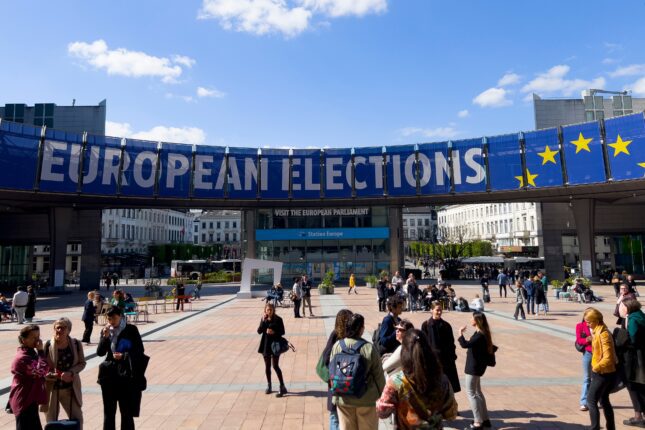
Climate Security and Europe’s Greens: A Match Made in Political Heaven?
›When Luxembourg’s Green Party was offered the defense portfolio in coalition talks after performing strongly in the country’s 2019 elections, its senior members faced a dilemma. Never before had a party of its political stripe held that brief anywhere in the world.
Some of the Green rank and file, drawn from pacifist backgrounds, seemed uncertain as to what to make of it all. But to François Bausch, the Green politician who ultimately took on the roles of defense minister and deputy prime minister there, the answer seemed obvious. Here was an opportunity for the party to advocate for climate security from a highly relevant perch, all while showing voters that it could be trusted with such strategic concerns.
-
The US Department of Defense’s Role in Integrating Climate Change into Security Planning
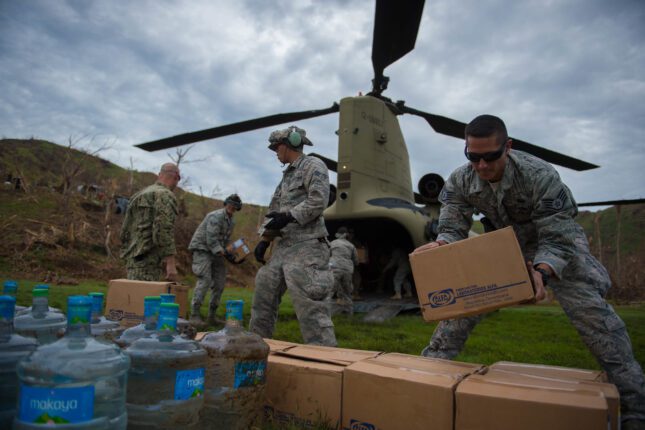
›The recent floods and landslides in Brazil, displacing almost 100,000 and killing at least 100, reminds us that climate change-fueled extreme weather, combined with an intense El Niño, is a deadly combination. Governor Eduardo Leite of the southern Brazilian province, Rio Grande du Sol, described the devastation the region was subjected to as “unprecedented.” As President Luiz Inacio Lula da Silva noted: “We need to stop running behind disasters. We need to see in advance what calamities might happen and we need to work.”
-
Beyond Complicity, Obstruction and Geopolitics: Military Forces and Climate Security
›The contentious and ambiguous entanglement that military forces have with their natural environment inevitably sparkles public interest and academic research. So how does the existing scholarly work inform our assessment of this convergence?
-
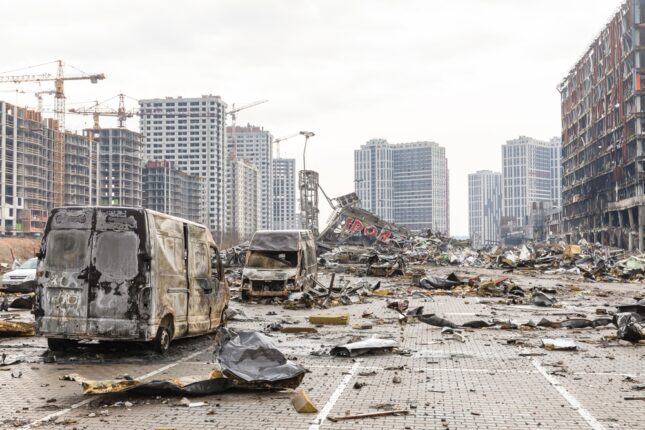
Clearing War Debris Can Help Ukraine Move Forward
›When Russia launched its brutal invasion of Ukraine on February 22, 2024, Western nations supported Ukraine with military and financial aid. But over two years, the cost of the war has been devastating—not only in terms of lives lost, and injuries sustained, but also in the number of buildings destroyed. According to some estimates, more than 150K structures have been damaged in the conflict.
-
Relief, Recovery, and Peace: A Follow-up Interview with DAS Iris Ferguson
›In today’s episode of New Security Broadcast, ECSP Program Director Lauren Risi follows up with Iris Ferguson, the US Department of Defense’s (DoD) Deputy Assistant Secretary of Defense for Arctic and Global Resilience, on their previous conversation previewing the DoD delegation to COP28.Deputy Assistant Secretary Ferguson discusses her takeaways from COP28 and the importance of listening to stakeholders outside the Pentagon. She also outlines some of DoD’s key energy and climate security priorities in 2024.
Showing posts from category military.


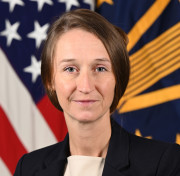 In today’s episode of New Security Broadcast, ECSP Program Director Lauren Risi follows up with Iris Ferguson, the US Department of Defense’s (DoD) Deputy Assistant Secretary of Defense for Arctic and Global Resilience, on their previous conversation previewing the DoD delegation to COP28.

