-
Sexual Violence Beyond the Warzone, and the Relationship Between Child Marriage and Fragile States
›
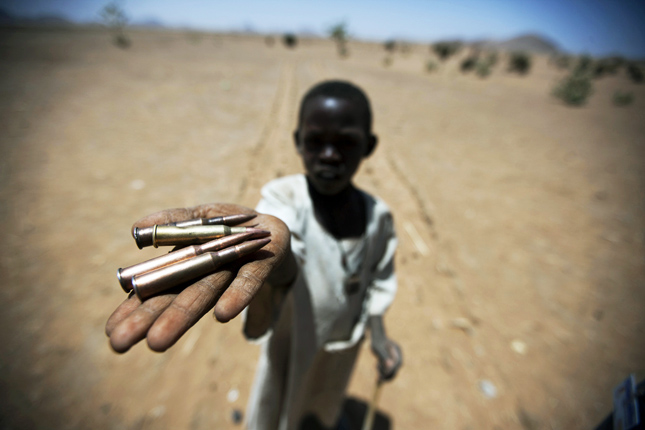
Two recent reports reaffirm the particular vulnerability of women and children in disasters, conflicts, and fragile states, but also highlight gaps in common perceptions of their experiences.
-
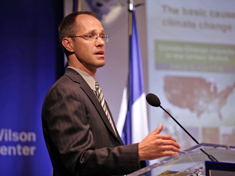
Ian Kraucunas on Bridging the Science-Politics Divide for Climate Change
›
“Climate change is not just a far-away thing that affects far-away people,” says Ian Kraucunas, deputy director of atmospheric sciences and global change at the Pacific Northwest National Laboratory in this week’s podcast. “It affects things people here in the U.S. care about – and, in fact, that includes national security.”
-
National Security and the Accelerating Risks of Climate Change (Report Launch)
›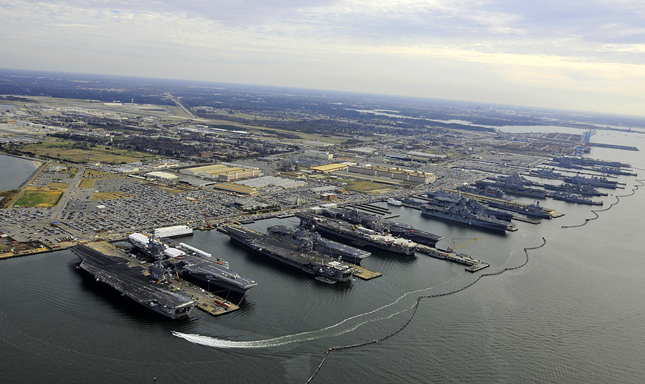
Climate change poses a serious threat to U.S. national security and is becoming a “catalyst for conflict” in vulnerable countries, according to a panel of retired military leaders speaking at the Wilson Center on May 15. [Video Below]
-
Among Climate Threats, Military Leaders See Population Growth, Natural Resources as Key Factors
›May 22, 2014 // By Kathleen MogelgaardIn 2007, an influential analysis by 11 retired generals and admirals characterized climate change as a “threat multiplier” that could aggravate the conditions for conflict. Last week, in a follow-up report launched at the Wilson Center, members of the CNA Corporation’s Military Advisory Board framed climate change as a more direct and immediate risk, calling it a “catalyst for conflict.”
-
New Report From Military Leaders Calls Climate Change “Catalyst for Conflict”
›Military leaders should be very concerned about climate change – that’s the message of a new report released this week by the CNA Corporation’s Military Advisory Board.
-
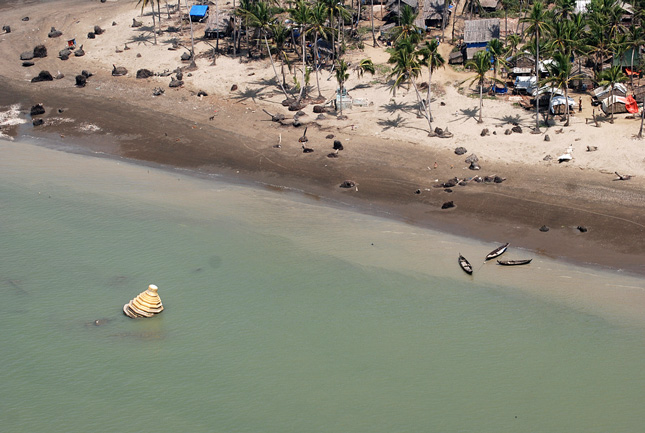
Not There Yet: Burma’s Fragile Ecosystems Show Challenges for Continued Progress
›Political and economic changes in Burma have been as rapid as they are surprising. In just three years, the country has gone from an isolated military dictatorship to a largely open country that is at least semi-democratic and has formally adopted a market economy. Both the European Union and the United States have eased economic sanctions, and dozens of foreign firms have moved in. Foreign direct investment increased by 160 percent in 2013 alone.
-
Water Wars? Think Again: Conflict Over Freshwater Structural Rather Than Strategic
›The global water wars are almost upon us!
At least that’s how it seems to many. The signs are troubling: Egypt and Ethiopia have recently increased their aggressive posture and rhetoric over the construction of the Great Ethiopian Renaissance Dam in the headwaters of the Blue Nile, Egypt’s major artery since antiquity. India continues to build new dams that are seen by its rival Pakistan as a threat to its “water interests” and thus its national security. Turkey, from its dominant position upstream, has been diverting the Tigris and Euphrates rivers and increasing water stress in the already-volatile states of Iraq and Syria.
-
In Quest to Understand Climate Change and Conflict, Avoid Simplification
›As the war in Syria shows no signs of letting up, a recent article in Middle Eastern Studies put forward the hypothesis that the brutal conflict was triggered by government mismanagement of the country’s recent drought, which lasted from 2006 to 2010. It’s a story we’ve heard before.
Showing posts from category military.