-
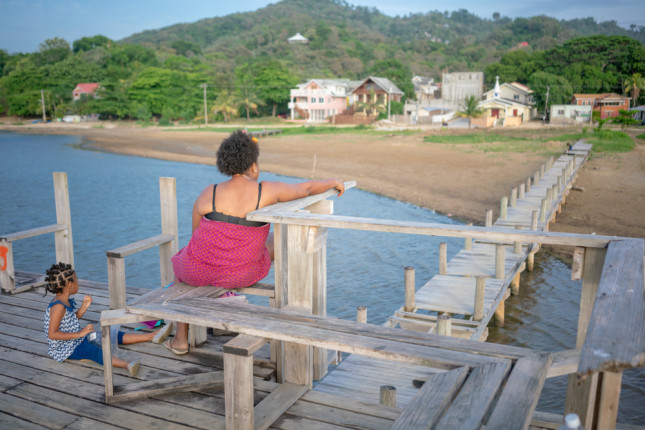
Harnessing the Power of ‘Other’: Cities Where Human Mobility is not a Threat
›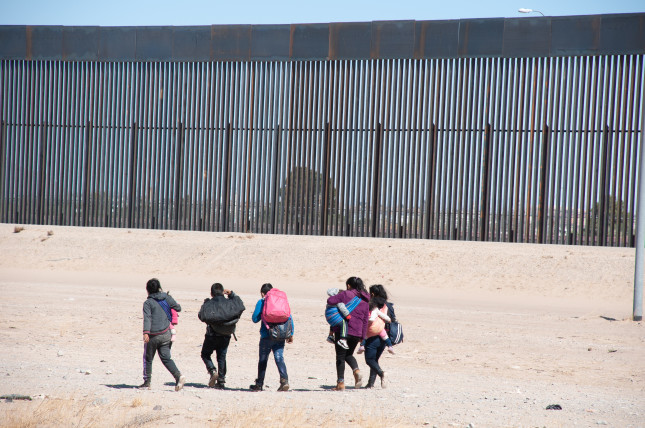
“This is not the refugee wave we have been used to, people we were not sure about their identity, people with unclear pasts, who could have been even terrorists. In other words, there is not a single European country now which is afraid of the current wave of refugees.”
-
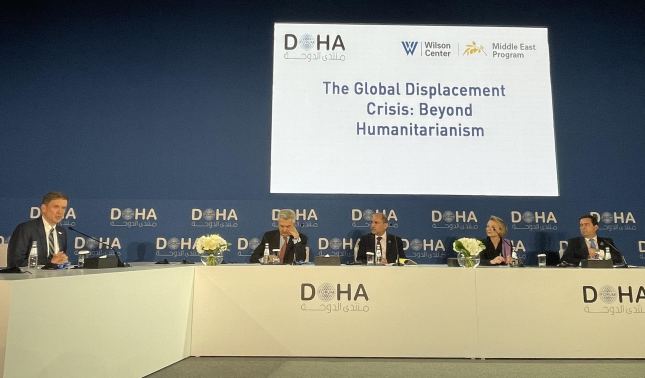
“We are so worried we are going to be forgotten”—A Doha Forum Discussion on the Global Displacement Crisis
›
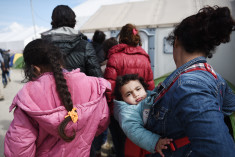
The humanitarian needs for those who are displaced are unprecedented, said Amb. Mark Green, President of the Wilson Center and former USAID Administrator, at a Doha Forum panel hosted by the Wilson Center’s Middle East Program.
-
Climate Resilience for Whom? The Importance of Locally-Led Development in the Northern Triangle
›“One of the challenges of responding to climate risks is that climate’s impacts and how those impacts interact with existing systems on the ground are so varied and specific to a given place,” said Lauren Risi, Director of the Wilson Center’s Environmental Change & Security Program, at a recent PeaceCon conference panel on climate change, violence, and migration in Central America. “But there is also an opportunity in how we respond to develop more agile, just, and sustaining programs and policies that go beyond a singular focus on responding to climate change and instead build the overall resilience of communities.”
-
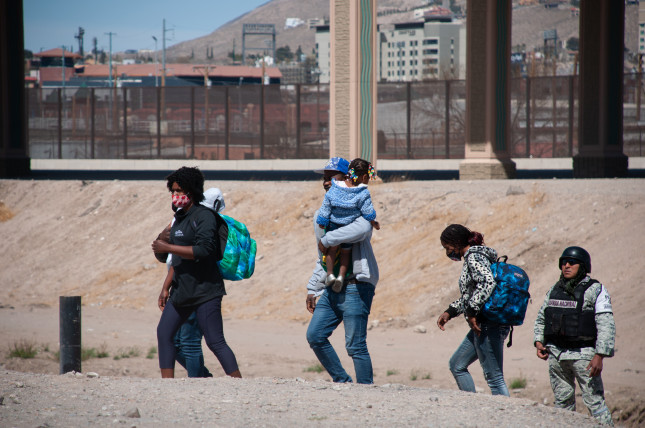
Tethering to Human Rights in the Pushes and Pulls of Human Mobility
›“In the movement toward complex solutions, at the heart of it all we’re talking about individuals with their own complex issues as they are moving through different scenarios,” said Shanna McClain, Disasters Program Manager with the National Atmospheric and Space Administration, at last month’s International Conference on Environmental Peacebuilding. The panel discussion, “Resource Implications of Human Mobility and Migration,” focused on what data shows—and doesn’t show—are the complex linkages between climate, conflict, and mobility. Panelists discussed how more integrated programming and policy actions are needed to make migration safe, orderly, and voluntary, and how to keep human rights at the center of the complex processes.
-
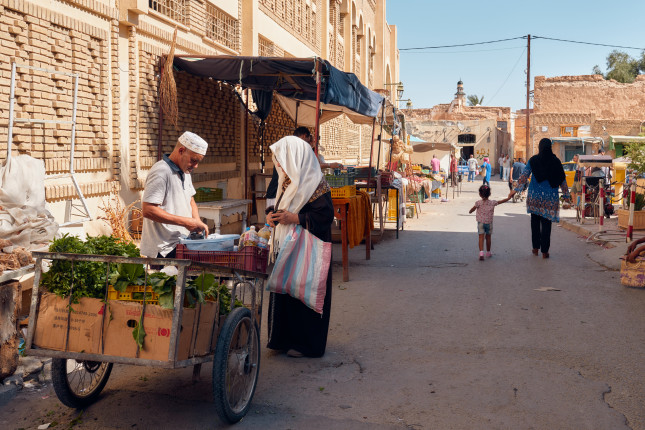
Migrating to Adapt to Climate Change, Tunisians Lose Their Way of Life
›“After a series of poor harvests, limited rainfall, and an increase in the price of fertilizer, farm work has become unprofitable,” said Lazher, a fellah (agricultural laborer) from Tataouine in the rural south east of Tunisia. The 45-year-old had worked the land for half his life, even dropping out of school early to support his young family. However, when I met Lazher in December 2021, he was making the final arrangements to migrate to Tunisia’s capital, Tunis, in search of better job opportunities. Now, with diminishing local opportunities for agricultural work and few local companies that might hire unemployed laborers, Lazher secured work in one of Tunis’s many dried fruit shops called hamas.
-
COVID-19 Pandemic Exacerbates Violence Against Refugee Women and Girls
›Currently, refugee women and girls are facing three concurrent crises: their ongoing humanitarian crisis, the health crisis of the COVID-19 pandemic, and the invisible crisis of gender-based violence (GBV). COVID-19 has severely worsened various dimensions of inequality for refugee women and girls. A 2020 report found that 73 percent of forcibly displaced women interviewed across 15 African countries reported elevated cases of domestic or intimate partner violence due to the pandemic. In addition, 51 percent reported sexual violence and 32 percent observed a rise in early and forced marriages.
-
Security Implications of Asia Pacific States’ Restrictions on Internal Migration
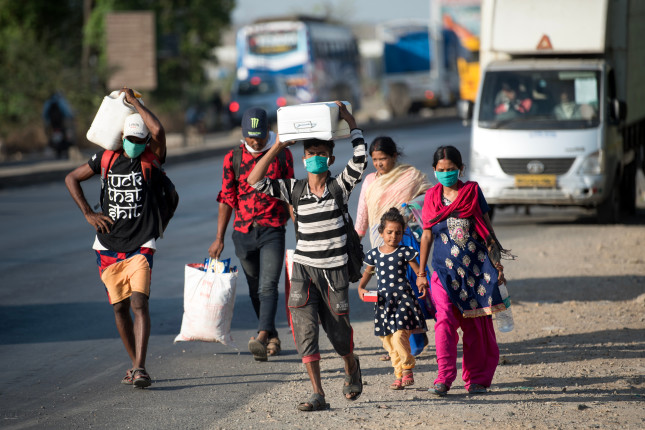
›As the COVID-19 pandemic reached all corners of the world, countries rapidly introduced a series of containment policies to stop its spread, including school and workplace closures, restrictions on gathering size, and limits to population movement. In contrast to complete or partial border closures for foreign nationals, restrictions on population movements within one’s country have received much less attention, despite the fact that most countries introduced restrictions on internal migration during the pandemic in the form of bans on inter- or intra-provincial travel, or partial or complete lockdowns. With over 300 million internal migrants in India and 261 million in China (out of an estimated 760 million internal migrants worldwide), these barriers to mobility are particularly acute in Asia. But are they effective?
-
New Wilson Quarterly Features Expert Insights on Climate Migration
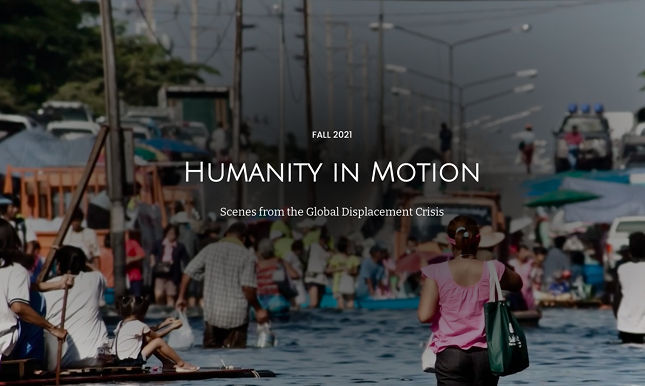
›“Supporting the talents and potential of the refugees of today could lead to empowering the scientists, leaders, and innovators of the future. Instead of a lost generation, we have the opportunity to build a thriving generation full of promise,” says Abdullah II Ibn Al Hussein, King of the Hashemite Kingdom of Jordan, in the forward of the Fall Wilson Quarterly (WQ), “Humanity in Motion: Scenes from the Global Displacement Crisis.”
Showing posts from category migration.