-
How We Birth Babies Makes It Hard to Breastfeed
›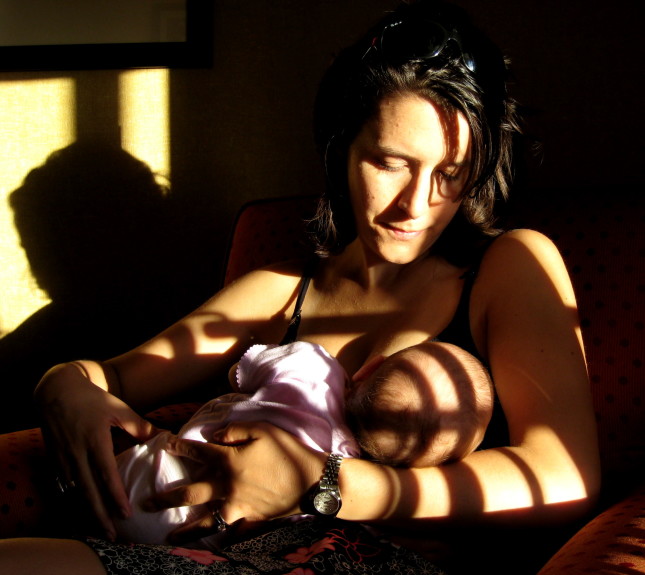
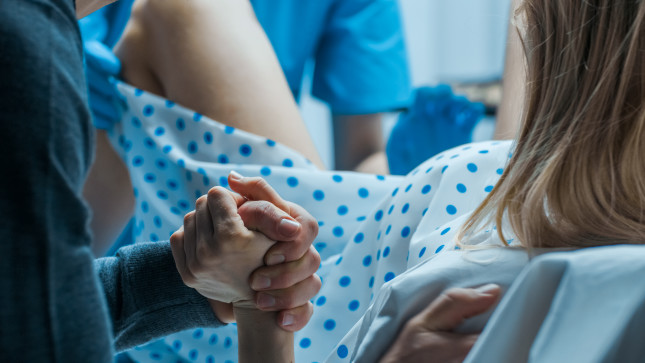
Breastfeeding may seem natural. Yet many women find it hard to get off to a good start with breastfeeding. Sharp decreases in breastfeeding rates around the world reflect this continuing challenge. While most women still choose to breastfeed, many ultimately feel they have no other choice than to stop breastfeeding earlier than anticipated. In the UK, 80 percent of mothers surveyed said they stopped breastfeeding before they wanted to. Many women describe shattered expectations, feelings of deep sadness, guilt, and anger from their breastfeeding experience.
-
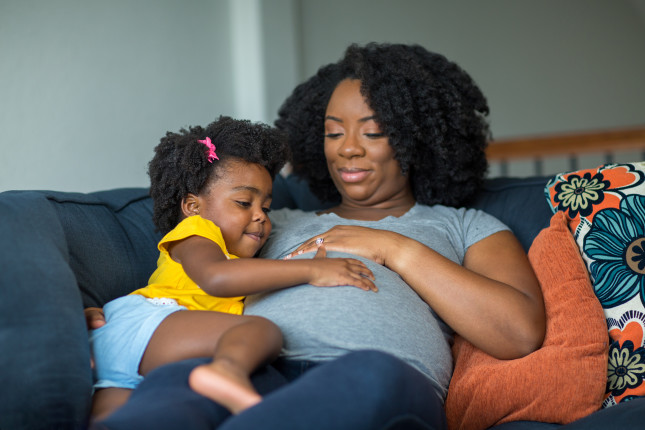
Black Maternal Health Week 2021 Achieves Historic White House Recognition
›
“This week is Black Maternal Health Week, and make no mistake, Black women in our country are facing a maternal health crisis. Black women are two to three times more likely to die in connection with childbirth than other women. We know the primary reasons why—systemic racial inequities and implicit bias,” said Vice President Kamala Harris at a White House Roundtable she hosted with Ambassador Susan Rice in honor of Black Maternal Health Week. The event was the first event of its kind at the White House—Black women who have experienced loss and complications during pregnancy, childbirth, and postpartum were invited to share their experiences and their work in Black maternal health advocacy and research.
-
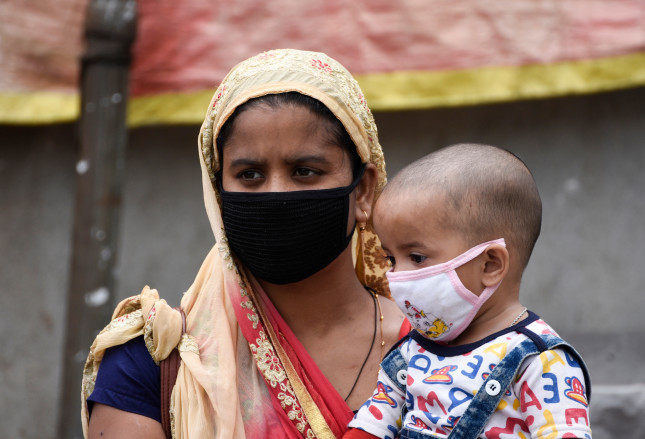
COVID-19 Causes Dire Disruptions in Maternal, Child, and Reproductive Health Services
›“The pandemic has undoubtedly resulted in more deaths and more illness – particularly for the most vulnerable women and children,” write the authors of a new United Nations International Children’s Emergency Fund (UNICEF) report examining the direct and indirect effects of the COVID-19 pandemic in South Asia. The report found that the disruptions in several essential health services due to the COVID-19 pandemic had a “substantial impact” on maternal and child mortality in the region.
-
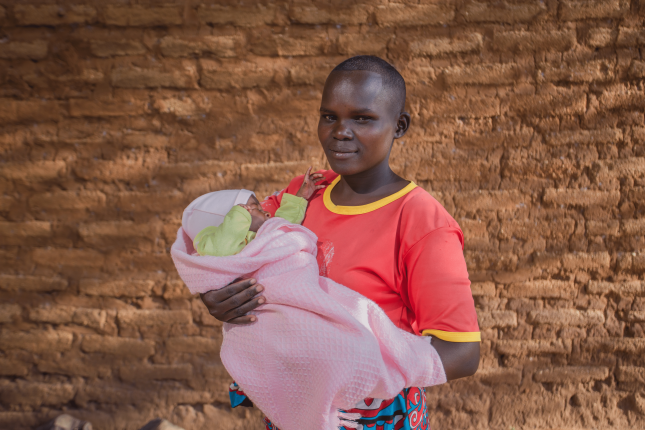
Ensuring Essential Health Care for Mothers and Newborns During the Pandemic
›Africa in Transition // Covid-19 // Dot-Mom // Guest Contributor // March 24, 2021 // By Koki AgarwalJoyce Makasi, a young woman in Kambiti village, Kitui County, Kenya, went into labor with her second child one afternoon in December 2020. She had just enough money to hire a motorbike to take her to nearby Waita health center. At the facility, the clinical officer and nurse told her she would need a cesarean delivery. It wouldn’t be her first cesarean, but COVID-19 presented new obstacles.
-
Overlapping Crises: Gender-Based Violence, Maternal Mental Health, and COVID-19
›According to the World Health Organization, 1 in 3 women in the world will experience physical or sexual violence during their lifetime. Intimate partner violence is the most common form of violence, impacting an estimated 641 million women worldwide. Lockdowns and disruptions in access to support services due to the COVID-19 pandemic have exacerbated the prevalence of gender-based violence (GBV).
-
COVID-19’s Pregnancy Paradox: Greater Disease Risk but Lower Vaccine Priority
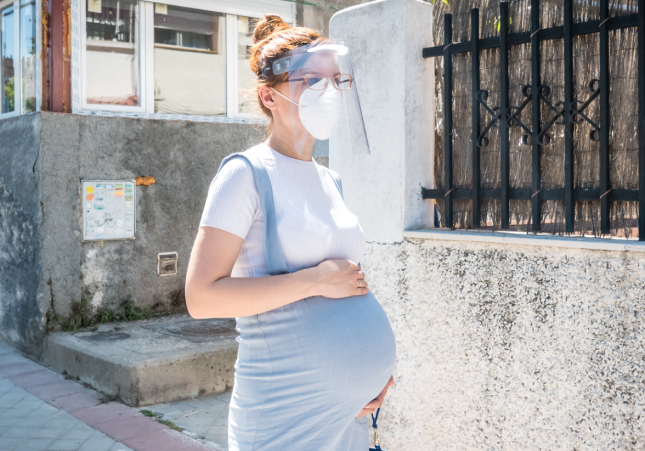
›“Greater attention to pregnant patients as a unique population at higher risk of SARS-CoV-2 infection sequelae, is critical to preventing maternal and neonatal morbidity and mortality,” write the authors of a study in the American Journal of Obstetrics and Gynecology examining morbidity and mortality among pregnant women with COVID-19 in Washington state. The study found “markedly higher” hospitalization and fatality rates among this group compared with similarly-aged non-pregnant individuals.
-
Reviving Culture Through First Nations Midwifery
›“It’s more than just clinical care. It’s cultural. It’s connection to country. It’s connection to land. It’s all of those things that are important to the woman and family, kinship, babies,” says Mel Briggs, a First Nations midwife in Australia, speaking about the importance of Aboriginal midwifery in this week’s Friday Podcast. Like her great-grandmother, Briggs followed the call to midwifery and finds joy in helping women and families “create really healthy, chunky, fat babies.” -
Turning Applause into Action: Investing in Women Leaders in Nursing and Midwifery
›“Midwives and nurses contribute to the health of women, families, communities, and society at large, but the impact of their care goes much further… Their care is transformational,” said Diene Keita, Deputy Executive Director for Programmes at UNFPA. She spoke at a recent event hosted by Women in Global Health, which virtually convened nurses and midwives from around the world to celebrate 100 outstanding women nurse and midwife leaders from over 50 countries. The event occurred in honor of the Year of the Nurse and the Midwife, as designated by the World Health Organization (WHO). The list of 100 leaders is the first global recognition of its kind and commemorates women’s unique stories of resilience, leadership, and hard work.
Showing posts from category maternal health.
 “It’s more than just clinical care. It’s cultural. It’s connection to country. It’s connection to land. It’s all of those things that are important to the woman and family, kinship, babies,” says Mel Briggs, a First Nations midwife in Australia, speaking about