-
Engaging Marginalized Groups is Essential to Achieving Universal Health Coverage
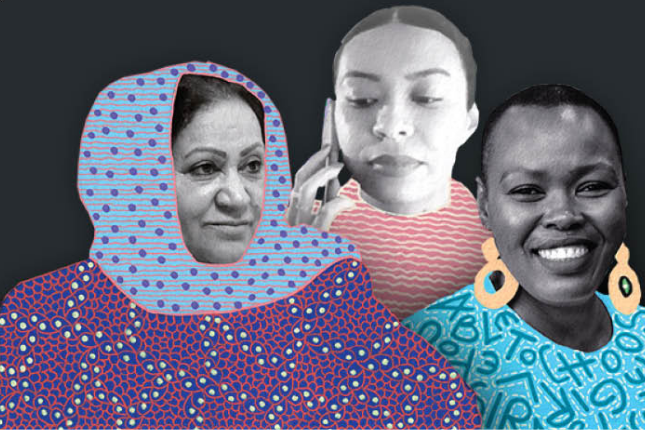
› Too often, many in my community are excluded from sexual and reproductive health services, said Ruth Morgan Thomas, co-founder and Global Coordinator of the Global Network of Sex Work Projects, in today’s episode of Friday Podcasts. This episode features highlights from a recent Wilson Center and UNFPA event where Thomas and Zandile Simelane, an HIV Youth Advocate from Eswatini, address the barriers that their respective communities—sex workers and HIV positive youth—face in accessing sexual and reproductive health (SRH) services and universal health coverage (UHC).
 -
We Have to Put the Last Mile First: Ensuring Sexual and Reproductive Health for All
›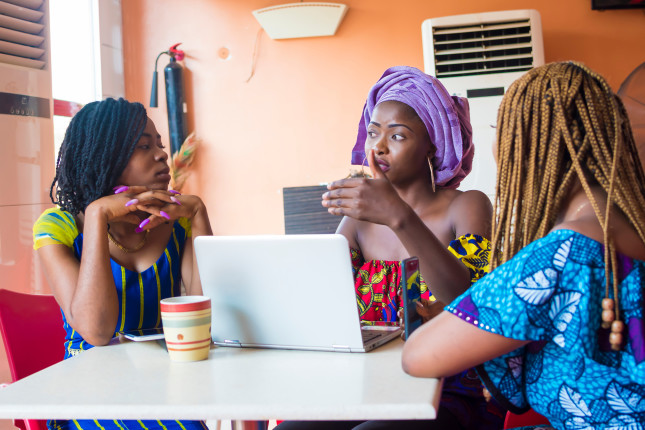
Whether marginalized populations, such as adolescents, LGBTQ+ people, migrant workers, and sex workers are included in health services can be a “litmus test” of our progress towards universal health coverage (UHC), said Sivananthi Thanenthiran, Executive Director of Asian-Pacific Resource and Research Centre for Women (ARROW). Thanenthiran spoke at a recent Wilson Center event with the United Nations Population Fund (UNFPA) and the World Health Organization (WHO) Department of Sexual and Reproductive Health and Research about the importance of engaging stakeholders in sexual and reproductive health (SRH) to achieve UHC for all. In SRH services, the most marginalized and most vulnerable populations are often left out, she said. When engaging stakeholders, representatives from these groups must be included to ensure equity in healthcare services.
-
The Cost of Care: How the COVID-19 Pandemic Has Exacerbated the Baby Bust
›The decision to have a child usually requires a feeling of stability and confidence in the future, says Natascha Braumann, Director of Global Government and Public Affairs for Fertility at EMD Serono, on this week’s episode of Friday Podcasts. But with COVID-19, especially in the first months of the pandemic, there was no feeling of stability. “No one knew what was going to happen.” -
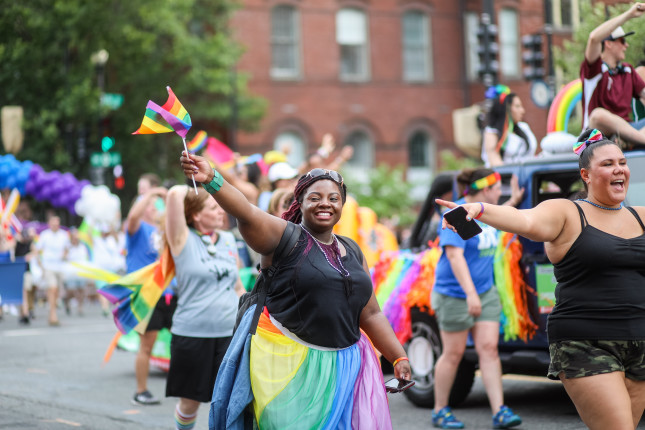
Beyond Pride: Ensuring Affirming, Respectful Sexual and Reproductive Healthcare for LGBTQ+ Communities
›In June 1969, the Stonewall Uprising in Manhattan served as a critical tipping point for the Gay Liberation Movement in the United States. Each June, communities around the world celebrate Pride Month to honor this struggle and continue fighting for a more equal future. More than 50 years after Stonewall, Lesbian, Gay, Bisexual, Transgender, and Queer or Questioning (LGBTQ+)* people in the United States struggle to access culturally competent and respectful sexual and reproductive health care.
-
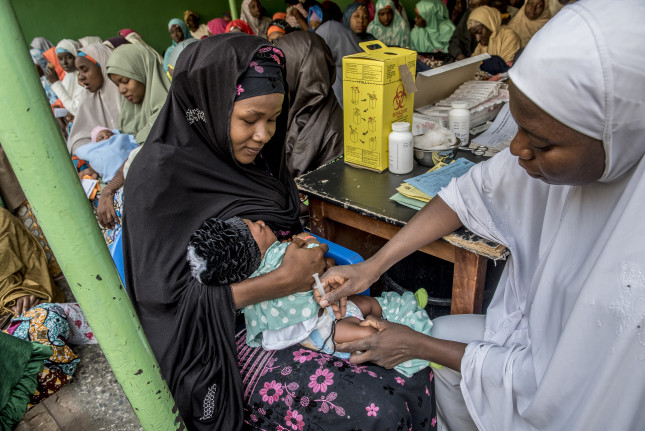
Vaccines, Family Planning, and Freedom from Violence: Achieving Equity for All Women and Children
›“From birth, from almost from cradle to grave, girls have been seen as some sort of baggage,” said Shamsa Suleiman, Project Management Specialist for Gender and Youth at the U.S. Agency for International Development (USAID), Tanzania. Suleiman spoke at a recent Wilson Center event with USAID MOMENTUM Country and Global Leadership about balancing power dynamics to achieve equity for all women and children in maternal, child, and adolescent health, and family planning. Home should be a safe space, said Suleiman. But for many girls, it no longer is. To escape the poverty and pressures at home, including early marriage and other forms of gender-based violence, some girls leave, said Suleiman. “Girls are trying to escape the safe spaces.”
-
A Conversation with Dr. Nahid Toubia: Bodily Autonomy and the 2021 State of World Population Report
›Africa in Transition // Dot-Mom // Friday Podcasts // May 28, 2021 // By Hannah Chosid & Deekshita RamanarayananBodily autonomy is something almost innate in us, and yet also a Eureka moment for many people, says Dr. Nahid Toubia, Director for the Institute of Reproductive Health and Rights in Sudan on this week’s episode of Friday Podcasts. “Every human being really has the right to own their body, to own their decisions, to own their choices regarding their life, their futures, how they want to live, who they want to partner, whether they want to have children or not, what kind of families they want to have,” she says. “So, all of these choices are all wrapped up in this concept of body autonomy.” -
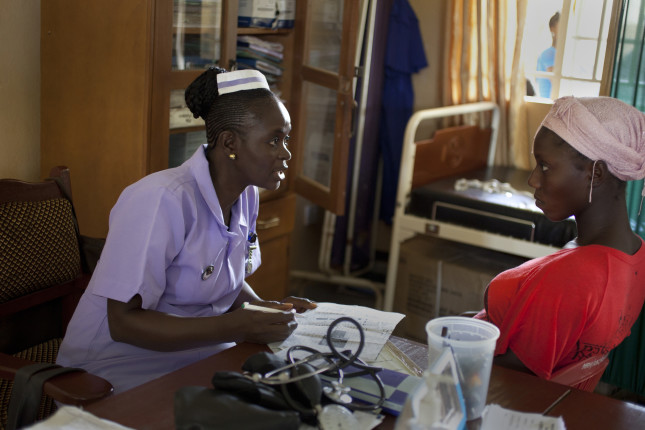
State of the World’s Midwifery Report 2021: Follow the Data, Invest in Midwives
›“Every day in every part of the world, midwives save the lives of women and babies and promote the health and well-being of entire communities,” writes UNFPA Executive Director Dr. Natalia Kanem in honor of International Day of the Midwife. “They deserve our respect and gratitude, but that is not enough. Midwives deserve greater investment in their capabilities, and workplaces that empower them and fully acknowledge their skills and contributions.” Investment in midwifery could save millions of lives per year – an estimated 4.3 million annually by 2035.
-
My Body, My Voice, My Choice: Launching UNFPA’s 2021 State of World Population Report
›“As we’re talking, the bodily autonomy of millions of women and girls around the world is still denied,” said Klaus Simoni Pedersen, Acting Director of the Division of Communications and Strategic Partnerships for the United Nations Population Fund (UNFPA) at the recent U.S. launch event of the 2021 UNFPA State of the World Population report, hosted by the Wilson Center and UNFPA. The report, My Body is My Own: Claiming the Right to Autonomy and Self-Determination, examines the global status of women and girls as reflected in their agency and decision-making power.
Showing posts from category maternal health.
 Too often, many in my community are excluded from sexual and reproductive health services, said Ruth Morgan Thomas, co-founder and Global Coordinator of the
  The decision to have a child usually requires a feeling of stability and confidence in the future, says Natascha Braumann, Director of Global Government and Public Affairs for Fertility at EMD Serono, on this week’s episode of Friday Podcasts. But with COVID-19, especially in the first months of the pandemic, there was no feeling of stability. “No one knew what was going to happen.”