-
Conservation in Conflict Zones: Protecting Peace and Biodiversity in Colombia
›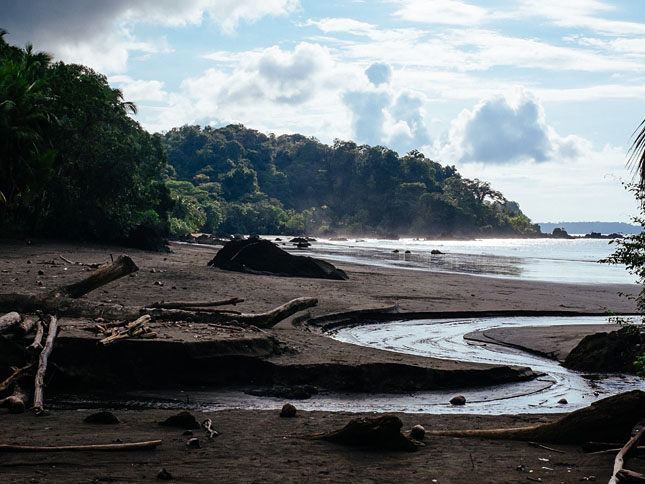
With a new peace process underway between the Colombian government and leaders of the Revolutionary Armed Forces of Colombia (FARC) in Cuba, the spotlight is back on this long-troubled South American country. But decades of civil conflict have overshadowed an incredible fact: Colombia is among the four most biologically diverse countries on Earth.
-
Violence Over Land in Darfur Demands We Look Again at Links Between Natural Resources and Conflict
›
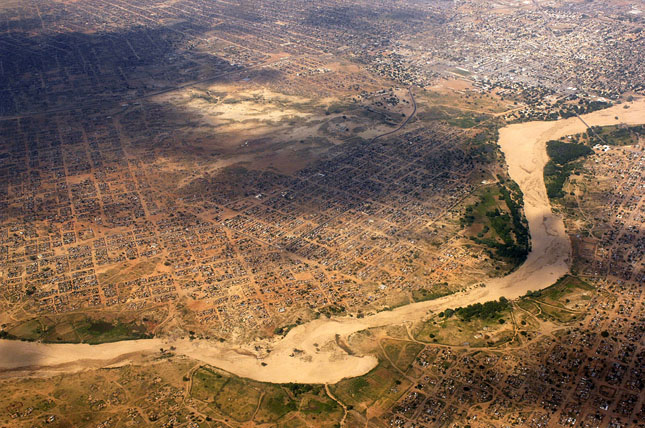
Given that there have been three major peace processes in Sudan’s troubled western province of Darfur, the current escalation of violence indicates that perhaps something about existing approaches is failing to hit the mark. Identifying what is missing is vital – not just for Darfur, but for other areas with similar challenges of state fragility, poverty, and competition over natural resources.
-
Crossing Borders and Defying Policing, Abuses of Thailand’s Fishing Industry Challenge International System
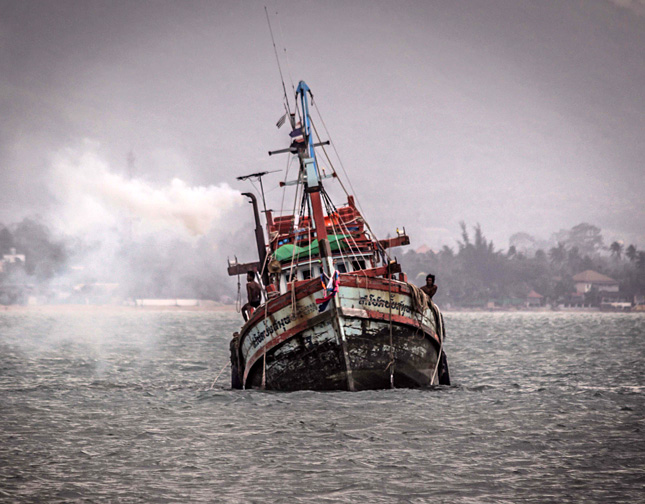
›August 18, 2015 // By Linnea BennettSomewhere off the coast of Thailand, “ghost ships” bump and crash along the choppy waves scrapping the sea floor with nets that spare nothing. Pulling up these illegal hauls in shifts that sometimes last 20 hours are thousands of migrant fishermen, many of whom have been forced into indentured servitude or kidnapped. Far from shore on unregistered boats, they have little hope of escape and face daily abuse and squalid conditions. More recently, some captains have turned to trafficking Rohingya fleeing persecution in Myanmar, pressing some into service, extorting others, and taking sex slaves.
-
In Search of Higher Returns: Can Extractive Industries Help Build Peace?
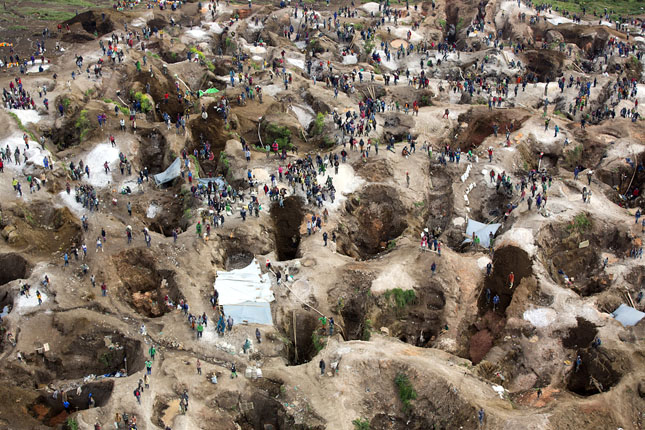
›August 3, 2015 // By Carley ChavaraIf you’re a government pondering the development of newly discovered natural resources, how do you avoid the so-called “resource curse” – the tendency of high value extractive resources, like oil, gas, or minerals, to, instead of prosperity, bring corruption, entrenched poverty, and even violence?
-
Turning the Climate-Security Problem on Its Head: Geoff Dabelko Talks G7 ‘Climate for Peace’ Report
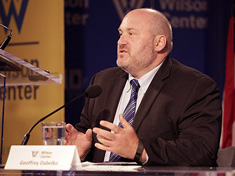
›Conversations around climate change often take place at the “30,000-foot level,” said Ohio University Professor and ECSP Senior Advisor Geoff Dabelko in a recent radio interview with WOUB Public Media, based out of Athens, Ohio. Emission reductions, carbon concentrations, global temperatures. But a certain amount of change is already baked into the system and impacts are playing at in different ways around the world already. -
How Successful Were the Millennium Development Goals? A Final Report
›July 28, 2015 // By Josh FengEarlier this month, the United Nations released a final report on the Millennium Development Goals (MDGs), the framework that has guided global development efforts for the last 15 years. The document examines each of the eight MDGs and finds that “despite many successes, the poorest and most vulnerable people are being left behind.” As one of the first global poverty reduction movements nears its end, the report calls for better data collection practices to create a post-2015 development agenda that can overcome the MDG’s shortcomings.
-
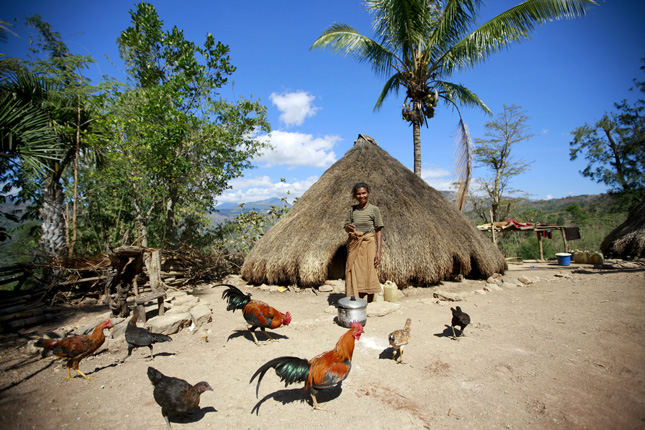
“People Need Nature to Thrive”: Recovering From Conflict Through Conservation in Timor-Leste
›In my tiny, half-an-island country of Timor-Leste, cemeteries smell of jasmine and come to life on All Saints’ Day. Families have picnics and kids roam wild over the tombstones. Here, stepping on somebody else’s family tombstones is not seen as an offense but as the norm; after all, since there isn’t enough land to hold so many graves, not stepping on one is impossible unless you have mastered levitation.
-
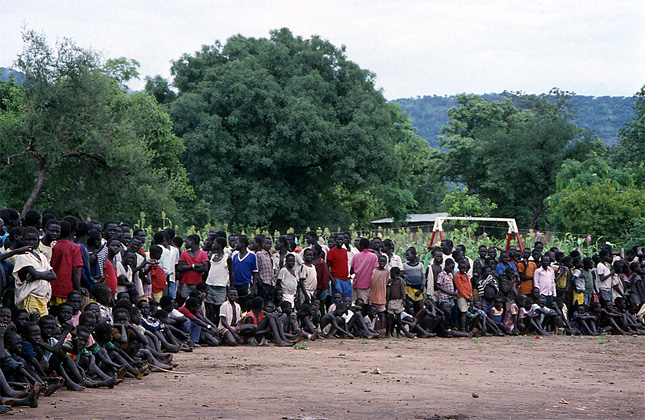
A Case for Refugee Resilience: Reflection on the Lost Boys’ Story of Perseverance
›Fifteen years ago last month, I was brought to America through the U.S. Refugee Resettlement Program after having lived in refugee camps in Ethiopia and Kenya for more than a decade. As I reflect on my experience, it is my hope that it will inspire others and help inform dialogue on forced migration so that refugees are perceived not just as victims, but models of resilience.
Showing posts from category security.
 Conversations around climate change often take place at the “30,000-foot level,” said Ohio University Professor and ECSP Senior Advisor Geoff Dabelko in a recent