-
From Gaza to the Euphrates, Alarm Bells for Mideast Water Resources
› The board of the United Nations’ lead organization on trade and development, called UNCTAD, released an assessment of Gaza’s development challenges during their annual meeting in Geneva this month and the news is not good. In 2012, the UN warned that a “herculean” development effort would be to keep pace with Gaza’s rapid population growth. Since then, more fighting with Israel has made things worse, particularly with regard to water and food security. Ninety-five percent of the water from Gaza’s coastal aquifer is unsafe for drinking without treatment, the report says. Contamination and over-extraction may even render it unusable by next year and damage may be irreversible if not addressed in the next five years.
 -
Pakistan’s Maternal and Child Health Problems “Huge Stumbling Block” to Development, Long-Term Security
›In the long term, improving maternal and child health is as critical to national security as any problem in Pakistan today, said a panel of experts including Minister of National Health Services Saira Afzal Tarar at the Wilson Center on September 9.
-
Sam Eaton, PRI’s The World
Human Traffickers Follow Floods in India, But Local Girls Are Fighting Back
›September 17, 2015 // By Wilson Center StaffThe Sundarbans – a collection of densely populated islands in India’s sprawling Ganges Delta – are so remote that the only way to get there is by boat. But human traffickers still manage to get in, and that’s left many families with missing daughters.
-
Roudabeh Kishi, ACLED Project
The Effect of Inequality on Conflict in Africa
›September 16, 2015 // By Wilson Center Staff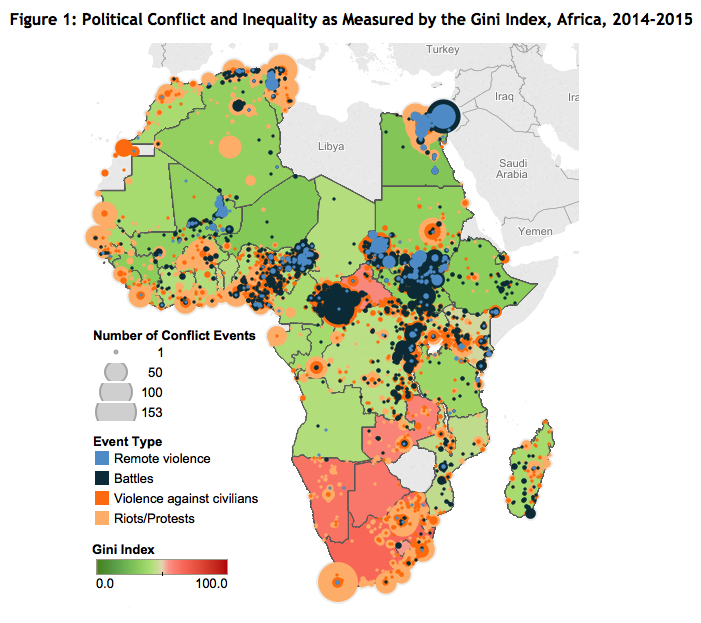
Many have noted inequality as fuel for conflict. It can serve to exacerbate grievances amongst those who have less within unequal contexts, which can in turn serve as a mobilizing factor in fueling violence. Alternatively, it can make the “prize” of conflict larger – within the most unequal societies, the poor have less to lose and more to gain.
-
Examining Women’s Inclusion in Peace and Conservation Efforts
›Some of the world’s most crucial ecosystems can also be found in the most conflicted areas. The most progressive peace agreements in these circumstances sometimes include conservation protections, but fewer still include women – and that’s a an article in Peace Review by Conservation International’s Brittany Ajroud, Kame Westerman, and Janet Edmond. -
Red Cross: Water Continues to Be Used as Weapon of War in Syria
›Water is being used as a weapon of war on one of Syria’s deadliest battlegrounds, says the International Committee of the Red Cross (ICRC) and its local affiliate, the Syrian Arab Crescent, in a new video.
-
Peace Park Expedition to Balkans Reveals Tensions Over Development, Rule of Law for New Governments
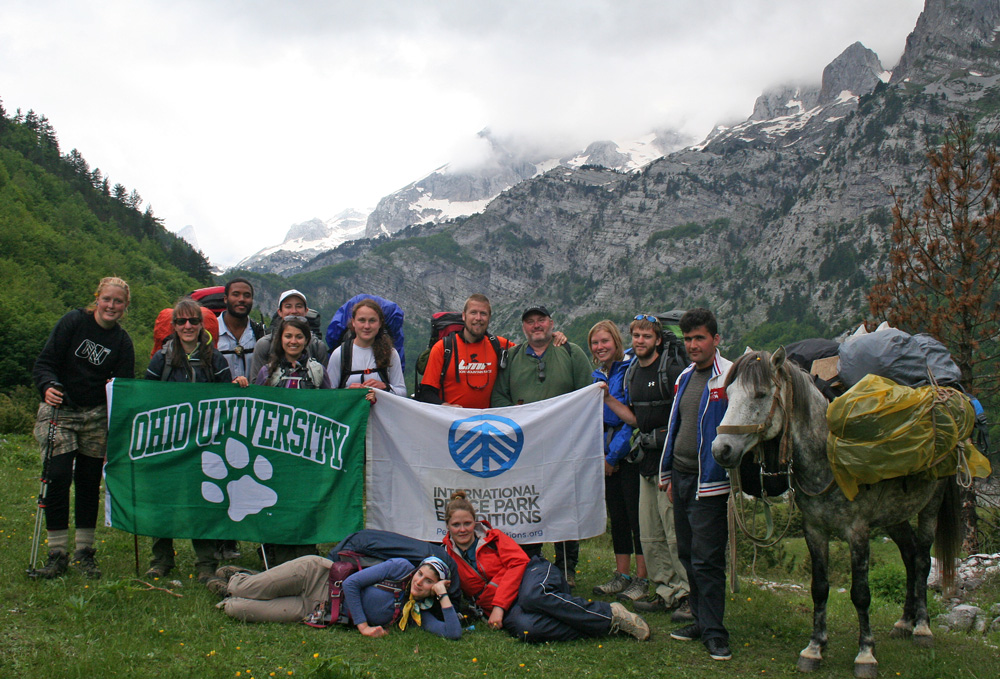
›One of the last biodiversity hotspots in Europe was also backdrop to one of its last violent conflicts and now home to its newest nation states. The Prokletije/Bjeshket e Nemuna Mountains, often referred to as the Southern Alps, are a large expanse of wilderness and stunning alpine landscapes that form the border between Montenegro, Albania, and Kosovo. Three national parks share borders and form a patchwork of protected land that could be the basis for an international peace park – a shared resource that could promote cross-cultural exchange collaborative natural resource management, and eco-tourism.
-
Angola’s Oil-Soaked Kleptocracy Is an Empire Built on Inequality
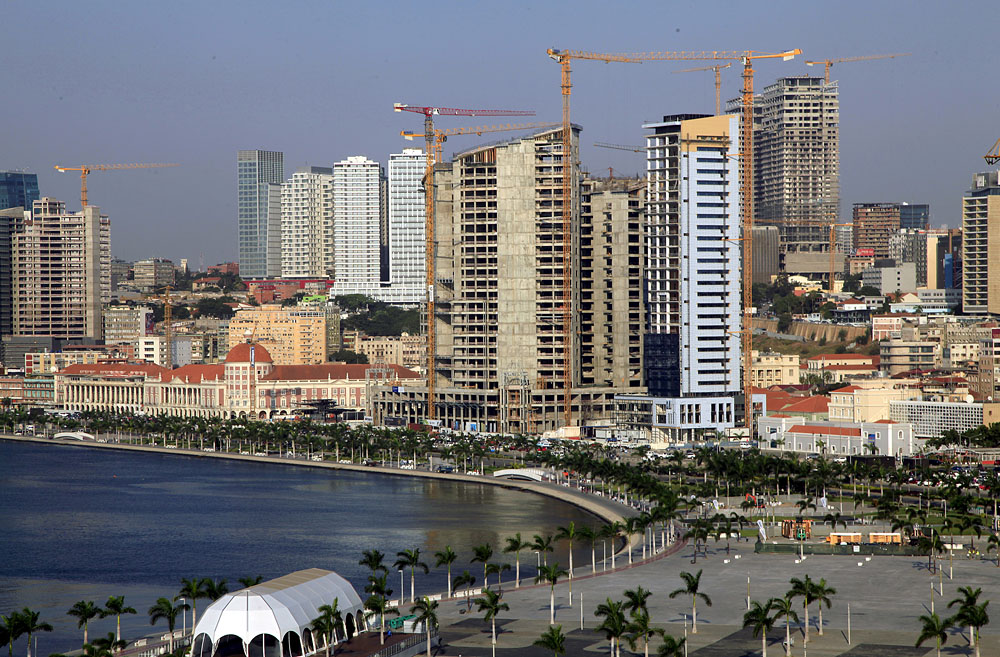
›August 26, 2015 // By Josh FengIsabel dos Santos, the daughter of Angolan President José Eduardo dos Santos and the richest woman in Africa, owes her wealth to the oil industry. Delfina Fernandes, a woman living in abject poverty in the village of Kibanga, uses gasoline as an anesthetic to dull the sheering pain of her rotting teeth.
Showing posts from category security.