-
Environmental Cooperation in the Middle East: A Conversation with Dr. Tareq Abu Hamed
› In today’s episode of New Security Broadcast, Wilson Center Global Fellow and environmental journalist Anneliese Palmer speaks with longtime leader in regional environmental diplomacy and Executive Director of the Arava Institute for Environmental Studies, Dr. Tareq Abu Hamed. In their conversation, Dr. Hamed unpacks the opportunities and challenges of climate and environmental diplomacy, environmental peacebuilding efforts in Gaza and the Middle East, as well as his role in Jumpstarting Hope, a project that works to provide essential services such as safe drinking water and sustainable electricity to communities in Gaza.
 -
ECSP Weekly Watch | July 8 – 12
›
A window into what we are reading at the Wilson Center’s Environmental Change and Security Program
Climate Security and Canada’s Promises to NATO (Global News)
As a founding member of the North Atlantic Treaty Organization (NATO), Canada has been influential in the integration of climate change policy with the alliance’s mission. It supported the development of NATO’s Climate Change and Security Action Plan aligning with the alliance’s core tasks of deterrence and defense, crisis prevention and management, and cooperative security. Following the Canadian proposal 2021, Global Affairs Canada and the Department of National Defense jointly lead NATO’s Climate Change and Security Centre of Excellence (CCASCOE) to research and identify best practices to address climate change and security-related challenges.
-
An Interview with NATO’s Paul Rushton on the Alliance’s Climate Security Efforts
› When senior officials from 32 countries meet in Washington, DC next week for the NATO Summit, deterrence and defense, as well as Ukraine and global partnerships, are at the top of the agenda. As NATO Secretary General Jens Stoltenberg observed at a recent Wilson Center event: “The war in Ukraine demonstrates that our security is not regional, it is global – not least because of the support we know Russia is getting from China and others.”Under Stoltenberg’s leadership, NATO has recognized that climate change is also reshaping the security landscape. In 2021, NATO launched a Climate Change and Security Action Plan which positions the organization as a leader in understanding and adapting to climate impacts on security. Two years later, the NATO Climate Change and Security Centre of Excellence (CCASCOE) was established in Montreal.
-
ECSP Weekly Watch | June 24 – 28
›A window into what we are reading at the Wilson Center’s Environmental Change and Security Program
Renewable Energy Needs a Social Vision (Mongabay)
The Zapotec of the Isthmus of Tehuantepec have accused energy giant EDF (Électricité de France) of causing human rights abuses while building wind farms in Oaxaca state. They also claim the company intimidated and harassed social movements who opposed this construction on their ancestral lands. The Zapotec are indigenous peoples of Mexico who call themselves Bën Za or “The People”—and after three years of struggle and stalling tactics by EDF’s legal representatives, French courts have authorized their civil case filing at last.
-
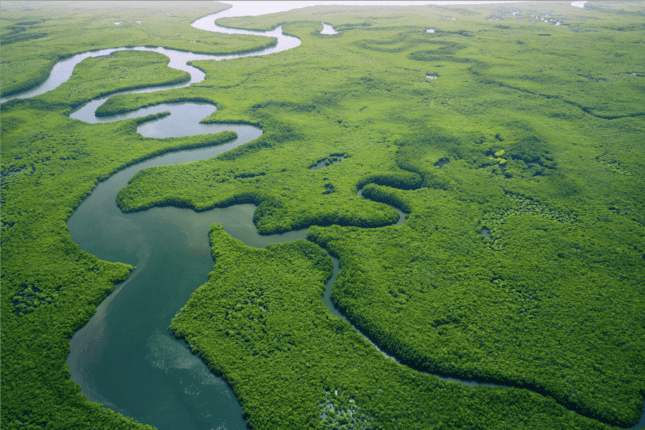
Flowing Together: Peace and Conflict’s Role in Socio-hydrology
›In an era where water scarcity and disputes over water rights increasingly shape global politics, understanding the nexus between water and peace is more critical than ever. Recent events such as the border clashes between Kyrgyzstan and Tajikistan, or continued tensions between Egypt, Ethiopia, and Sudan over the Nile River’s usage, underscore the urgent need for comprehensive strategies to address both the hydrological and social dimensions of water management.
-
ECSP Weekly Watch | June 17 – 21
›A window into what we are reading at the Wilson Center’s Environmental Change and Security Program
Brazil Joins the Rare Earth Minerals Race to Curb Chinese Dominance (Reuters)
Brazil has the world’s third-largest reserves of rare earth minerals. Yet China dominates that market, accounting for 95% of global production. The mining giant is taking steps aims to break this supply chain dominance by creating a robust rare earth industry of its own. The country’s first rare earths mine, Serra Verde, began commercial production in 2024.
-
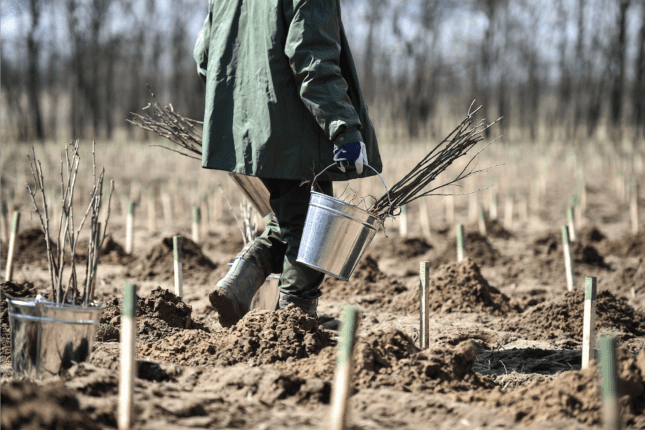
Risks and Restoration: Land as a Driver of Conflict and Cooperation
›Land is crucial to people’s livelihoods, health and wellbeing, culture and identity. So disputes over access to or use of land are a prominent feature in many conflicts. The Environmental Justice Atlas finds that land is at the root of conflict dynamics in approximately a third of environmentally-driven cases recorded. And because land is increasingly under threat—20-40% of global land area is degraded—the risk of conflict is increasing.
-
ECSP Weekly Watch | June 10 – 14
›A window into what we are reading at the Wilson Center’s Environmental Change and Security ProgramPublic Citizen, a consumer advocacy group, recently released a report outlining the plight of Latin American Indigenous communities battling against international mining corporations. The study details several examples of transgressions, including an episode from the early 2000s involving Bear Creek, a Canadian mining company awarded a license to explore Indigenous Aymara territories. Their activities sparked organized protests, road blockades, and even violent clashes with police that resulted in deaths and injuries—and forced Peru’s government to revoke Bear Creek’s license.
Showing posts from category security.
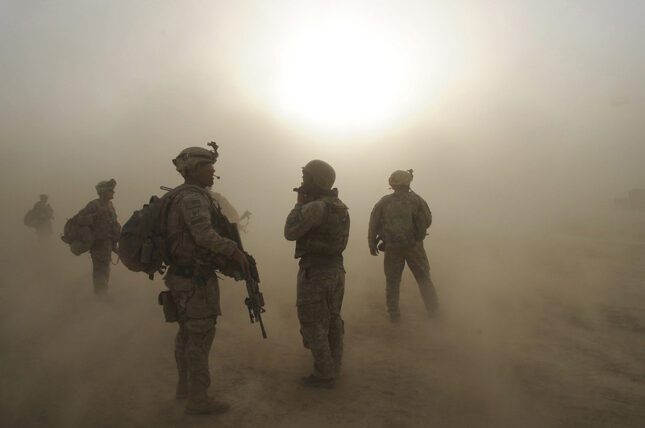 When senior officials from 32 countries meet in Washington, DC next week for the NATO Summit, deterrence and defense, as well as Ukraine and global partnerships, are at the top of the agenda. As NATO Secretary General Jens Stoltenberg observed at a recent Wilson Center event: “The war in Ukraine demonstrates that our security is not regional, it is global – not least because of the support we know Russia is getting from China and others.”