

-
Breaking the Fragility Trap: What Role for the World Bank?
›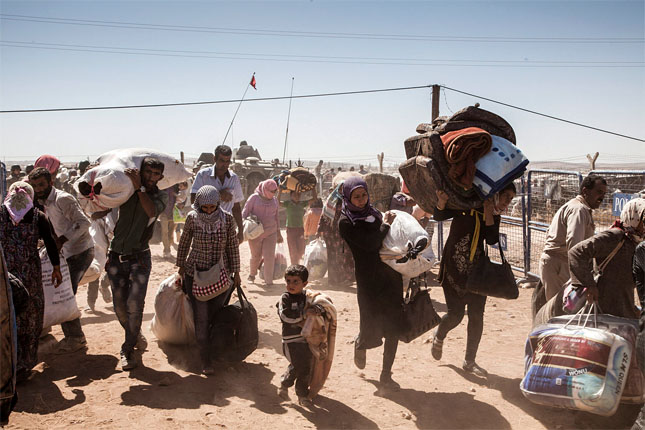
Last month, the World Bank’s Fragility Forum in Washington, DC, brought together some 600 participants to discuss how to advance sustainable development in the context of increasing conflicts and violence. World Bank President Jim Yong Kim opened the forum by emphasizing that we are at a critical moment.
-
Joan Whelan on a New Strategy at the Office of Food for Peace: Address Conflict
› Since its inception more than 60 years ago, USAID’s Office of Food for Peace has provided critical food assistance to billions of people around the world. Yet, despite its name, the office lacked a strategy to address the effects of conflict on its work.
 -
Myanmar’s Democratic Deficit: Demography and the Rohingya Dilemma
›According to political demographers, who study the relationship between population dynamics and politics, two characteristics when observed together provide a rather good indication that a state is about to shed its authoritarian regime, rise to a high level of democracy, and stay there. Myanmar has both.
-
Forecasting Development: Observations From Scenario Planning for Bosnia and Herzegovina
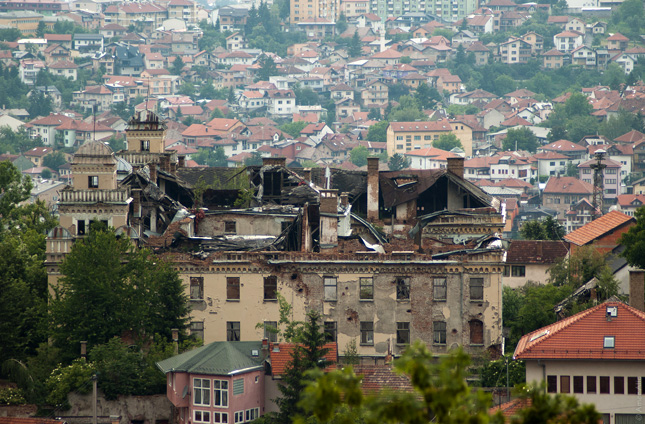
›I’m planning a road trip and I want to know what to pack. I could rely on what I’ve learned from past trips or what it looks like out the window right now, but what would really help are a weather forecast and a guidebook telling me what I might expect. It’s no guarantee against a wrong turn or two, but it will certainly better prepare me for the road ahead and help me take advantage of opportunities along the way.
-
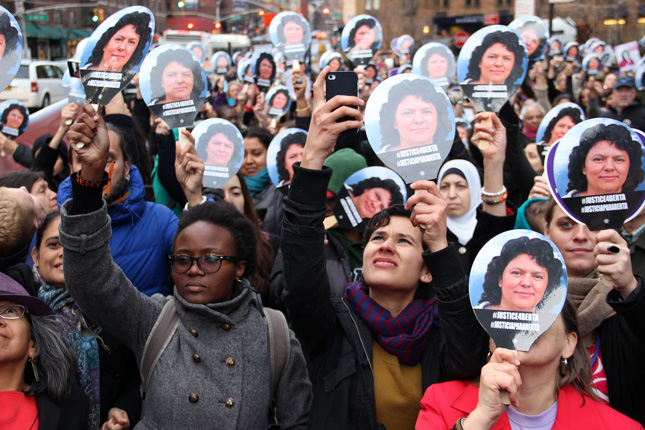
Carlos Manuel Rodriguez, Human Nature
Murders of Environmental Activists Reflect Chronic Clashes Over Resource Use
›April 4, 2016 // By Wilson Center StaffWhen I heard of the horrific murder of Berta Cáceres, a Honduran environmental activist who had spent years fighting to protect her community’s traditional lands, I was shocked – though perhaps I shouldn’t have been.
-
Sharon Burke on How the U.S. Military Is Planning for Climate Change
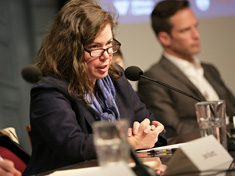
›Climate change is impacting the U.S. military in two major ways, explains Sharon Burke in this week’s podcast. -
Community Empowerment vs. State Stability? Lessons From Nepal’s Micro-Hydropower Projects
›Post-war countries are among the most difficult policy arenas. The challenge is not only to stop violence and prevent violence from rekindling, but moreover to help countries reset their internal relations on a peaceful path. Increasingly, researchers and practitioners are interested in the potential of natural resources in post-war settings in the hope that good governance and sustainable management can contribute to this reset. Indeed, the international community acknowledged the relevance of the link between peaceful societies and environmental issues by including both in the Sustainable Development Goals.
-
Susan Martin: Migration a Climate Adaptation Strategy, But Displacement More Dangerous
›When it comes to environmental change, “policies and laws can have a very productive contribution toward positive adaptation, or they can subvert that and constrain options,” says Jon Unruh, associate professor of human geography and international development at McGill University, in this week’s podcast.
Showing posts from category security.
 Since its inception more than 60 years ago, USAID’s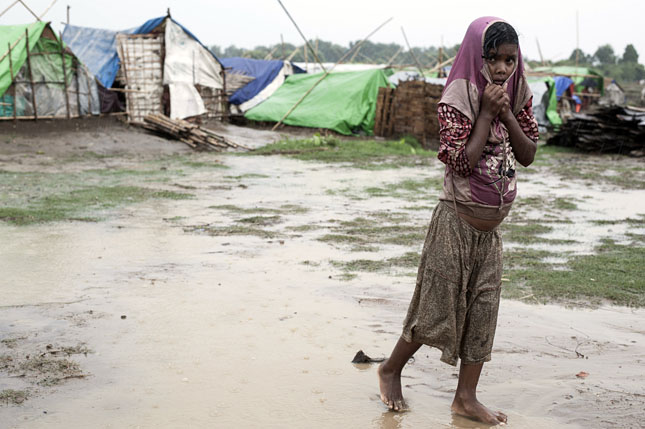
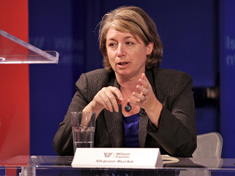 Climate change is impacting the U.S. military in two major ways, explains Sharon Burke in this week’s podcast.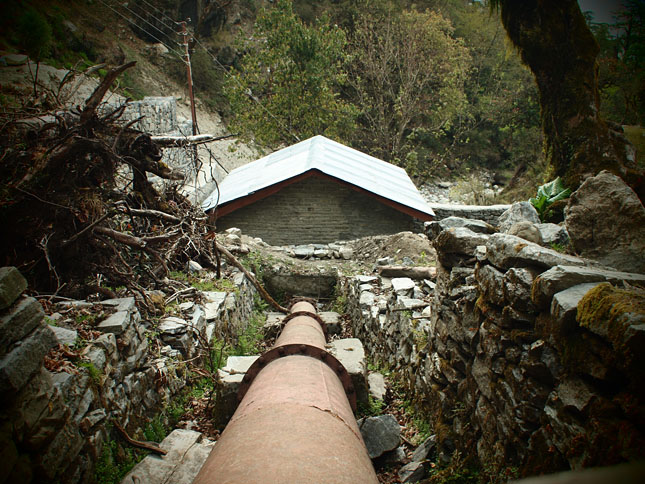
 When it comes to environmental change, “policies and laws can have a very productive contribution toward positive adaptation, or they can subvert that and constrain options,” says Jon Unruh, associate professor of human geography and international development at McGill University, in this week’s podcast.

