-
Shreya Mitra, Resilience Compass
Lessons on Building Peace in Fragile Contexts From South Sudan
›August 11, 2016 // By Wilson Center Staff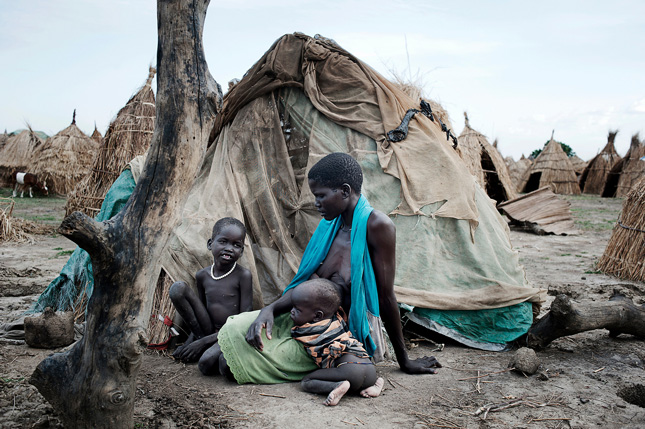
Earlier this month, armed clashes between competing factions of South Sudan’s government broke out in the capital Juba, a day after the nation’s fifth anniversary of its independence. The conflict dates back to political events and factional fighting that first emerged in 2013.
-
Deep Trouble: Emerging Resource Competition in the Deep Sea
›
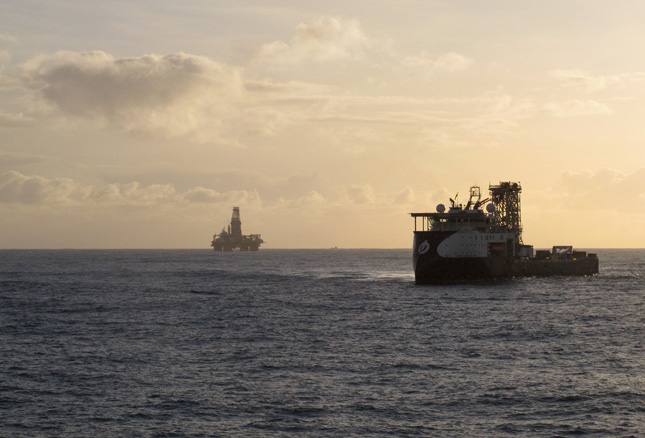
It might seem strange to say that the deep sea, the vast expanse of the world’s oceans beyond the continental shelf, is at risk of conflict and competition. After all, no one lives there, and as is often said, more is known about the surface of the moon than most parts of the ocean floor. But the fact is, even the cold, dark reaches of the ocean are no longer immune to resource competition between the world’s major powers.
-
Rowand Jacobsen, Ensia
Can New Water Tech Help Reduce Conflict in Middle East?
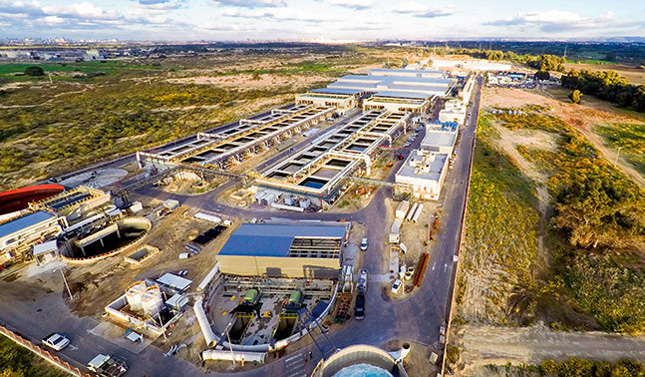
›August 9, 2016 // By Wilson Center StaffTen miles south of Tel Aviv, I stand on a catwalk over two concrete reservoirs the size of football fields and watch water pour into them from a massive pipe emerging from the sand. The pipe is so large I could walk through it standing upright, were it not full of Mediterranean seawater pumped from an intake a mile offshore.
-
Justice and Contemporary Climate Relocation: An Addendum to Words of Caution on “Climate Refugees”
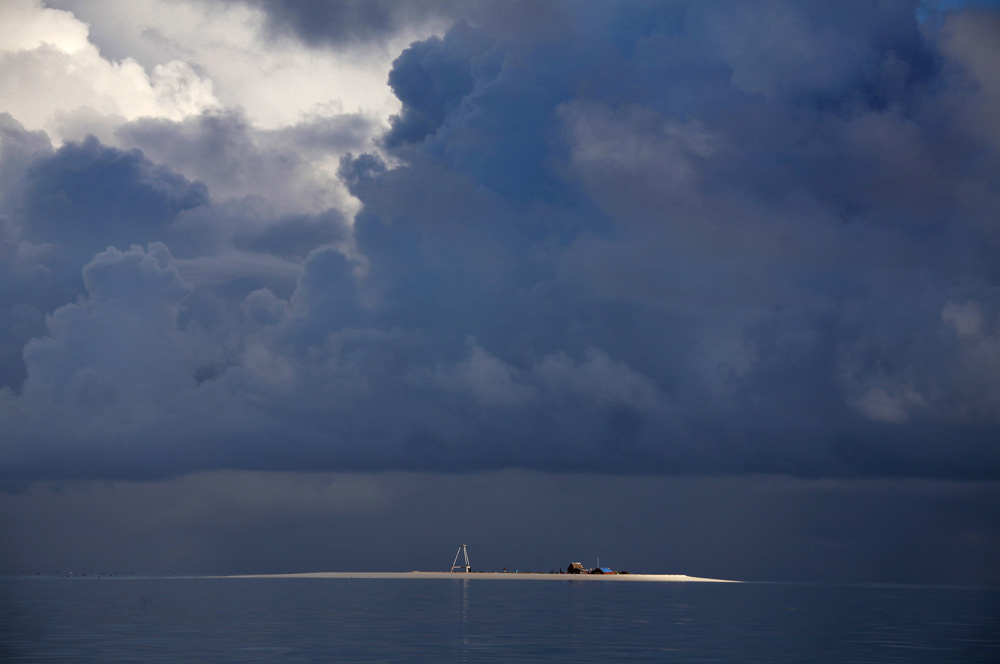
›The idea that climate change is causing migration and displacement is entering the mainstream, but experts have warned against using the term “climate refugees” to describe what we’re seeing in small islands, coastal regions, and even conflict zones like Syria.
-
Tracking Illegal Fishing in West Africa, and Improving Soil Data to Better Model Climate Effects
›Overfishing by foreign fleets in West Africa is leading to devastating social and economic consequences. In a report from the Overseas Development Institute, an independent think tank based in London, researchers use satellite data to assess the scale of two kinds of illegal, unreported, and unregulated fishing: “reefers,” or large-scale commercial vessels receiving and freezing fish at sea and at port, and large refrigerated container ships that are registered in countries with less stringent enforcement regulations than that of the ship’s owners. -
Governance in Focus: Insights from the International Expert Forum on Climate Change and Conflict
›The International Expert Forum (IEF) is a series of seminars meant to facilitate dialogue between experts and policymakers on peace and security. Meeting in Stockholm this past May, the forum explored the connections between environmental issues, peacebuilding, and conflict while considering how environmental governance can aid in peacebuilding. The summary brief produced after the forum provides a useful snapshot of a fast-changing field of study.
-
How Infrastructure Helps Determine the Risk of Violence Following Drought
›One fear of climate change is that more variable weather conditions will lead to violence and chaos in some places. But looking at it methodically, do erratic weather conditions actually lead to violent conflict and political instability? Not necessarily.
-
Geoffrey Dabelko, The Cipher Brief
Sorting Through the “Water Wars” Rhetoric in South Asia
›July 22, 2016 // By Wilson Center StaffThe eye catching headlines are familiar. “Water Wars” are imminent or already underway in the latest drought or dam-building hotspot. Such “wars” often extend to farmers battling over irrigation diversions, but at times countries are the players. Senior leaders are often quoted suggesting transboundary water theft constitutes a casus belli. Security officials are obliged to investigate.
Showing posts from category security.