-
In Kosovo, Post-War Water Faults Show Challenge of Balancing Political With Technical
›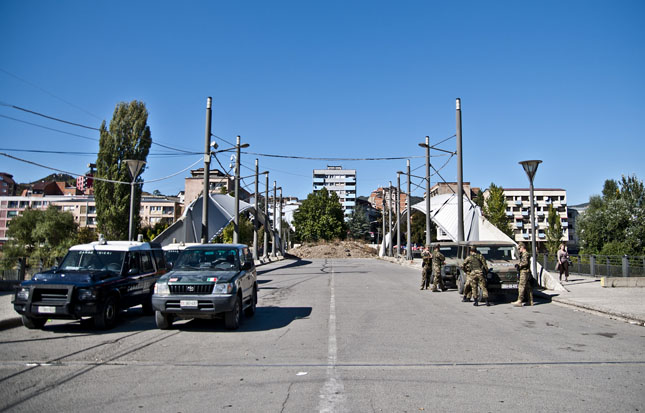
Rivers have shaped the Western Balkan Peninsula’s characteristic landscape and played an important role in its history. Following the violence of the Yugoslav secession wars in the 1990s and the creation of six new nations, the number of transboundary river basins doubled from 6 to 13. In Kosovo, where independence remains a question, the water sector is a microcosm of tensions between ethnic Serbs and Albanians. The challenge of water resource management exists not only over the province’s contested national boundaries with Serbia, but between divided ethnic groups within the territory.
-
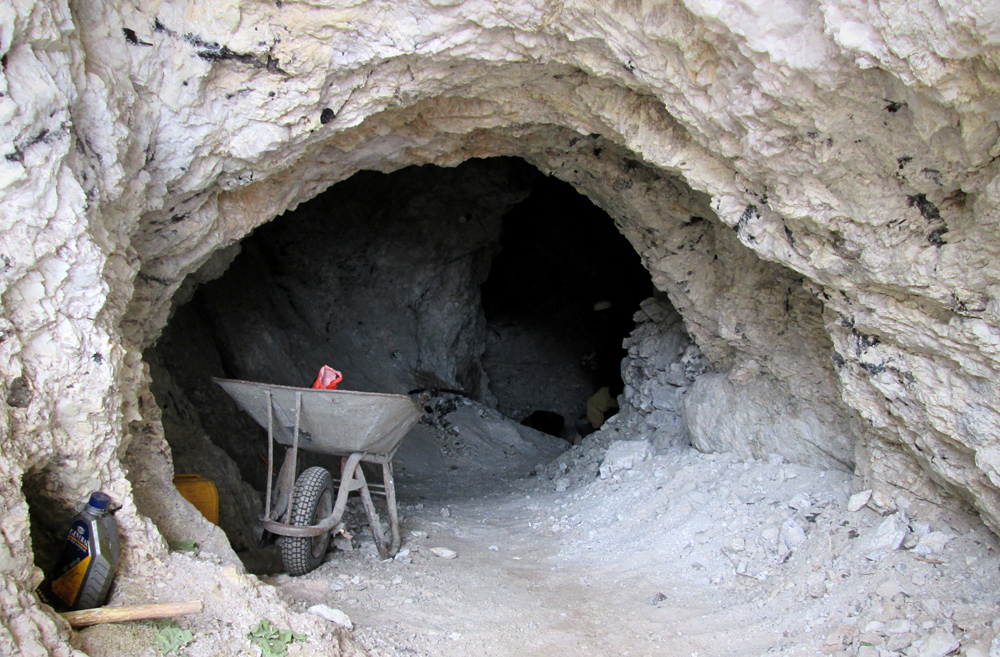
Harnessing African Women’s Roles in Artisanal Mining to Build Peace
›Women make up between 40 to 50 percent of the artisanal mining workforce in Africa compared to a world average of 30 percent, says Southern Voices Network Scholar Maame Esi Eshun in an interview with Wilson Center NOW. But despite the number of women in the sector, they are often relegated to the periphery when it comes to decision-making and leadership, undermining peacebuilding efforts in these areas.
-
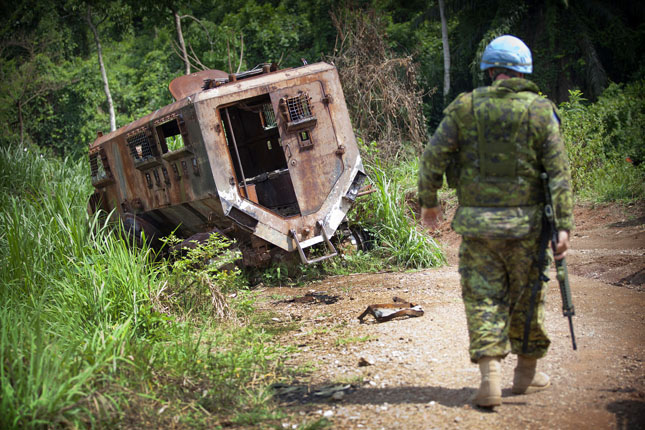
After Conflict, Peacebuilding and Recovery Efforts Too Often Miss the Environment
›
In June 2010, The New York Times published a front page story trumpeting a Pentagon announcement of roughly $1 trillion worth of mineral resources in Afghanistan. Officials said the discovery was “far beyond any previously known reserves and enough to fundamentally alter the Afghan economy and perhaps the Afghan war itself.” Then-President Hamid Karzai soon inflated the figure to $3 trillion and then again to $30 trillion, enough to transform the country into the “Saudi Arabia of lithium.”
-
When Is Conflict Positive? And How Climate Change Might Exacerbate Ethnic Violence
›Conflict is typically viewed as a failure of social and political systems and almost never as a method of transforming dysfunctional or fractured societies into cohesive units. However, in an analysis of the discourse around climate change and conflict in Local Environment, Melissa Nursey-Bray concludes that conflict is a sometimes-necessary step in a complicated process to create stable societies. Nursey-Bray separates the climate-conflict discourse into two baskets: climate change as a security risk and climate change as one of many factors that contribute to insecurity. -
How Lapis Lazuli Turned One Afghan Mining District to the Taliban
›August 25, 2016 // By Adrienne BoberIn the mountains of northern Afghanistan, between Pakistan and China, a region that has historically rejected the Taliban has become the group’s second-largest source of revenue. The twisting tale of Kuran wa Munjan reveals the challenges of extracting precious minerals in unstable and fragile states.
-
Candido Pastor, Human Nature
From Machetes to Maps: How a “Red Line” Eased Conflict in Bolivia’s Amazon
›August 24, 2016 // By Wilson Center StaffI remember the first time I made the four-day trek into the heart of Bolivia’s Carrasco National Park (CNP) 12 years ago like it was yesterday. I knew it would be a challenge to help communities agree on the boundaries of the protected area, given the high level of tension between indigenous communities, illegal migrant farmers, and park authorities over land rights, but I was unprepared for just how intense our first meeting would be.
-
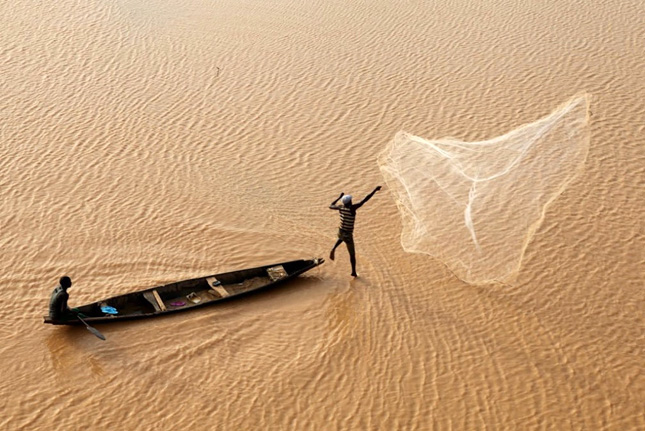
Calming the Waters: Why We Need to Better Integrate Climate and Water Policy
›The Nile River is shared by 11 countries, for which it is vital for food and energy production, freshwater, and as a means of transportation. Sharing the resources of the Nile has, however, been politically difficult. Recently, the construction of the Grand Ethiopian Renaissance Dam has caused a major dispute with downstream Egypt which fears the dam will affect water flow in its own territory.
-
Left Out and Behind: Fully Incorporating Gender Into the Climate Discourse
›August 22, 2016 // By Cara ThuringerMore often than not in the discourse around gender and climate change, the word “gender” is used primarily to refer to women. There is no disputing that women are acutely vulnerable to the effects of climate change in ways that are different than men and sometimes hidden. However, this interchangeable use of words neglects other dimensions of gender, sexual orientation, and sexual identity. As a result, we are missing important ways gender impacts people’s experiences with climate change.
Showing posts from category security.