-
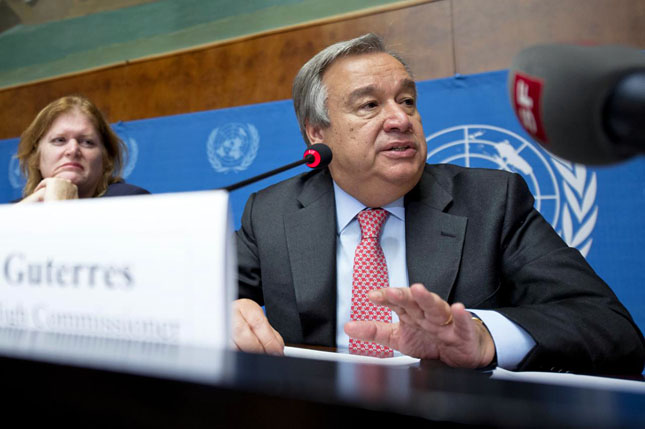
António Guterres and the Way Forward on Climate Change and Security
›On October 13, the United Nations General Assembly appointed Antonio Guterres as the next UN secretary-general. When the former prime minister of Portugal and high commissioner for refugees begins his term in January 2017, he will face a world of increasing climate and security crises. In a Wilson Center NOW interview and op-ed for The Daily Climate, Wilson Fellows Ruth Greenspan Bell and Sherri Goodman express optimism in Guterres’ ability to address these interconnected challenges and provide insight on the role of institutions like the United Nations in fighting climate change.
-
Michael Kugelman Explains the Flare Up in India-Pakistan Water Tensions
›October 21, 2016 // By Schuyler Null
Last month, India subtly warned that it could withdraw from the Indus Waters Treaty with Pakistan, one of the oldest and most significant water treaties in the world, because of a lack of “mutual trust and cooperation.” A week later, the Indian military launched a “surgical strike” across the Pakistani line of control in Kashmir against alleged terrorist camps.
-
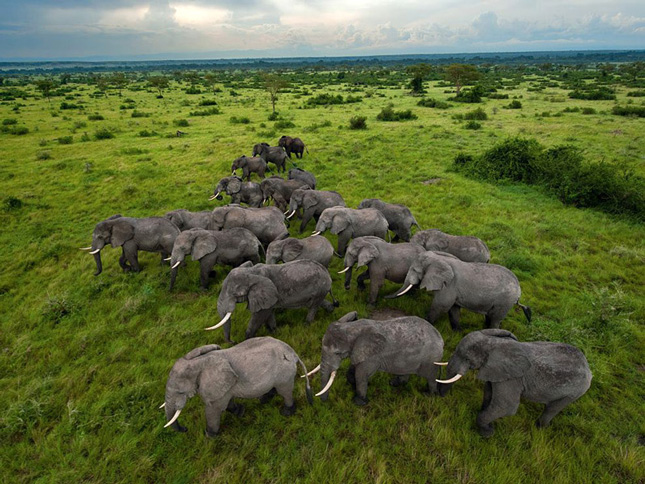
As Ivory Becomes Bigger Issue, Environmental Peacebuilding Gaining Ground at IUCN World Congress
›
A traditional conservation approach to climate change (e.g., habitat restoration, species protection) has been a primary tenet of the International Union for Conservation of Nature (IUCN) agenda for decades. But this fall at the quadrennial World Conservation Congress in Hawai’i there were new discussions about tackling climate change in the context of national security and environmental peacebuilding.
-
Shreya Mitra & Joe Mulligan, Resilience Compass
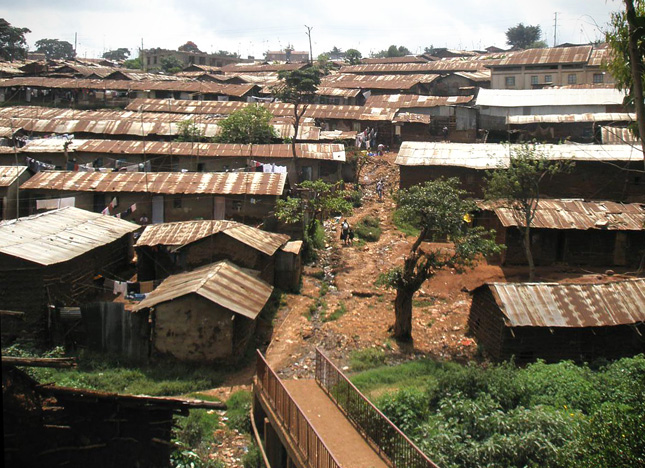
Lessons From Kibera on Risks and Resilience for the New Urban Agenda
›October 20, 2016 // By Wilson Center Staff“By 2050 the world urban population is expected to nearly double, making urbanization one of the 21st century’s most transformative trends.” -Draft “Quito Declaration on Sustainable Cities and Human Settlements for All,” September 2016
-
New UN Secretary-General Brings Humanitarian Experience, But Will It Matter? 5 Things to Watch
›Over the next few days, many smart people will opine on the prospects for success of António Guterres, the man (yes, surprise, another man) nominated by the United Nations Security Council to be the next UN secretary-general.
-
In Drought-Stricken India, Water Tensions Spill Into the Streets
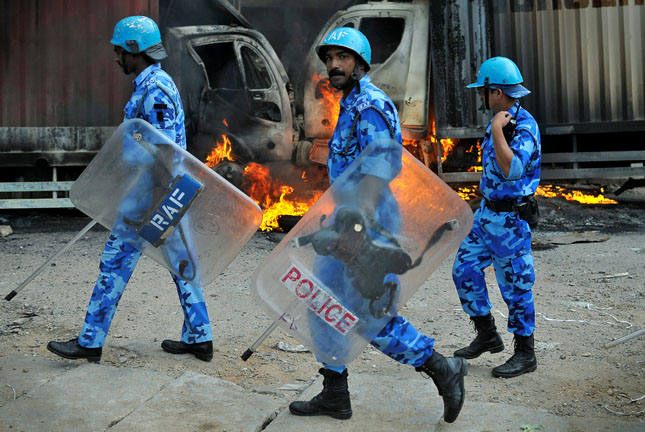
›October 7, 2016 // By Sreya PanugantiAs the remains of nearly 60 buses smoldered at a depot in Bangalore, the “Silicon Valley” of India, protestors chanted, “We will give blood, but not Cauvery!” Downstream, in neighboring Chennai, at least 100 vehicles have been damaged, more than 500 people have been arrested, and a 25-year old died after setting himself on fire in protest.
-
Michael Kugelman, Foreign Policy
Why the India-Pakistan War Over Water Is So Dangerous
›October 6, 2016 // By Wilson Center StaffEarly on the morning of Sept. 29, according to India’s Defense Ministry and military, Indian forces staged a “surgical strike” in Pakistan-administered Kashmir that targeted seven terrorist camps and killed multiple militants. Pakistan angrily denied that the daring raid took place, though it did state that two of its soldiers were killed in clashes with Indian troops along their disputed border. New Delhi’s announcement of its strike plunged already tense India-Pakistan relations into deep crisis. It came 11 days after militants identified by India as members of the Pakistani terrorist group Jaish-e-Mohammed killed 18 soldiers on a military base in the town of Uri, in India-administered Kashmir.
-
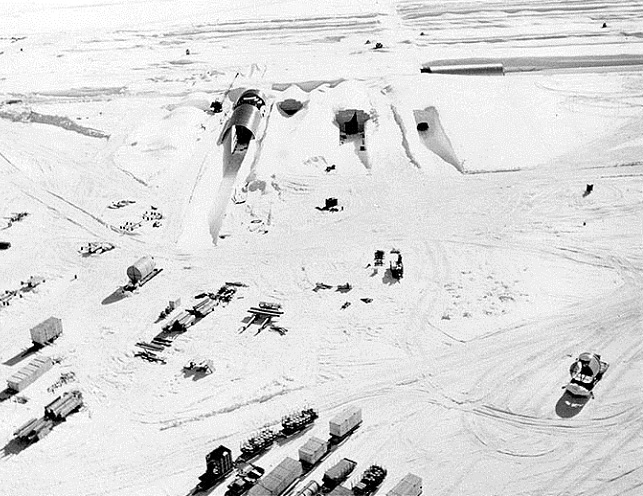
Melting Ice Threatens to Expose Former U.S. Nuclear Base in Greenland
›Climate change is poised to remobilize hazardous wastes that the U.S. Army abandoned and believed would be buried forever beneath the snow and ice in Greenland.
Showing posts from category security.