-
Crisis in Lake Chad: Tackling Climate-Fragility Risks
›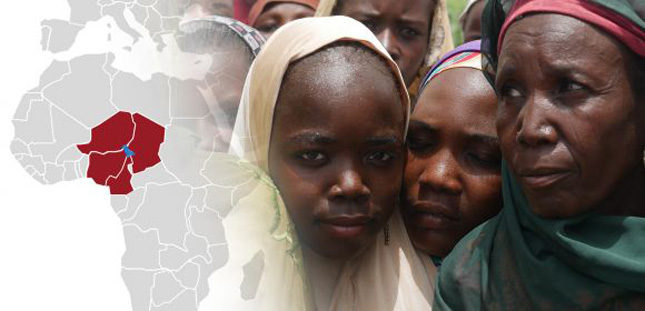
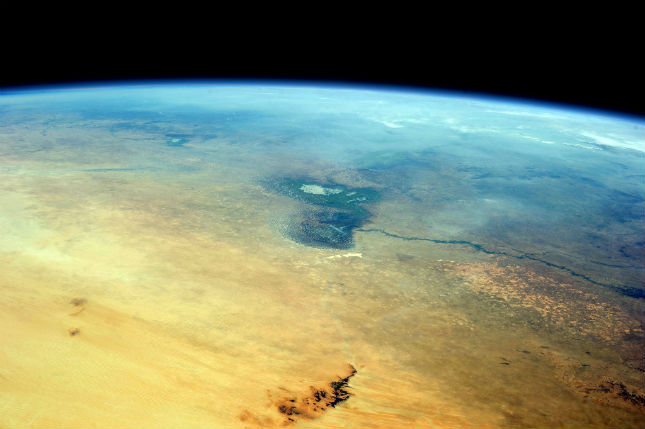
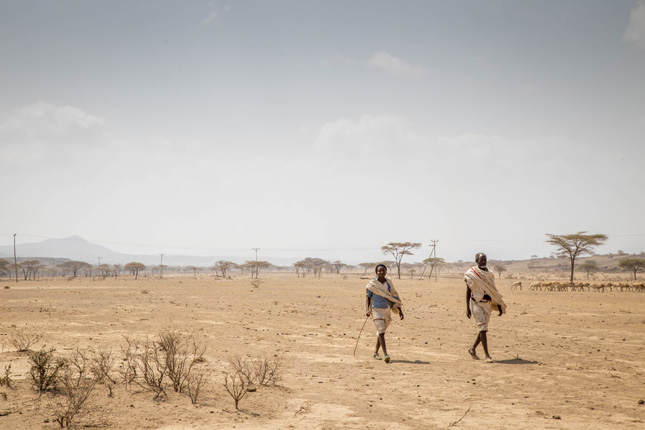
While attention in the United States is focused on the disasters in Puerto Rico and the Caribbean, a crisis across the Atlantic is rapidly becoming one of the worst humanitarian disasters since World War II. In the Lake Chad basin of West Africa, about 17 million people are affected by the emergency, struggling with food insecurity, widespread violence, involuntary displacement, and the consequences of environmental degradation. An estimated 800,000 children suffer from acute malnutrition; and although international donors pledged $672 million in February, the famine and humanitarian misery continues unabated. Suicide bombings and attacks by Boko Haram, which have killed at least 381 civilians since April 2017, have forced many people to leave their homes and farmers to leave their lands, interrupting livelihoods and reducing food supplies.
-
Top 5 Posts for September 2017
›
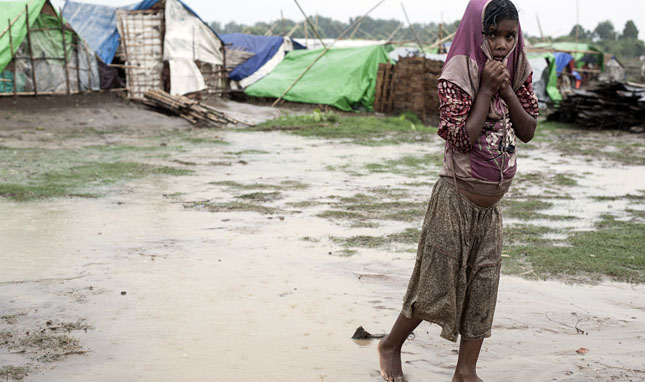
Myanmar’s inter-ethnic disputes undermine an otherwise favorable backdrop for a peaceful democratic transition, write Rachel Blomquist and Richard Cincotta in New Security Beat’s most read story last month. Their analysis was published in April 2016, but it presciently foreshadows the current crisis. Through their multi-dimensional assessment of the demographic tension in Myanmar, the authors show that “[t]he path to democracy seems to cut directly through the Rohingya issue.”
-
Overlooked and Misunderstood: Stories About Climate, Conflict, and Migration
›October 3, 2017 // By Bethany N. BellaBarbuda—an island once full of people—has been rendered completely uninhabitable by Hurricane Irma. Every single resident was evacuated from the island, and some are not planning to return. Climate-induced migration and displacement is not usually this dramatic, but it is not uncommon: Since 2008, UNHCR estimates that an average 21.5 million people each year have been forcibly displaced by weather-related natural disasters, like floods, storms, and wildfires.
-
Backdraft #9: Joshua Busby on Mapping Hotspots of Climate and Security Vulnerability
›Maps help us to grasp complex ideas, such as patterns of risk and vulnerability, but the stories they tell can have significant implications. “It’s very difficult to validate that what you’re capturing in the maps is representative of real-world phenomenon,” says Joshua Busby in this week’s “Backdraft” episode, describing his efforts to map climate and security hotspots in Africa and Asia. “You have to be modest in what you think the maps can tell policymakers, but also realize there is some seductive power in the way maps simplify complex reality.” -
The Unfolding Humanitarian Crisis Around Lake Chad: UN Report Falls Short of Naming Environmental Dimensions
›September 20, 2017 // By Florian KrampeIt is encouraging to see that the United Nations Security Council is beginning to acknowledge the transboundary dimensions of fragility and conflict, as demonstrated by its newly launched Report of the Secretary-General on the situation in the Lake Chad Basin region. The report, which was presented in the Security Council on 13 September 2017, emphasizes the need for regional responses and the enhanced cooperation of different UN and humanitarian agencies as important steps to addressing the unfolding humanitarian crisis. However, while regional responses to address the regional security challenge are desirable, the report would have been stronger if it had highlighted the underlying environmental contributions of the region’s fragility.
-
“We Must Pay Attention”: Hurricanes Harvey and Irma Devastate the Caribbean, Threaten U.S. National Security, Reveal Infrastructure Weakness, Say Wilson Center Experts
›“This is not an island issue, this is not a Caribbean issue, this is an issue that is [also] critical for us,” says Roger-Mark De Souza, the Wilson Center’s director of population, environmental security, and resilience in a recent video interview. “For us in the United States we have to continue to recognize that we ourselves are also vulnerable.” De Souza remains hopeful about the possibility of rebuilding and rebounding in the face of devastation, but also presses the importance of generating response mechanisms which address environmental hazards before they manifest into disasters. “That means planning, it means investing in community mobilization mechanisms, it means thinking about ways we provide humanitarian assistance.”
-
Tomorrow May Be Too Late: Military Leaders Testify on National Security Challenges of Climate Change
›September 11, 2017 // By Amanda KingAs the Senate returns from recess, passing the annual National Defense Authorization Act will be one of its top priorities—and this year it could include a potentially controversial amendment directing the Pentagon to assess the impact of climate change on national security. In the House, the Langevin amendment surprisingly garnered enough Republican support to withstand a challenge in July. Since then, two more senior military appointees have testified to the importance of understanding the challenges climate change poses to national security.
-
Climate Variability, Water, and Security in El Salvador
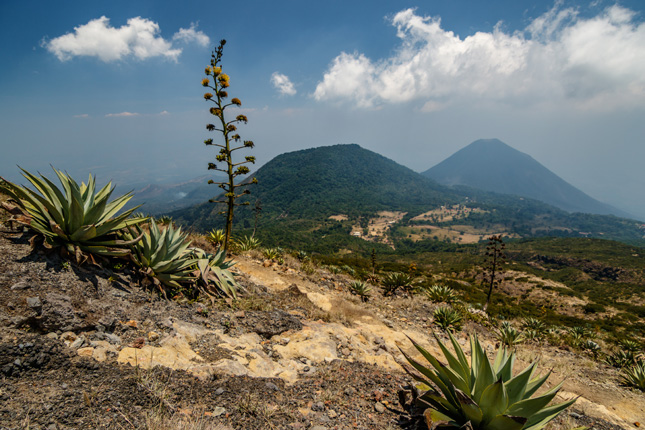
›Water-related challenges in El Salvador have acquired far greater significance over the past decade as they have intersected with other social problems including migration, criminal violence, and drug trafficking. When combined, these factors pose threats to domestic and regional stability. Damaging heavy rains, droughts, and rising temperatures are exacerbated by steadily intensifying El Niño oscillations and threaten the production of staple and export crops. The declining viability of rural livelihoods is driving many farming families to migrate to urban centers or across borders. Food security is a constant concern across the region, and millions already rely on humanitarian assistance. Infrastructure has been damaged repeatedly by floods and raging rivers. El Salvador can mitigate many of these risks by employing ecological landscape restoration. Improving the soil’s capacity to retain and regulate water will help maintain both agricultural and ecological viability.
Showing posts from category security.
 Maps help us to grasp complex ideas, such as patterns of risk and vulnerability, but the stories they tell can have significant implications. “It’s very difficult to validate that what you’re capturing in the maps is representative of real-world phenomenon,” says Joshua Busby in this week’s “Backdraft” episode, describing his efforts to map climate and security hotspots in Africa and Asia. “You have to be modest in what you think the maps can tell policymakers, but also realize there is some seductive power in the way maps simplify complex reality.”