-
Sustainable Water, Resilient Communities: The Problem of Too Much Water
›From the Wilson Center // Water Security for a Resilient World // December 12, 2017 // By Julianne Liebenguth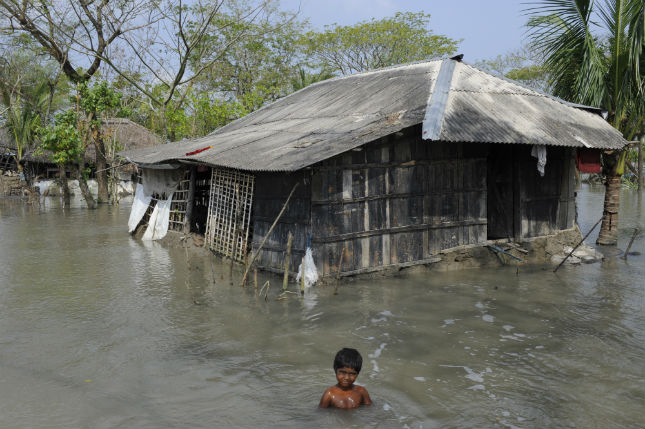
“Floods are one of many factors that keep massive amounts of the population in poverty and always on the brink of disaster,” said Eric Viala at the second event in a four-part series on water security organized by the Wilson Center in cooperation with the Sustainable Water Partnership, which Viala directs. Panelists at the event discussed the impact of intense flooding on vulnerable communities and proposed innovative and collaborative approaches to reducing their risks in the face of disasters.
-
Playing Energy Politics: The Risks of Securitizing Natural Gas Markets in Europe
›
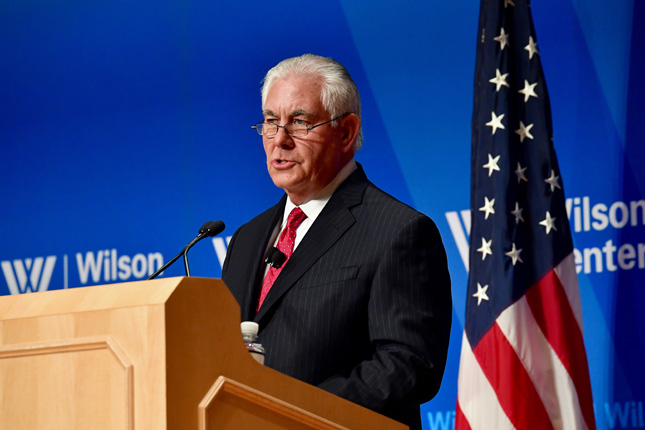
Russia is “playing politics with energy supplies,” said U.S. Secretary of State Rex Tillerson at a major policy speech at the Wilson Center this week. He accused Russia of wielding natural gas “as a political weapon” and said that ensuring European energy security was “fundamental” to U.S. national security objectives. In Europe, the debate is raging over how best to achieve energy security in the face of the twin challenges of Russian dominance and the need to decarbonize the economy. The ongoing securitization of Russian natural gas could not only complicate the road to a low carbon future in Europe, it could also undermine a European integration project that has mostly been a success.
-
The “Most Important Issue We Face”: New U.S. Global Strategy for Water Emphasizes Health and Security
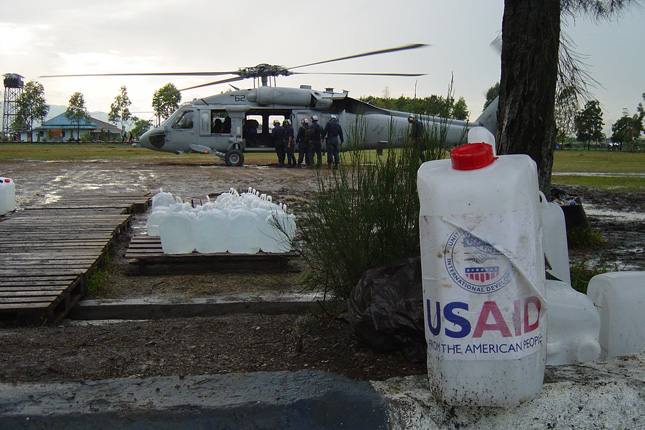
›“Water may be the most important issue we face for the next generation,” writes President Donald J. Trump on the first page of the first-ever U.S. Global Water Strategy. Prepared by the U.S. State Department and released in mid-November, the landmark report was required by Congress’ bipartisan Senator Paul Simon Water for the World Act of 2014. During the public comments phase, the New Security Beat published recommendations from its fellows and experts. Now that it is out, we’ve asked them to share their thoughts on the final report.
-
Building Stability in the Middle East: Defining a Transatlantic Agenda for Climate Resilience
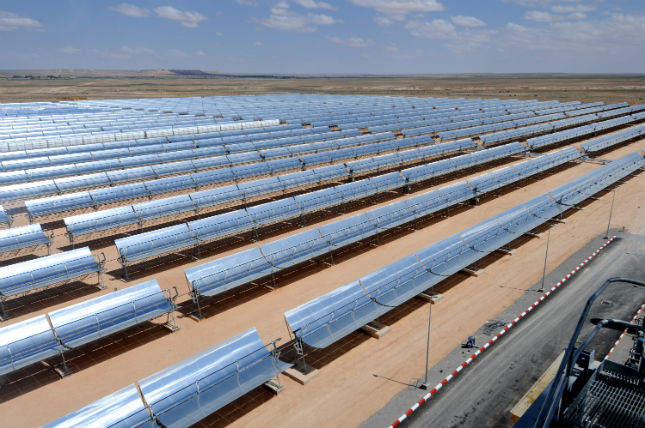
›Climate change can undermine stability in the Middle East and North Africa, where both the United States and Europe have critical foreign policy and security interests. The Middle East and North Africa (MENA) region “is impacted by climate and resource scarcity risks now, in the medium, and in the long term,” said Nick Mabey, director and chief executive of the environmental think tank E3G, during a recent Wilson Center event on building climate resilience in MENA countries. “It’s a region that is highly vulnerable to climate change,” said Mabey, and “also incredibly vulnerable to global systems.”
-
Alice Hill: Invest in Resilience to Manage Future Risks to Economy, Security
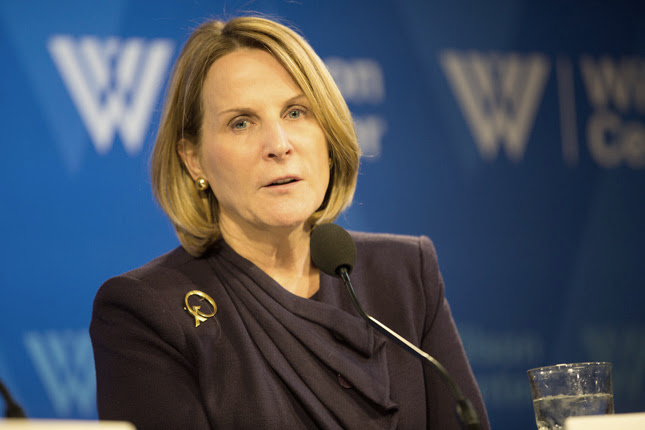
›As our climate changes, “we are vulnerable to unacceptable risks of failures in functionality, durability, and safety,” said Alice C. Hill, former senior director for resiliency policy for the National Security Council, as she launched Resilience Week at the Wilson Center. During the week, members of the UN Resilience Academy joined representatives from the Wilson Center, Stanford Woods Institute for the Environment and the Hoover Institute for in-depth discussions on building global resilience in the face of environmental change. “Resilience is proving necessary to withstand the disruptions to our very interconnected systems,” she said.
-
A Toxic Legacy: Remediating Pollution in Iraq
›As the so-called Islamic State loses control over the areas it once occupied, it is leaving behind a toxic legacy. The initial findings of a scoping mission undertaken by UN Environment Programme’s Conflict and Disasters branch found a trail of localized pollution that could have acute and chronic consequences for Iraq—and not just for its environment.
-
An Unholy Trinity: Xinjiang’s Unhealthy Relationship With Coal, Water, and the Quest for Development
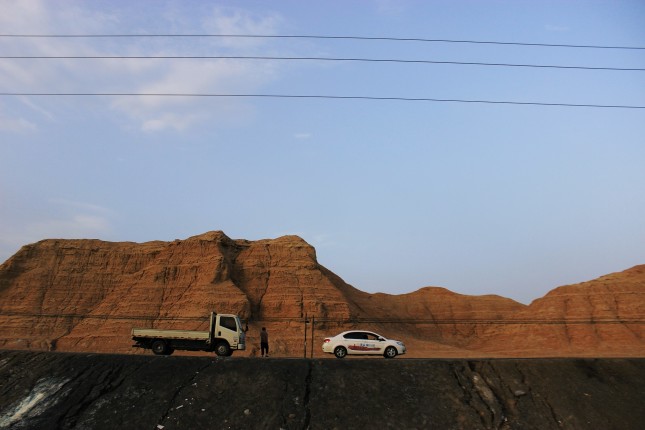
›Sitting shotgun in a beat-up vehicle en route to Tashkorgan a small town in the western Chinese province of Xinjiang, I soaked in the magnificence—or what I could see through the dust-coated windshield. The unpaved and rocky road, which carves through the precipitous Karakorum pass, will be (when finished) a key link in China’s “One Belt One Road” plan to connect China to Pakistan. China’s ambitious plans for westward expansion will demand an almost inconceivably enormous amount of energy and resources, and water-scarce Xinjiang will play a central role. With plans like these, how can China meet its water needs?
-
The New Middle Eastern Wars: To Protect Civilians, Protect Environmental Infrastructure
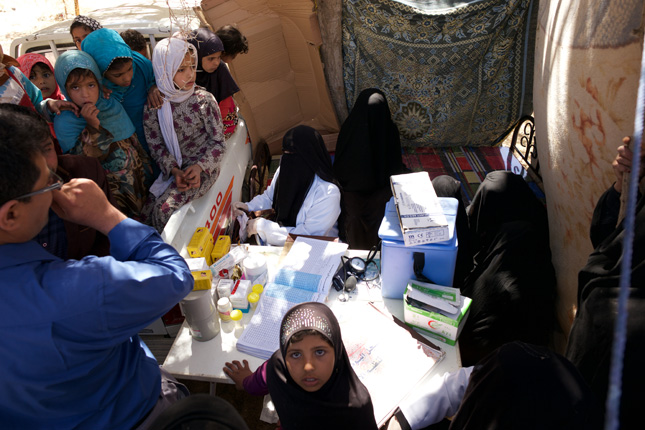
›Six years of brutal warfare have destroyed basic infrastructure in Yemen, Libya, and Syria. While U.S. and European governments have been largely preoccupied with providing immediate assistance and dealing with refugees, international humanitarian organizations—such as the International Committee of the Red Cross and Doctors without Borders—are focusing on how to repair, maintain, and safeguard the facilities that provide essential services like clean water, sanitation, and electricity. Yet these efforts are hindered by lack of resources, protracted violence, and—most insidiously—by the warring parties’ intentional targeting of humanitarian actors and environmental infrastructure. Just as the extensive damage from hurricanes in the Caribbean and southeastern United States has underscored the need for more resilient infrastructure, the wars of the Middle East show that protecting infrastructure is key to protecting civilians caught up in conflict.
Showing posts from category security.