-
Navigating Land and Security When Climate Change Forces People to Relocate
›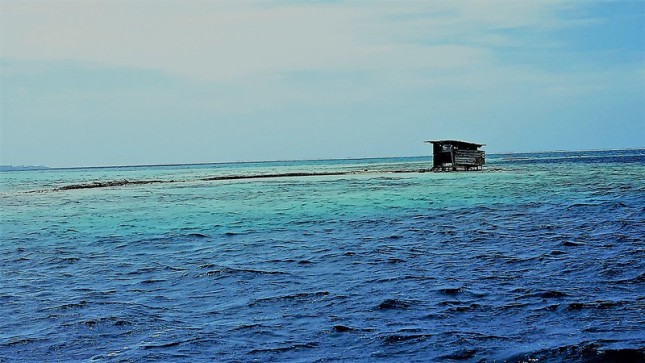
At an event organized by the Coalition of Atoll Nations on Climate Change in December 2019, Tabitha Awerika, 21, from Kiribati, urged world leaders to listen to the climate science and to the pleas of those living in the South Pacific. “I will not leave the lands of my ancestors,” she said. “I will not abandon my motherland. I refuse to leave the only place I call home.”
-
Health Security is National Security
›
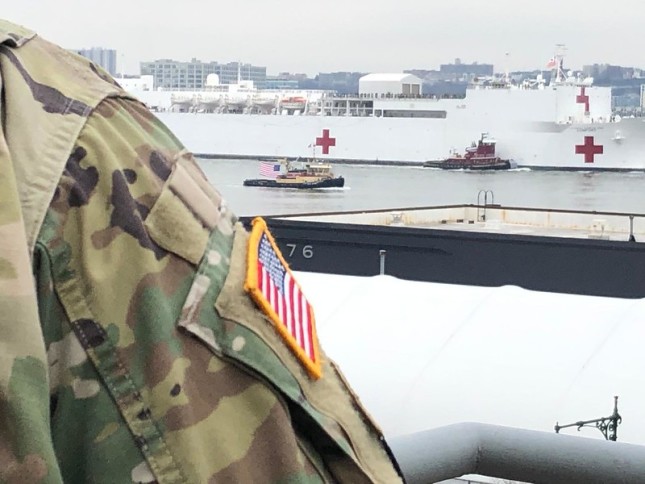
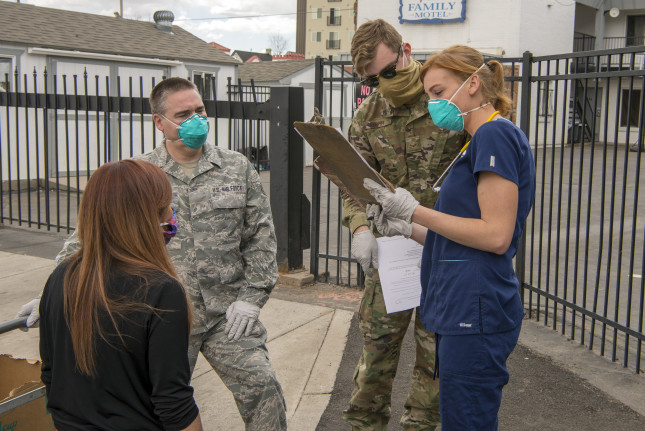
In the last several weeks, editorials by former U.S. national security professionals, particularly in The Washington Post and Just Security, argued for the need to expand the definition of national security in light of the coronavirus. Such expansion, they assert, should include climate change and infectious diseases like the coronavirus. Their pleas call for greater emphasis on human security in the national security discourse.
-
Local Solutions Needed to Stem Humanitarian Crisis in Central America’s Dry Zone
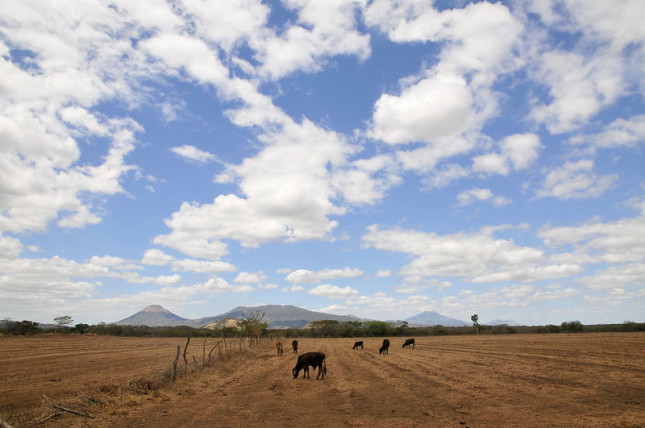
›As the humanitarian community responds to the Covid-19 pandemic, other long-term pressing priorities persist and require innovative solutions. The dry zone which extends across Central America encompassing parts of Guatemala, Honduras, El Salvador, and Nicaragua and a 10-year drought has left 1.4 million people in urgent need of food assistance. The impact of climate change, which includes extreme drought, poses an ever-increasing risk across Central America and contributes not only to food insecurity but also to migration issues that have plagued the continent in recent years.
-
Gender and the “War” on Covid-19
›The rhetoric of war is all around us during the Covid-19 pandemic, from the World Health Organization to historical takes. More critical assessments note that this war, like others, will hurt the most vulnerable. In a recent essay, feminist political scientist Cynthia Enloe takes issue with this rhetoric, pointing to the historic ways in which wars have led to “racist, homophobic, and anti-Semitic practices.” Whether or not war rhetoric is helpful at this crucial moment, the current pandemic should be a wake-up call to expand what investments we consider essential to our national security, how we value work, and who gets called a hero.
-
Migrant Workers in India: Insecurity in the Time of Coronavirus
›“The only certainty is uncertainty,” Pliny the Elder reportedly said. Though all historical times are full of uncertainties, some seem more so than others. This is one of those times.
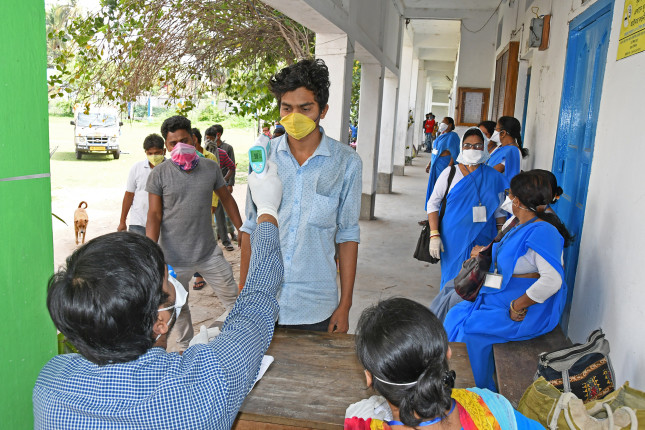
A major slowdown of the Indian economy was brewing and completely spilled over when I got to India in September 2019 to start my dissertation fieldwork on Indian women construction workers’ experiences and conceptualizations of Human Security. Wages stagnated. Consumer spending fell. Construction, real estate, and other industries were sent reeling. Construction workers’ livelihoods were teetering on the brink. Uncertainty became the backbone of their existence.
-
Covid-19 and Conflict Zones: Prepare Now or Face Catastrophe
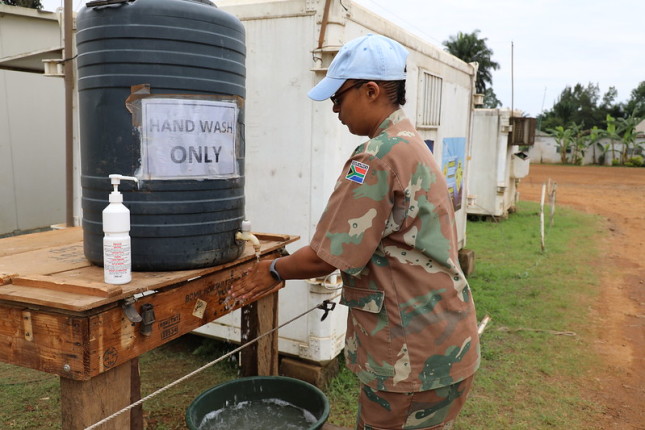
›As we have seen over recent weeks, the impact of Covid-19 has caused unprecedented disruption, deaths, and confusion in developed countries. The public health capacity of countries such as the United States and UK has been overwhelmed.
-
Chitra Nagarajan on What’s Changed for Women in Lake Chad Region
›“Women and men face very different risks and challenges,” said Chitra Nagarajan, a writer and journalist who covers climate change, conflict, and gender. She spoke in this week’s podcast about what’s changed in the Lake Chad region. In the last few years the combination of profound climate change and high levels of insecurity have made life harder for the local population. To get a sense of how recent changes have affected Lake Chad’s residents, Nagarajan interviewed more than 250 people. These are some of her findings. -
Destruction of Habitat and Loss of Biodiversity are Creating the Perfect Conditions for Diseases like COVID-19 to Emerge
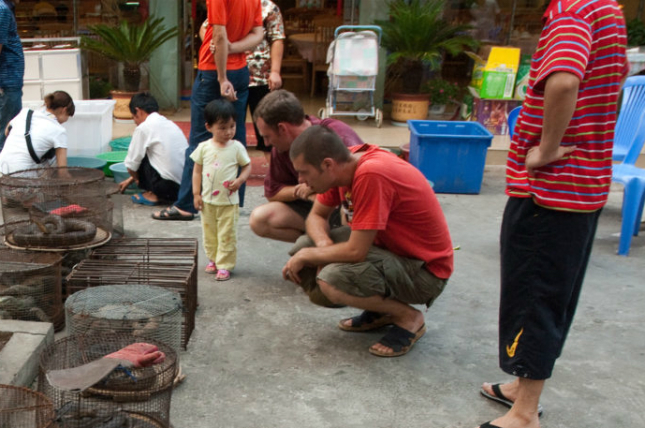
›Mayibout 2 is not a healthy place. The 150 or so people who live in the village, which sits on the south bank of the Ivindo River, deep in the great Minkebe forest in northern Gabon, are used to occasional bouts of diseases such as malaria, dengue, yellow fever and sleeping sickness. Mostly they shrug them off.
Showing posts from category security.
 “Women and men face very different risks and challenges,” said