-
Water @ Wilson Event | Water, Peace, & Security: New Tools for a New Climate
›Water sustains life on our planet. And access to clean and safe water is foundational to society. So why has it only been in recent years that water has risen to the top of discussions of climate and security? Richard W. Spinrad, the Under Secretary of Commerce for Oceans and Atmosphere and NOAA Administrator, says that one of the biggest reasons is the major impact that climate-related changes in precipitation like droughts and extreme rainfall are having across the globe: “We’re starting to see things like we’ve never seen before. The nature of storms is changing: We saw five feet of rain fall in Hurricane Harvey. Five feet.”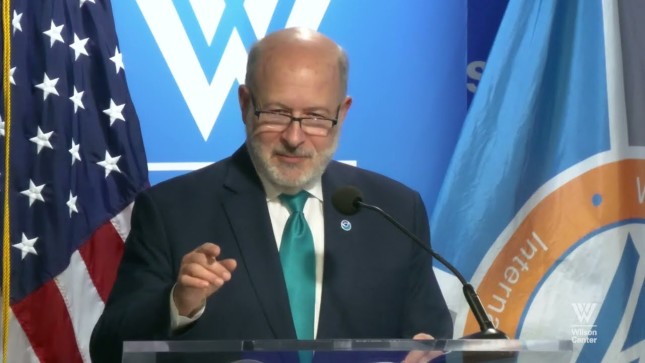
-
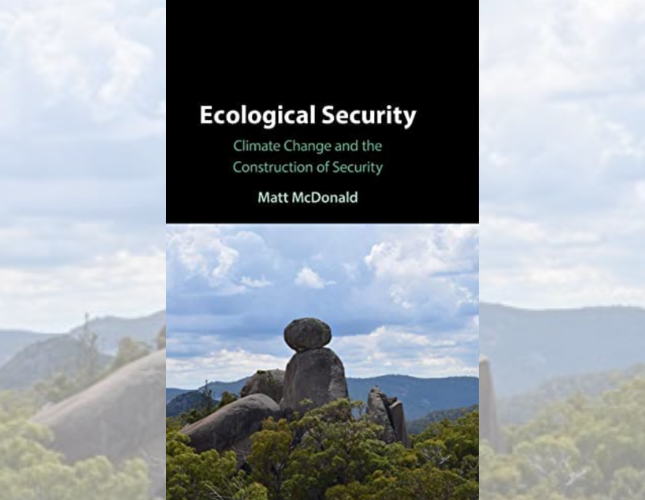
Climate Change and Ecological Security
›
As climate change is increasingly recognized as a security issue, a parallel understanding is also developing. Traditional categories and approaches may not be the optimal way to address the threats posed by climate impacts.
The nation states and international institutions at the center of security discussions now are shifting their approach. For instance, the U.S. has affirmed and moved to institutionalize its commitment to address the national security implications of climate change under the Biden Administration. In doing so, it is joining an increasing number of other nation-states (the UK, France, Sweden, Germany and New Zealand) that have also developed institutional arrangements and plans for their national response to climate insecurity.
-
COP27: Growing Roles for Agriculture and Food Security
›Every year, more than two billion farmers around the world work the land day in and day out to earn a living and produce what is needed to feed and clothe an ever-growing global population that reached 8 billion in November 2022. Though they bear the brunt of climate change on the front lines, many of the world’s farmers, ranchers and fishers are unaware of the international processes that affect their livelihoods.
-
COP27 in Egypt: Putting Human Rights on the Climate Agenda
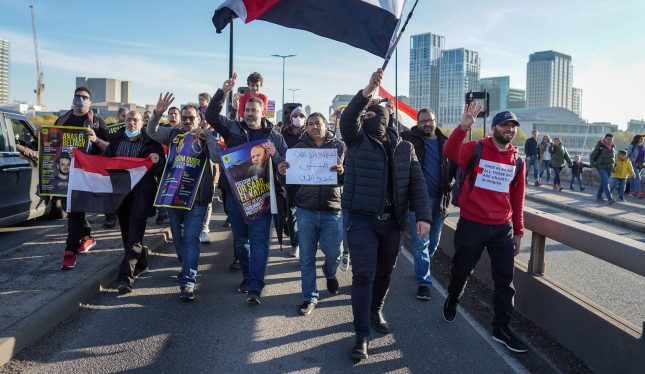
›Cairo hoped that COP27 would focus on its stated agenda: climate change adaptation. Yet it was human rights concerns—such as jailed pro-democracy activist Alaa Abdel Fattah’s hunger strike and rumors of restricted internet access to human rights platforms—that often stole headlines from climate policy or funding pledges. The persistence of human rights coverage demonstrated that Egypt and many other governments fail to recognize that strong governance, human rights protections, and climate change adaptation are mutually reinforcing and have overlapping policy actions.
-
One Earth, one security space: from the 1972 Stockholm Conference to Stockholm+50 and beyond
›The 1972 United Nations Conference on the Human Environment marked a watershed in world environmental politics. Gathered in Stockholm, Sweden, the international community collectively recognized that the technologies and economic models that enable modern development were also driving unsustainable environmental degradation, compromising the vital natural systems on which human well-being depends.
-
Retiring Coal? The Prospects Are Brighter Than They Appear
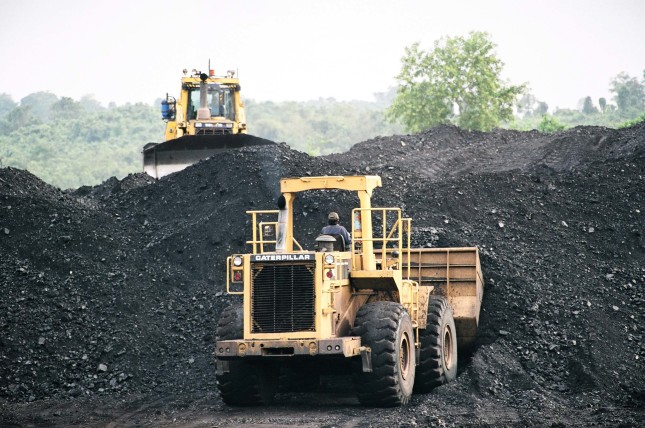
›As COP27 draws to a close, the conference is proving to be a disappointment for environmental advocates focused on eliminating the planet’s number one emitter: coal-fired power.
Yet only a year ago, at the UN climate talks in Glasgow, it felt different. At that time, one could be forgiven for getting excited about the prospects for phasing out coal fired power. Countries had committed to ending its use. Tantalizingly, coalitions of international partners and multilateral development institutions also introduced mechanisms that could help finance closures at scale.
-
Creating a Just Transition in Green Minerals: A New Video from the Wilson Center and its Partners
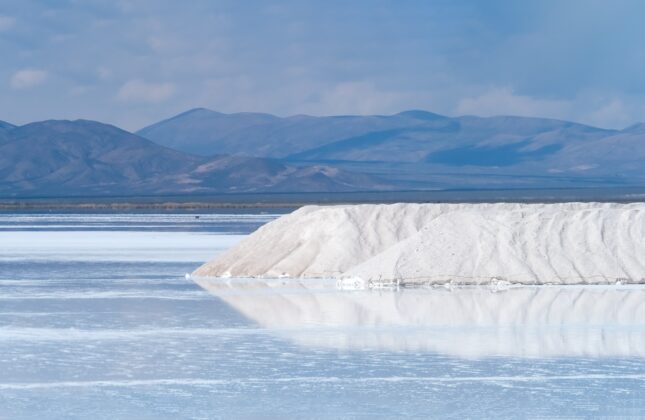
›We need minerals to build the solar panels, wind turbines, and other technologies that will decarbonize our economies—and we need a lot of them. The World Bank estimates that demand for lithium, cobalt, and graphite could jump by as much as 500 percent by 2050. Yet mining for these resources has had a fraught history, and it continues to be associated with a hefty list of human rights and conflict risks, including violence, child labor, poor working conditions, land rights abuses, environmental damage and pollution, and a lack of community participation. -
New Analysis by Peter Schwartzstein: How Water Strategizing is Remaking the Middle East
›In the run up to COP 27 in Sharm El-Sheikh, Egypt, the first summit of its kind to be hosted in the region, water is rising on the agenda, and for good reason. In a new essay for the Wilson Center, Global Fellow Peter Schwartzstein explores how governments across the Middle East are approaching a world with less water – and to what effect. Drawing on a decade of environmental reportage from the Middle East, Schwartzstein sketches out how, why, and with what consequences states have adopted often dramatically divergent strategies.
Showing posts from category security.