-
Water @ Wilson | The Significance of the Coming El Niño: Understanding the Science and Preparing for Its Impacts
›When the National Oceanic and Atmospheric Association (NOAA) declared the beginning of an El Niño event on June 8, 2023, the recurring climate pattern featured in headlines all over the world as media outlets sought to cover its anticipated impacts.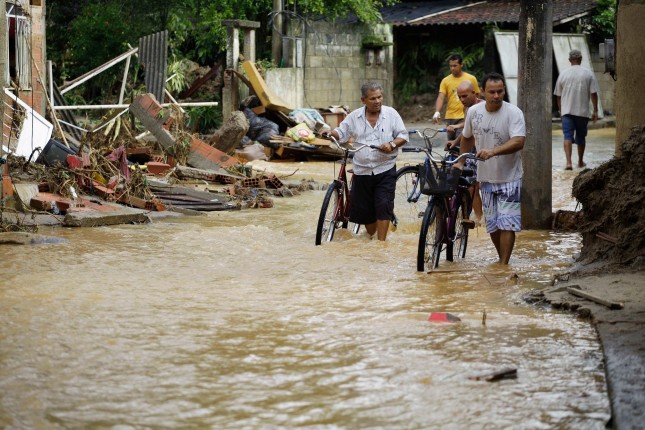
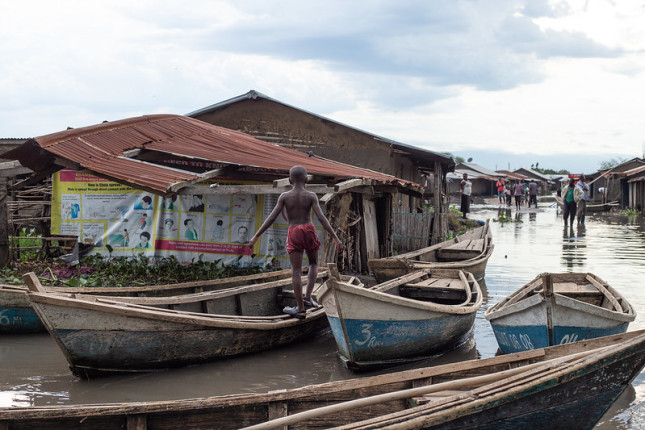
A recent Water @ Wilson event –“The Significance of the Coming El Niño: Understanding the Science and Preparing for its Impacts”—brought together experts at the Wilson Center to explain the complex science behind El Niño and explore its regional implications. The speakers also surveyed the policy tools at our disposal to prepare for its significant climate effects.
-
John Podesta on the Inflation Reduction Act and a New American Industrial Strategy
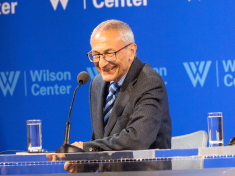
› Through the Inflation Reduction Act, the Biden administration has launched a new industrial strategy. Today’s episode of New Security Broadcast highlights a fireside chat at a Wilson Center event between John Podesta, Senior Advisor to the President for Clean Energy Innovation and Implementation, and Duncan Wood, Wilson Center Vice President for Strategy and New Initiatives. Podesta and Wood explore the opportunities provided by the Inflation Reduction Act for the U.S. and its allies.
 -
Conflict, Crisis, and Peacebuilding: Afghanistan and Regional Water Security
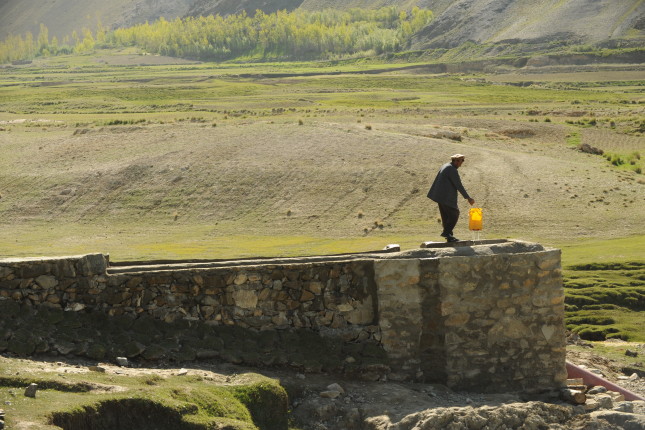
›Gunfire erupted at the border of the Afghan Nimroz Province and Iran’s Sistan-Baluchistan Province on May 27, 2023, amid rising tensions over water rights, killing troops on both sides.
Iranian and Afghan government officials have blamed each other for triggering the incident. But whatever the cause, the tensions over water flows between these nations have been simmering for at least a century. Indeed, in 1999, under the first iteration of the Taliban, flows were restricted completely causing damage to the delicate Hamoun Region—a registered UNESCO biosphere site of social and ecological importance.
-
Tackling Challenges in the MENA Region: Climate, Food Security, and Migration
›At a recent Brookings Institution event titled Climate Change, Food Insecurity, and Migration in the Middle East, Ferid Belhaj, Vice President for the Middle East and North Africa (MENA) at the World Bank, observed that the MENA region relies heavily on grain exported from both Ukraine and Russia. When the 2022 invasion reduced grain exports to a trickle, the entire region suffered heavily.
-
Addressing the Converging Risks of Climate, Insecurity, and Migration in Central America
›May 19, 2023 // By Claire DoyleThe idea of climate change as a “threat multiplier” has been gaining steam since it was first proposed roughly 15 years ago. This framing acknowledges that climate can interact with existing political, social, and demographic conditions to heighten communities’ security risks—which in turn suggests that problem-solving in the face of these risks must be interdisciplinary.
-
Russia’s War in Ukraine: Green Policies in a New Energy Geopolitics
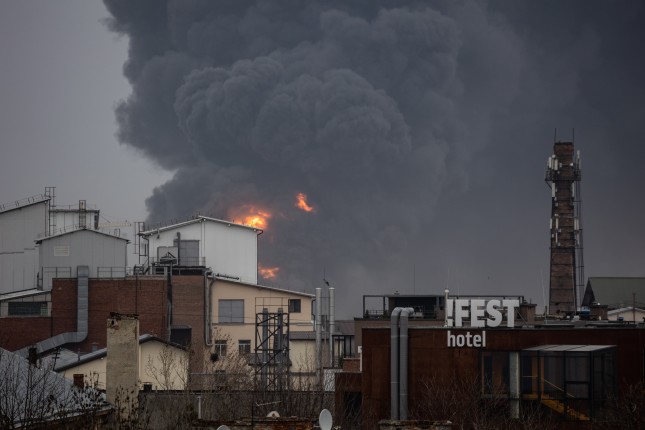
›Russia’s brutal aggression has wreaked devastation in Ukraine for more than a year. It has also forced a fundamental rethink of geopolitics. Central to that new thinking is the role of energy security and how to manage the insecurities created by the lopsided dependencies exposed by the conflict.
-
What’s Next in Climate Security Studies? Exploiting Synergies Between Practice and Research
›The increase in global temperatures by over 1 degree Celsius since preindustrial times is already having broad and significant impacts. An ongoing multi-year drought in Eastern Africa, for instance, has been attributed to global warming. Hunger crises, displacement, and exacerbated conflict between pastoralist groups are some of the reported dire consequences.
-
New Security Broadcast | The Link Between Food Insecurity and Conflict: A New Report from World Food Program USA
›To better understand the complex dynamics of global hunger and the urgent need for more collective action to address this humanitarian crisis, Chase Sova, Senior Director of Public Policy and Research at World Food Program USA, and his colleagues recently launched a new report, “Dangerously Hungry.” In today’s episode of New Security Broadcast, ECSP Program Coordinator and Communications Specialist, Abegail Anderson, speaks with Sova about the report’s analysis on the current state of global hunger and its devastating impacts on vulnerable populations.
Showing posts from category security.