-
Building a Case for Integrated Development: A New Research Agenda and Examples From the Field
›
With the Sustainable Development Goals nearing their one-year anniversary, the global community continues to strive toward eradicating poverty by 2030. In order to achieve this ambitious target, many international development practitioners are embracing a more holistic approach to development, combining traditionally single-sector programming, like health or environment work, into more comprehensive efforts. But such integrated development is sometimes easier said than done.
-
UN, U.S. Summits Offer Modest Immediate Relief to Refugees, But Systemic Reforms Needed
›
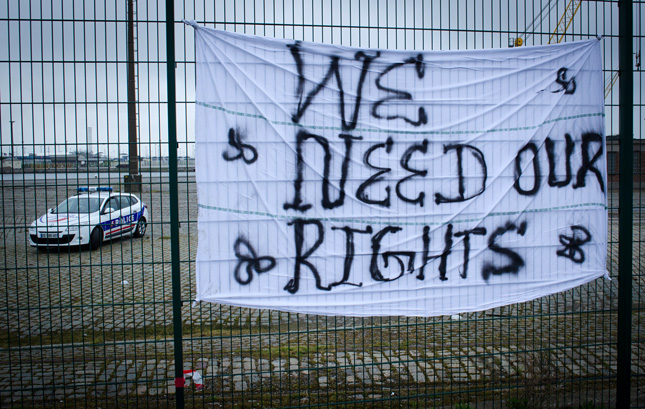
Heads of state gathered in New York for the September 19 United Nations Summit on Refugees and Migrants will reaffirm principles of international law, pledge to treat asylum seekers more humanely, and promise to improve coordination between humanitarian and development organizations.
-
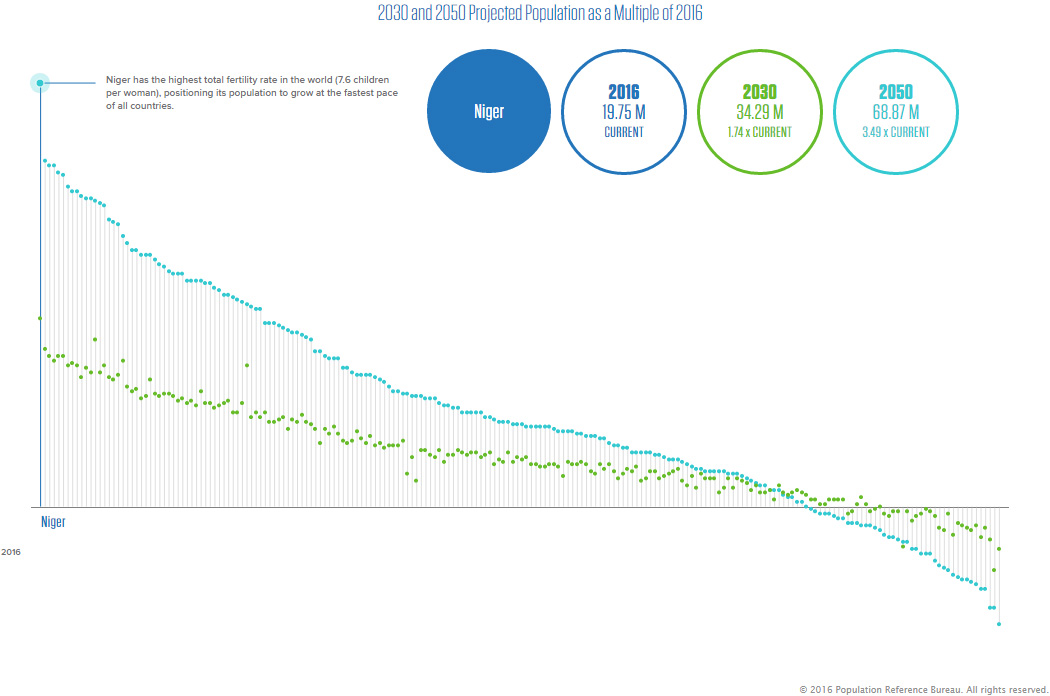
Striving for Sustainability at 10 Billion: The 2016 World Population Data Sheet
›Featured side by side at the top of The New York Times home page recently were two stories: one on the United States and China, the world’s largest producers of carbon emissions, committing to a global climate agreement, another on how rising seas are already affecting coastal communities in the United States.
-
A New Kind of Conservation: Making the Connection Between Community and Nature
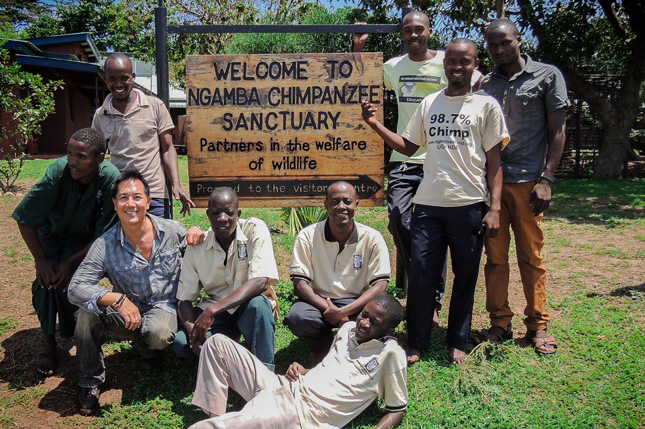
›An increasing number of conservation and health activists are beginning to understand the value of an integrated approach to development. Without addressing the needs of people, conservation measures will not be very effective, and conversely, without conservation, people lose vital natural resources and suffer consequences to their health.
-
The Women of Sarawak and Mindoro on the “Invisible Battles” of Climate Change
›Although separated by a thousand miles, the women of the Malaysian state of Sarawak and the Filipino island of Mindoro are united by a major struggle: climate change. As rainfall patterns grow increasingly unpredictable, natural disasters become more frequent, and drought ravages once-arable land, women are on the frontlines in both communities.
-
Left Out and Behind: Fully Incorporating Gender Into the Climate Discourse
›August 22, 2016 // By Cara ThuringerMore often than not in the discourse around gender and climate change, the word “gender” is used primarily to refer to women. There is no disputing that women are acutely vulnerable to the effects of climate change in ways that are different than men and sometimes hidden. However, this interchangeable use of words neglects other dimensions of gender, sexual orientation, and sexual identity. As a result, we are missing important ways gender impacts people’s experiences with climate change.
-
As Cities Grow More Crammed and Connected, How Will We Discourage the Spread of Disease?
›Near the corner of Broadwick and Lexington in London’s Soho neighborhood, a single spot on the ground has influenced more than 150 years of urban development. It’s the location of a water pump that in 1854 physician John Snow pinpointed as the source of contamination leading to a widespread outbreak of cholera in the neighborhood that killed more than 600 people.
-
Shreya Mitra, Resilience Compass
Lessons on Building Peace in Fragile Contexts From South Sudan
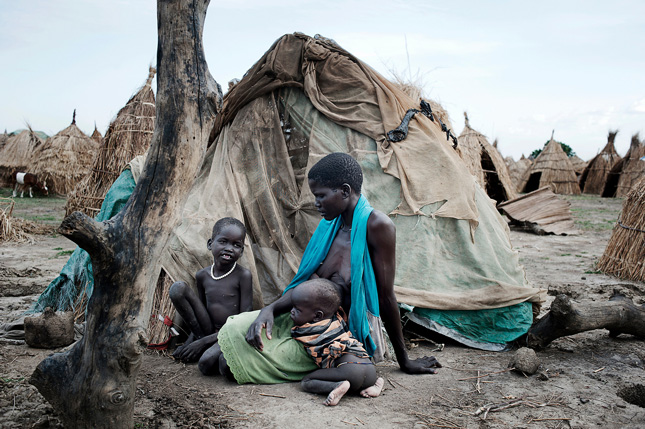
›August 11, 2016 // By Wilson Center StaffEarlier this month, armed clashes between competing factions of South Sudan’s government broke out in the capital Juba, a day after the nation’s fifth anniversary of its independence. The conflict dates back to political events and factional fighting that first emerged in 2013.
Showing posts from category population.