-
In Lesotho, Population Pressures Have Created a Perfect Storm of Human Insecurity
›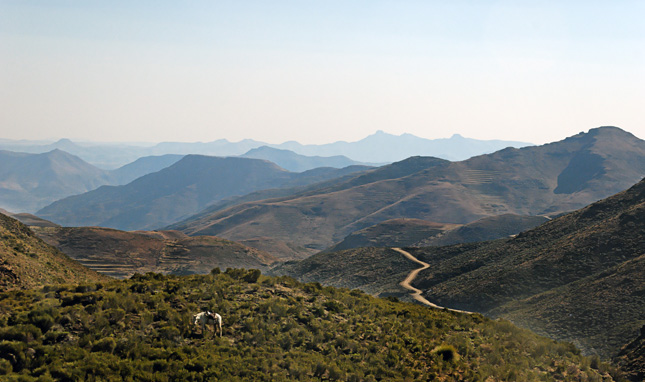
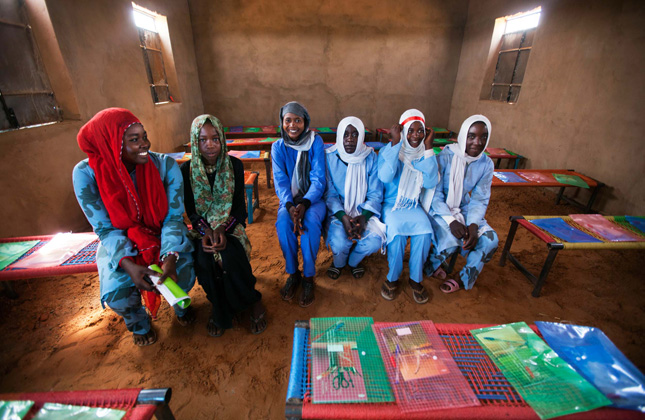
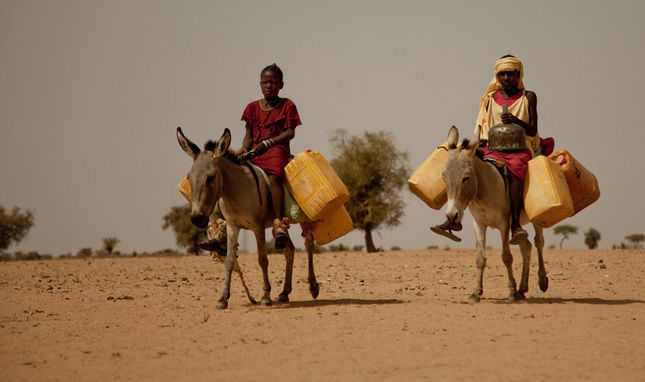
Since declaring its independence in 1966, Lesotho has faced severe challenges to virtually every dimension of human security, writes Eugene Linden in a recent New York Times opinion article. In recent years, drought – coupled with widespread soil erosion and rapid population growth – has pushed a large portion of Lesotho’s two million people to the verge of starvation, which Linden calls “just one example of how fragile the future seems for Africa, large parts of which face the prospect of new famine and, in consequence, further catastrophic displacement within and among their growing populations.”
-
Sustainable Development Approaches to Youth and the Demographic Dividend
›
“Investing in youth is a recipe for success,” said Elizabeth Dawes Gay, senior policy analyst at the Population Reference Bureau (PRB), during a webinar on June 22, 2017, organized by PRB’s PACE project on the connections between the population, health, environment (PHE) approach to international development, and achieving the demographic dividend.
-
Focus on Refugee Skills To Move Beyond Arguments About Resettlement
›In a June 12 speech to governments and NGOs at UNHCR’s annual consultations on refugee resettlement in Geneva, UN High Commissioner for Refugees Filippo Grandi made a passionate plea for additional resettlement pledges from participating nations. He will likely be disappointed.
-
Climate, Conflict, and Refugees: Examining the Impact of Environmental Change on Human Security
›“There’s a long list of crises that can have a natural resource base,” said Anne C. Richard, former assistant secretary of state for population, refugees, and migration, at a Stimson Center panel on June 13, 2017, on the impacts of climate change on human security and mobility. The panelists included Kelly McFarland of Georgetown’s Institute for the Study of Diplomacy (ISD), Rod Schoonover of the National Intelligence Council, and Sally Yozell, director of Stimson’s Environmental Security Program.
-
Urban Africa: Opening Doors, Greening Cities
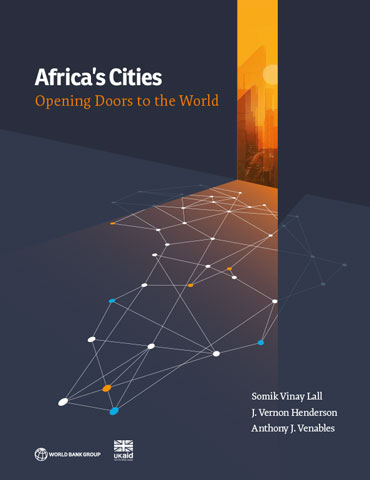
›Cities in sub-Saharan Africa are growing rapidly. But will this
lead to economic growth? According to a recent World Bank report, Africa’s Cities: Opening Doors to the World, the low level of regional and international trade is one of the main reasons why African cities are relatively poor. -
Lessons From International Water Sharing Agreements for Dealing With Climate Change
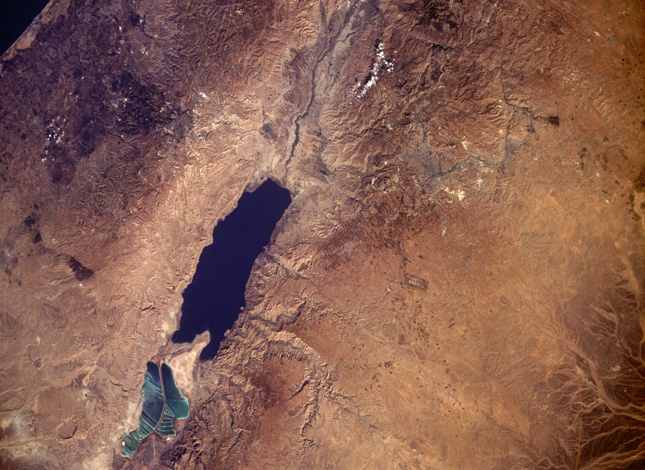
›Scientists agree that many countries in tropical, subtropical, and arid regions should expect changes to water availability and supply from climate change. The U.S. intelligence community has likewise warned of water-driven challenges not only for countries directly affected by water changes, but indirectly to various U.S. national security interests. Perhaps not surprisingly then, the popular literature has been quite clear about prophesizing wars over water.
-
Water Security and U.S. Foreign Policy in India, Pakistan, and the Philippines
›In 2012, the U.S. National Intelligence Council judged that within the next 10 years, water problems would be a major contributor to instability in “many” countries that are of interest to the United States. South and Southeast Asia, with its many transboundary river basins, large populations, and geopolitical flashpoints, is one among a number of hotspots where such instability could occur.
-
The Melting Arctic Could Spur Even More Migration in the Sahel, But There Are Some Surprising Solutions
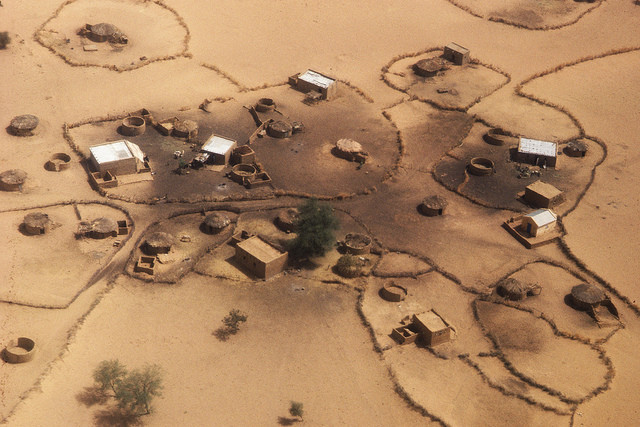
›A new study published in the Proceedings of the National Academy of Sciences says that melting in Greenland could change ocean currents and cause unprecedented drought in Africa’s Sahel region, the Washington Post reported last week: “The consequence could be devastating agricultural losses as the area’s climate shifts. And in the most severe scenarios, tens of millions of people could be forced to migrate from the area.”
Showing posts from category population.