-
Story of the Decade: Population Dynamics (and Women and Water) Top List of Our Most Popular Posts
›
This One Goes to 11.
Eleven years ago this week, the New Security Beat began covering population, environment, and conflict connections. Today, our goal remains the same as in 2007: to provide insight on today’s new security threats and to share overlooked opportunities for cooperation. As we wrote then, “countries in crises often share the problems of rapid population growth and deteriorating environmental resources”: and unfortunately, the same trends continue undermine peace and deepen poverty. But we’ve also analyzed notable global efforts, including the Sustainable Development Goals and the growing resilience agenda, that offer hope for progress.
-
The 30th Anniversary of the Safe Motherhood Initiative
›
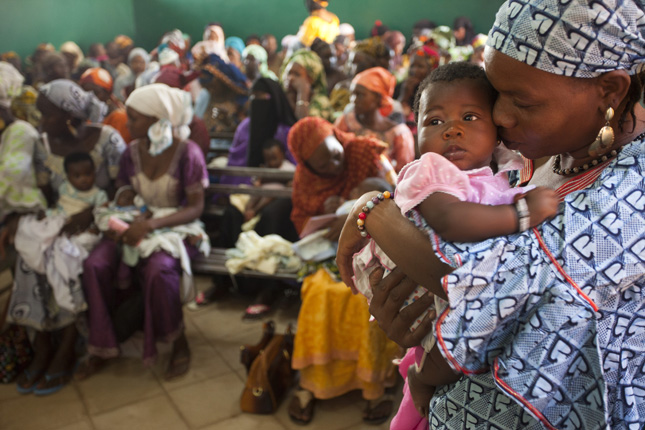
Since 1987, the number of women dying during pregnancy and delivery has dropped by 43 percent, saving hundreds of thousands of women’s lives—and changing the lives of their families—around the world. “Our achievement in making maternal mortality an injustice that needs to be recognized by health ministers, by heads of state, by heads of agencies, has been, I think, the single greatest achievement of the Safe Motherhood Initiative” since it began 30 years ago, said Ann Starrs, President and CEO of Guttmacher Institute, at a Wilson Center event marking the anniversary of this important effort.
-
The More Things Change: Resilience, Complexity, and Diplomacy Are Still Top Priorities in 2018
›This new year brings new projects—and some sad goodbyes. Today, I’m excited to begin my leadership of Sister Cities International, the world’s largest and oldest network of citizen diplomats. And I’m sorry to leave the Wilson Center, which has been my home for the last five years. But it’s not a long goodbye: I will continue to work with the Global Sustainability and Resilience team as a Global Fellow and as an advisor to the New Security Beat. In all of these roles, my New Year’s resolution is to renew our commitment to making a real difference in global well-being and sustainability. And while this year promises great changes, three key priorities will continue to inspire me and guide our collective efforts: resilience, complexity, and diplomacy.
-
Healthy Women, Healthy Families: Saving Money and Lives With Faith-Based Family Planning
›“All of the major religions of the world are really quite concerned with addressing the needs of the poor and also the disadvantaged,” said Victoria Graham, senior NGO technical advisor at the U.S. Agency for International Development, at the Wilson Center on July 18. “They’re always looking for interventions that address their needs, including health needs. And family planning is probably the most cost-effective way of doing this. Across the continuum – from looking at the economy to the family to saving lives – family planning is an excellent intervention.”
-
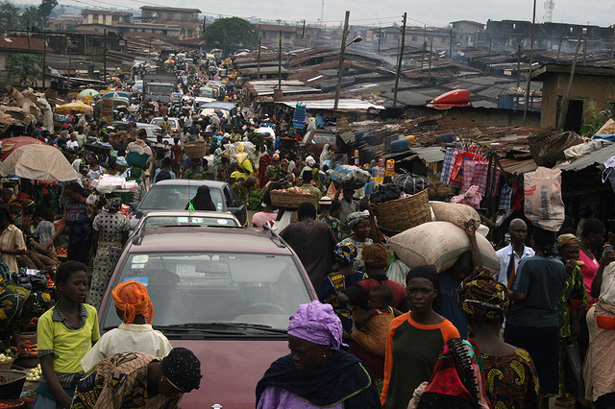
Opening the Demographic Window: Age Structure in Sub-Saharan Africa
›Over the past 25 years, economic and political demographers have documented how declines in fertility rates have preceded improvements in state capacity, income, and political stability in much of East Asia, Latin America, and, most recently, in the Maghreb region of North Africa (Tunisia, Morocco, Algeria). Nonetheless, social scientists still debate over where and when this “demographic dividend” will occur in the youthful, low-income countries of sub-Saharan Africa. Elizabeth Leahy Madsen of the Population Reference Bureau and I find that, for most youthful countries—like those in sub-Saharan Africa—changes in population age structure provide a means to gauge the timing of their future development.
-
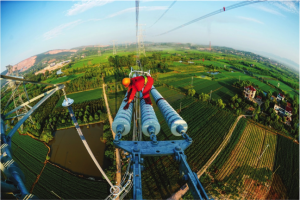
China’s Silver Bullet: Can the Transmission Grid Solve China’s Problems?
›With air pollution causing more than one million deaths in 2015 and reducing the lifespan of citizens in northern China by three years, clean energy has become a top priority for China’s leaders. China tops the world in wind and solar power installations and the government plans to invest more than $360 billion through 2020 on renewable energy. But the green energy transition needs more than renewable power generation: Long-distance electricity transmission could play a key role in cleaning up China’s brown skies. Our recent study estimated that transmitting a hybrid of renewable and coal power through 12 new high-voltage transmission lines could prevent 16,000 deaths from air pollution exposure, and avoid 340 million tons of CO2 emissions in China.
-
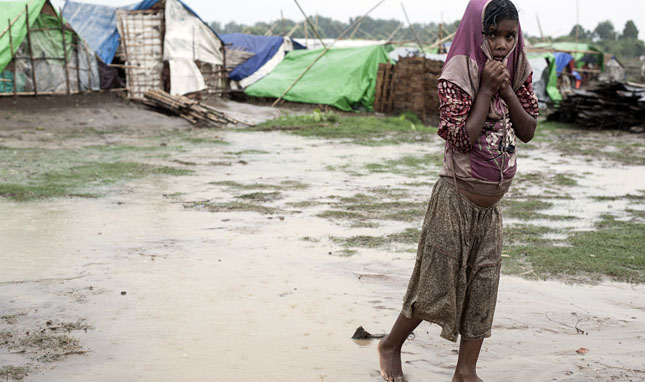
Top 5 Posts for September 2017
›Myanmar’s inter-ethnic disputes undermine an otherwise favorable backdrop for a peaceful democratic transition, write Rachel Blomquist and Richard Cincotta in New Security Beat’s most read story last month. Their analysis was published in April 2016, but it presciently foreshadows the current crisis. Through their multi-dimensional assessment of the demographic tension in Myanmar, the authors show that “[t]he path to democracy seems to cut directly through the Rohingya issue.”
-
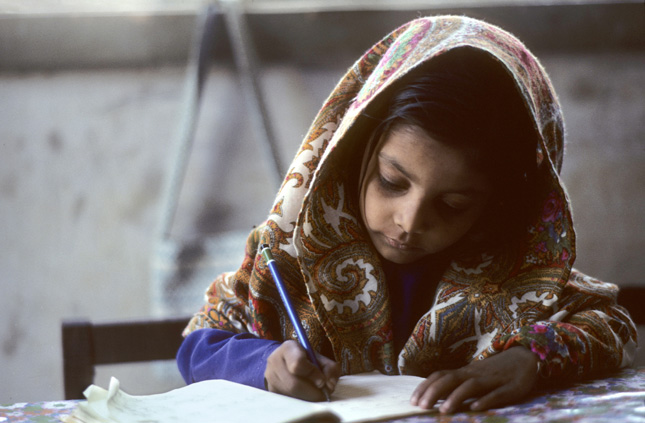
The Economic Costs of Child Marriage
›“It’s essentially an issue of a lack of viable alternatives,” said Quentin Wodon, lead economist for the World Bank’s Education Global Practice at a recent event on child marriage at the World Bank. “We have to create those alternatives.” Wodon co-presented the results of a new research study, “At What Cost? The Economic Impacts of Child Marriage,” by the World Bank Group and the International Center for Research on Women (ICRW).
Showing posts from category population.