-
U.S. Global AIDS Coordinator: DREAMS Program Reduced HIV/AIDS Among Adolescent Girls in Sub-Saharan Africa
›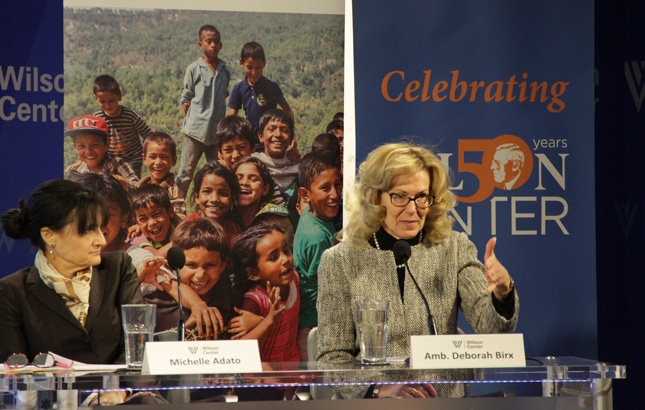
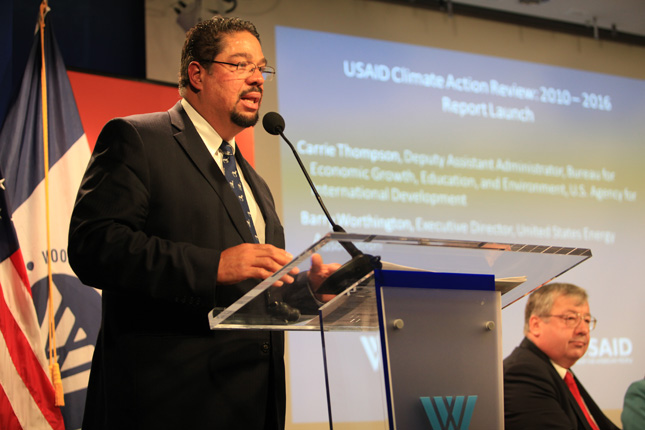
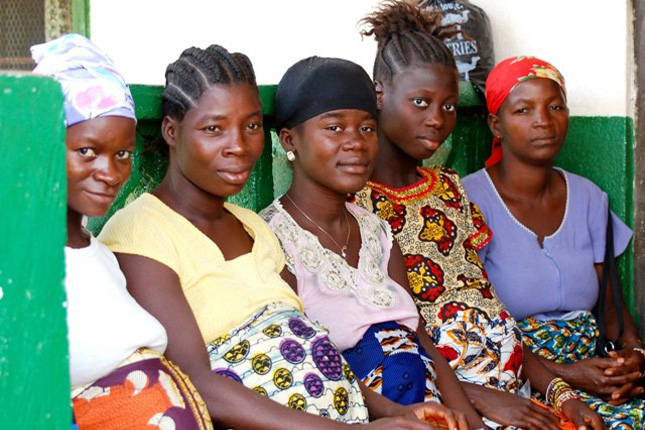
“There is no healthcare delivery system for non-pregnant 15- to 24-year olds,” said the U.S. Global AIDS Coordinator, Ambassador Deborah Birx, at a recent Wilson Center event on efforts to reduce the prevalence of HIV/AIDS among adolescent girls in sub-Saharan Africa. In 2014, the U.S. President’s Emergency Plan for AIDS Relief (PEPFAR) established the DREAMS program, which aims to create “a health care system where young people interact in a proactive and positive way,” said Birx.
-
Story of the Decade: Population Dynamics (and Women and Water) Top List of Our Most Popular Posts
›
This One Goes to 11.
Eleven years ago this week, the New Security Beat began covering population, environment, and conflict connections. Today, our goal remains the same as in 2007: to provide insight on today’s new security threats and to share overlooked opportunities for cooperation. As we wrote then, “countries in crises often share the problems of rapid population growth and deteriorating environmental resources”: and unfortunately, the same trends continue undermine peace and deepen poverty. But we’ve also analyzed notable global efforts, including the Sustainable Development Goals and the growing resilience agenda, that offer hope for progress.
-
2.6 Million Babies Are Stillborn Every Year
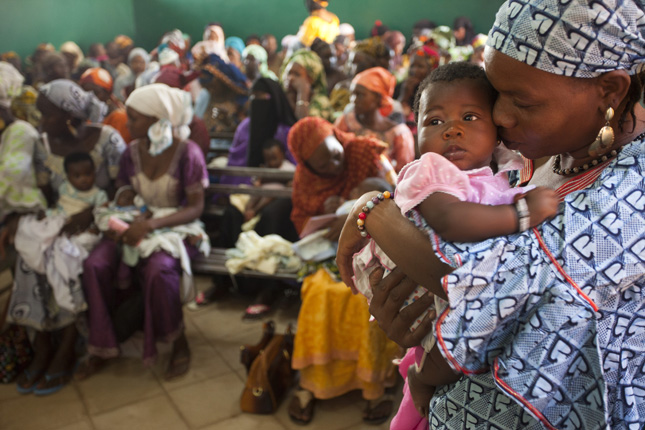
›Every day, 7,100 babies are stillborn. A tragic, complicated problem, stillbirth—which the WHO defines as a baby born with no signs of life at or after 28 weeks’ gestation—remains difficult to control and to assess. Some hospitals hide data on stillbirth, due to the shame and stigma associated with it. However, as White Ribbon Alliance CEO Betsy McCallon said at a recent Wilson Center event marking the 30th anniversary of the Safe Motherhood Initiative, stillbirth “had been hidden and neglected, but that is changing.” -
“It Can Be Done”: Address Malata’s Dream for Safe Motherhood in Malawi
›“Women still die…and they die preventable deaths,” said Address Malata, vice chancellor of the Malawi University of Science and Technology, at a recent Wilson Center event honoring the 30th anniversary of the Safe Motherhood Initiative. Malata—a midwife and the former vice president of the International Confederation of Midwives—told the heart-wrenching story of a pregnant woman who, like so many others, died waiting for transportation. -
The 30th Anniversary of the Safe Motherhood Initiative
›Since 1987, the number of women dying during pregnancy and delivery has dropped by 43 percent, saving hundreds of thousands of women’s lives—and changing the lives of their families—around the world. “Our achievement in making maternal mortality an injustice that needs to be recognized by health ministers, by heads of state, by heads of agencies, has been, I think, the single greatest achievement of the Safe Motherhood Initiative” since it began 30 years ago, said Ann Starrs, President and CEO of Guttmacher Institute, at a Wilson Center event marking the anniversary of this important effort.
-
The More Things Change: Resilience, Complexity, and Diplomacy Are Still Top Priorities in 2018
›This new year brings new projects—and some sad goodbyes. Today, I’m excited to begin my leadership of Sister Cities International, the world’s largest and oldest network of citizen diplomats. And I’m sorry to leave the Wilson Center, which has been my home for the last five years. But it’s not a long goodbye: I will continue to work with the Global Sustainability and Resilience team as a Global Fellow and as an advisor to the New Security Beat. In all of these roles, my New Year’s resolution is to renew our commitment to making a real difference in global well-being and sustainability. And while this year promises great changes, three key priorities will continue to inspire me and guide our collective efforts: resilience, complexity, and diplomacy.
-
The Burden of Care: The Impact of Progressive Policies
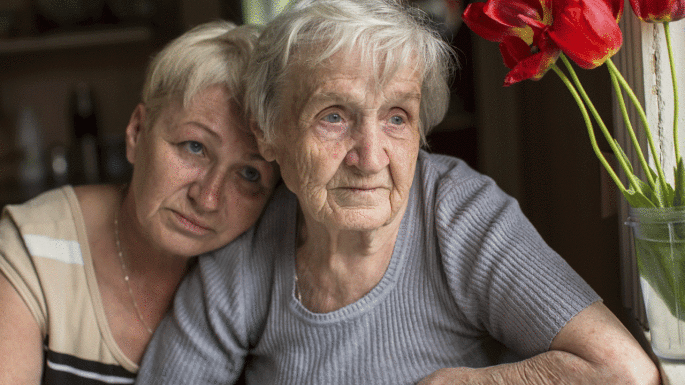
›The burden of care—the time, energy, and costs of caring for other people—is growing, and women shoulder the heaviest load. This burden can have negative consequences for businesses, too, as it affects the health and productivity of workers, as well as economic growth. At a recent Wilson Center Ground Truth Briefing, four leading experts discussed the ways in which progressive policies could help balance the burden of care to increase economic productivity and benefit both employers and employees.
-
On the Beat: Non-Communicable Diseases and Maternal Health
›If women have non-communicable diseases (NCDs)—like cancer and diabetes—“at the time of pregnancy, [it] can hugely impact future generations,” said Adya Misra the associate editor of PLOS One at a recent event hosted by the Maternal Health Task Force (MHTF) to mark the launch of the fifth MHTF-PLOS collection, Non-Communicable Diseases and Maternal Health Around the Globe. “If we do not address NCDs in a maternal health continuum of care, we will, for so many issues, be short changing the progress we have seen [in maternal health] because NCDs are on the rise,” said Katja Iversen, president and CEO of Women Deliver.
Showing posts from category global health.

 Every day, 7,100 babies are stillborn. A tragic, complicated problem,
  “Women still die…and they die preventable deaths,” said Address Malata,