-
City Kids: The Sexual, Reproductive, and Maternal Health of Urban Adolescents
›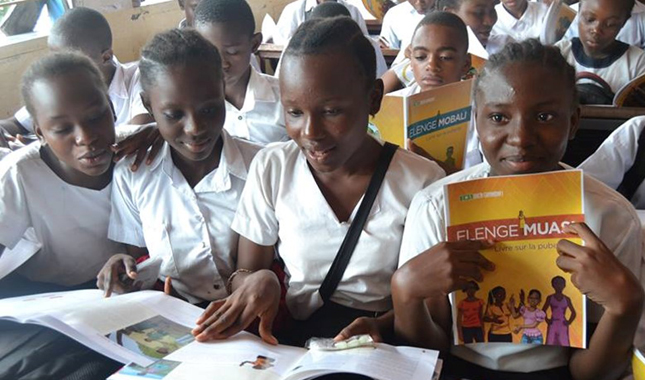
“All or most of the children living in these communities are by nature vulnerable,” said Melanie Yahner of Save the Children at a recent Wilson Center event on the sexual, reproductive, and maternal health of urban adolescents. Given that half of the global population living in urban areas today is under the age of 25, addressing the health needs of adolescents living in cities has become critical. “Who is shaping their norms and practices?” said Yahner. “How do we develop and adapt interventions that are meaningful for their needs?”
-
Healthy Women, Healthy Families: Saving Money and Lives With Faith-Based Family Planning
›
“All of the major religions of the world are really quite concerned with addressing the needs of the poor and also the disadvantaged,” said Victoria Graham, senior NGO technical advisor at the U.S. Agency for International Development, at the Wilson Center on July 18. “They’re always looking for interventions that address their needs, including health needs. And family planning is probably the most cost-effective way of doing this. Across the continuum – from looking at the economy to the family to saving lives – family planning is an excellent intervention.”
-
The Single Best Intervention: Thirty Years of Safe Motherhood
›Over the last 30 years, the world has seen a 44 percent decrease in maternal mortality. At the same time, safe motherhood has evolved from an often neglected component of maternal and child health programs to a fundamental element of the global health agenda, leading to improved women’s health and rights. These advancements are, in large part, due to the 1987 establishment of the Safe Motherhood Initiative. To help celebrate the 30th anniversary of the Safe Motherhood Initiative, Dot Mom asked leaders in the field to reflect on the most impactful intervention of last 30 years. Join us at the Wilson Center on Friday, December 8, 1-5 p.m., to discuss these interventions—and those to come in the next 30 years.
-
Innovations in Midwifery Save Mothers’ Lives: Q&A With Geeta Lal
›To prevent maternal mortality, we need new approaches to this very old problem. The United Nations Population Fund (UNFPA)’s Midwifery Programme, which operates in 120 countries, recently launched an innovative tool to improve training for maternal health workers. Dot-Mom, the column of the Maternal Health Initiative on New Security Beat, recently spoke with Geeta Lal, global coordinator for the Midwifery Programme, about the challenges of developing innovations in maternal health and new projects on the horizon for UNFPA.
-
Top 5 Posts for October 2017
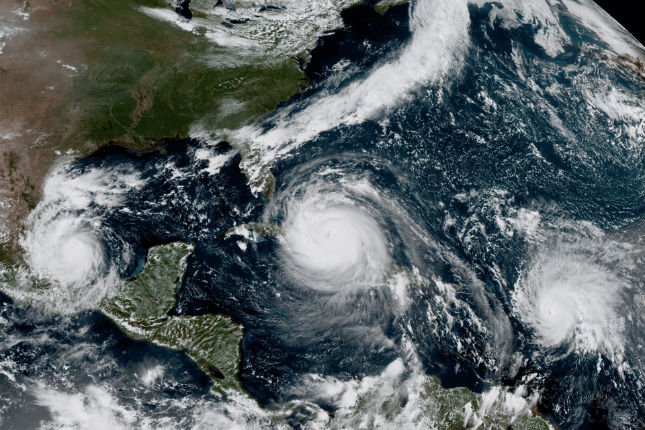
›Hurricanes Irma and Maria devastated Puerto Rico, leaving many on the island without power, drinking water, or cellular service. Such disasters are not just an issue for the Caribbean, said the Wilson Center’s Roger-Mark De Souza in an interview with WOUB that was last month’s most read story on New Security Beat. All coastal areas of the United States, with their growing populations and vulnerable but valuable infrastructure, should be prepared to face more severe climate-related natural disasters.
-
It Takes a Village: Communities Are Key to a Resilient Health System
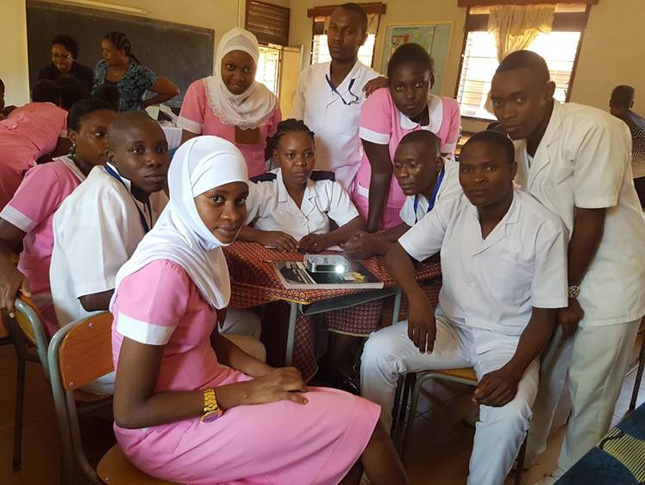
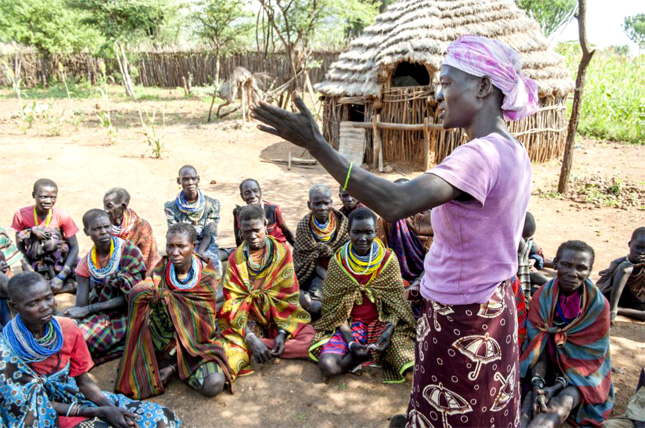
›“Resilience means the ability to cope and move ahead,” said Joan Dalton, the gender lead at THINK Liberia during the second session in a series of conversations on resilience and health at the Wilson Center. As conflicts, epidemics, and natural disasters increasingly leave global health systems vulnerable to devastation, it is important to build resilient health systems through interventions that support community resilience, agreed global health experts at the panel event co-hosted by CARE and the Maternal Health Initiative.
-
Can We Fall in Love With the Problem? Monica Kerrigan on Innovations in Maternal Health
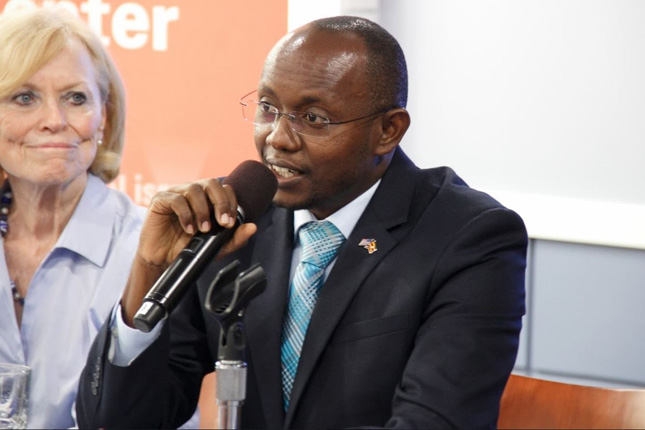
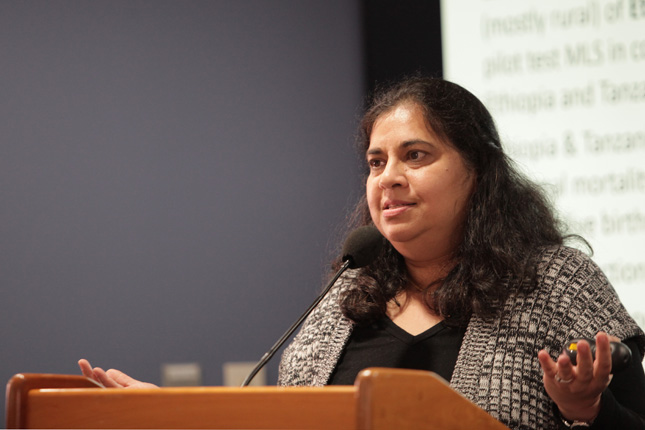
›“Innovation happens when there are pioneers that stick with it,” says Monica Kerrigan, vice president of innovations at Jhpiego in a podcast from the Wilson Center’s Maternal Health Initiative. At a recent panel discussion on “Reaching the Farthest Behind: Facility-Level Innovations in Maternal Health,” Kerrigan shone a light on some of the challenges facing innovators trying to change the way we care for mothers and their children. -
Reaching the Farthest Behind: Maternal Health Innovations at the Facility Level
›“Innovation happens when there are pioneers that stick with it,” said Monica Kerrigan, vice president of innovations at Jhpiego. “How can we—each one of us—be part of the change process?” Innovations will be essential to meeting Sustainable Development Goal #3, which is to reduce the global maternal mortality ratio to below 70 deaths per 100,000 live births. Experts from the United Nations Population Fund (UNFPA), Jhpiego, Jacaranda Health, and Total Impact Capital came together at the Wilson Center on September 14th to discuss how maternal health clinics and other facilities can be drivers of innovation.
Showing posts from category global health.
 “Innovation happens when there are pioneers that stick with it,” says