-
Creating a Water Ready World
›March 22, 2016 // By Sherri Goodman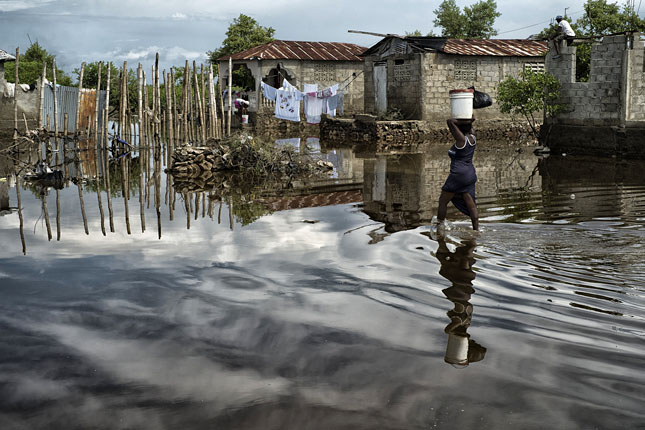
Sitting at my desk looking at bills to be paid, the first one on the stack is for the water company, emblazoned with the phrase, “Water is Life.” Yes, we all know that. But really, as my teenagers would say, “Duh, Mom. So what?”
Well, here’s the “so what” on this World Water Day 2016.
-
Kabul Greenbelt Project Aims to Restore Some Luster to War-Ravaged Capital – and Resilience Too
›
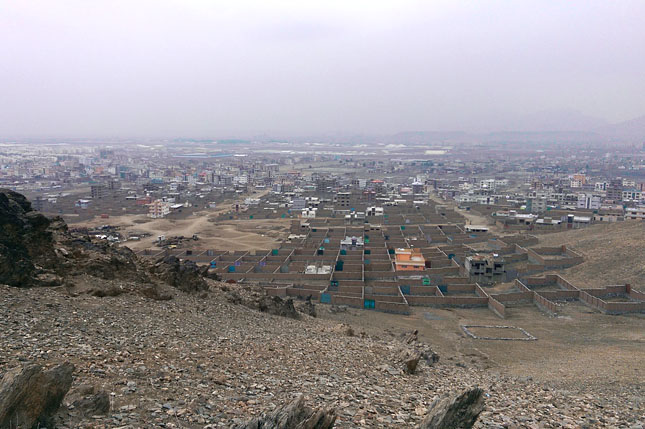
It’s hard to imagine today, but Kabul was once ringed with grassy areas and shrubs, a few trees in areas too. Some of my husband’s favorite recollections of early 1970s Afghanistan are of simple family picnics in picturesque parks. Hours of lounging, grilling kebab, preparing rice, and conversing were a respite from the oppressive heat of the capital. Sometimes a picnic would become an all-night, extended family gathering. The Gardens of Paghman were a favorite destination with rows of pine trees, roses, and cool fountains. Pre-war family photos reveal neatly trimmed trees, bushes, and ample grassy areas for impromptu games. The family picnic is still popular among the Afghan diaspora. In the United States, Afghan community events are often held in parks, and involve large, multi-family picnics.
-
India’s Young and Restless
›March 14, 2016 // By Michael KugelmanWhen we think about countries on the Indian subcontinent with destabilizing demographics, Pakistan comes to mind immediately. First, it’s a country with a very young population. Almost two thirds of its nearly 200 million people are under 25, and the median age is about 22. Second, this youth cohort is highly susceptible to radicalization. Nearly every terrorist attack in Pakistan since 9/11 has been perpetrated by someone under 30. In recent years, the Wilson Center has focused on Pakistan’s youth demographic challenges in detail. India, however, needs to be included in this conversation as well.
-
Trudeau’s White House Visit Sets Stage for U.S.-Canada Climate Cooperation
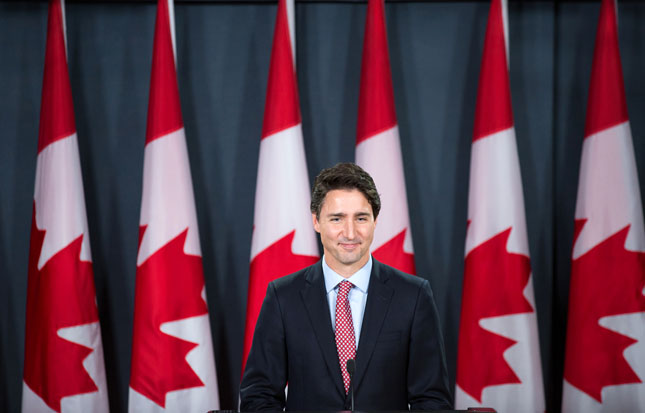
›March 10, 2016 // By Schuyler NullCanadian Prime Minister Justin Trudeau visits the White House this week and climate change is expected to be one of the highest profile topics of conversation.
-
Peace in Colombia Doesn’t Necessarily Mean the Revival of Oil
›It appears increasingly certain that the Colombian government will sign a peace agreement with the guerrillas of the Revolutionary Armed Forces of Colombia (FARC) in 2016. The oil and gas industry is widely expected to be among the sectors to most benefit from the end of 50 years of armed conflict. But a new report commissioned by the Latin American Program has identified several challenges to that optimistic view.
-
The Environment and Energy Stories to Watch in 2016
›The climate agreement reached in Paris last December, seen by many as a critical step toward lowering greenhouse gas emissions, was big news – perhaps too big. Pointing to the thousands of articles about COP-21, National Geographic Senior Editor Marla Cone asked at a recent Wilson Center panel, “Is this a wise use of resources, when newsrooms are so stretched thin, to have everybody pretty much chasing the same stories?”
-
An Update on Kenya’s Dwindling Lake Turkana as Ethiopian Dam Begins Operation
›A four-part video series produced by the Kenya Broadcasting Corporation (KBC) and supported by the Fund for Investigative Journalism gives an update on the beleaguered communities of Lake Turkana, the world’s largest desert lake that supplies vital ecosystem services and livelihoods to 300,000 people in northwestern Kenya. The lake is fed entirely by the Omo River, flowing south from Ethiopia, but a newly completed upstream dam has raised questions about the future.
-
Lessons From Africa’s Great Lakes on How Conservation Orgs Can Address Migration
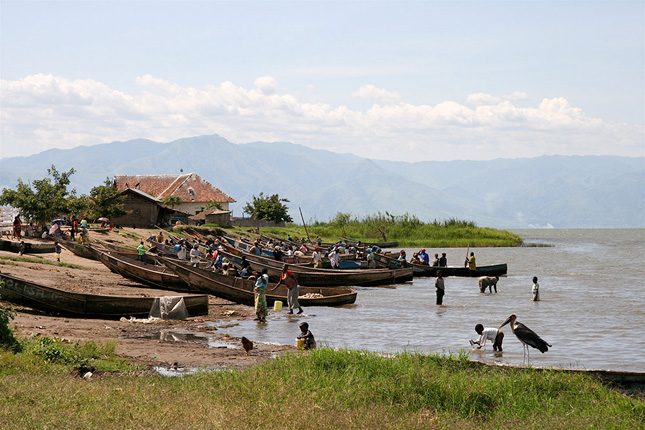
›Migration is an important strategy for coping with environmental variability and change, but it can also place additional stress on ecosystems. Policymakers and practitioners are not always fully aware of these threats, nor fully prepared to manage them through appropriate interventions. Conservation professionals in the field therefore have a key role to play in reducing the harmful impacts that migration can have on the environment, and in mitigating any tensions that may emerge between migrant and host communities.
Showing posts from category featured.