• woodrow wilson center
  • ecsp

New Security Beat

Subscribe:
  • rss
  • mail-to
  • Who We Are
  • Topics
    • Population
    • Environment
    • Security
    • Health
    • Development
  • Columns
    • China Environment Forum
    • Choke Point
    • Dot-Mom
    • Friday Podcasts
    • Navigating the Poles
    • Reading Radar
  • Multimedia
    • Water Stories (Podcast Series)
    • Backdraft (Podcast Series)
    • Tracking the Energy Titans (Interactive)
  • Films
    • Water, Conflict, and Peacebuilding (Animated Short)
    • Paving the Way (Ethiopia)
    • Broken Landscape (India)
    • Scaling the Mountain (Nepal)
    • Healthy People, Healthy Environment (Tanzania)
  • Publications
  • Events
  • Contact Us

NewSecurityBeat

The blog of the Wilson Center's Environmental Change and Security Program
Showing posts from category featured.
  • The Future of the Sustainable Development Goals

    ›
    From the Wilson Center  //  May 18, 2016  //  By Gracie Cook

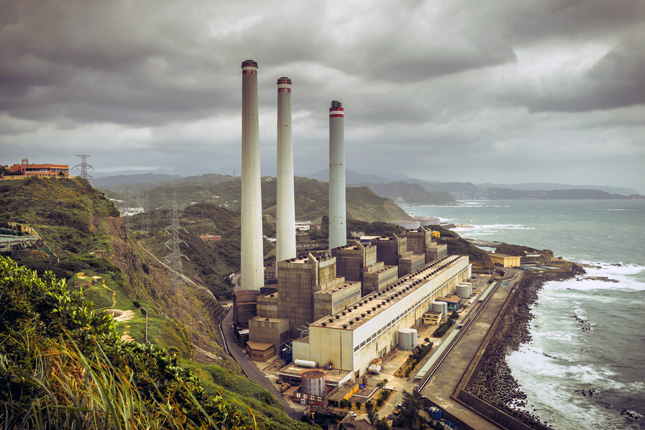
    Iron and Steel giant ISKOR's Vanderbijl Park refinery. Farm land bordering the industrial area.

    “As we go forward, we will discover that 2015 was when we really started getting serious about transdisciplinary challenges inherent in sustainable development,” said Melinda Kimble, senior vice president for programs at the UN Foundation, at the Wilson Center on April 13. [Video Below]

    MORE
  • Ethiopian Drought Response a Sign of How Far We’ve Come and Where We Need to Go

    ›
    Guest Contributor  //  May 17, 2016  //  By Greg Collins
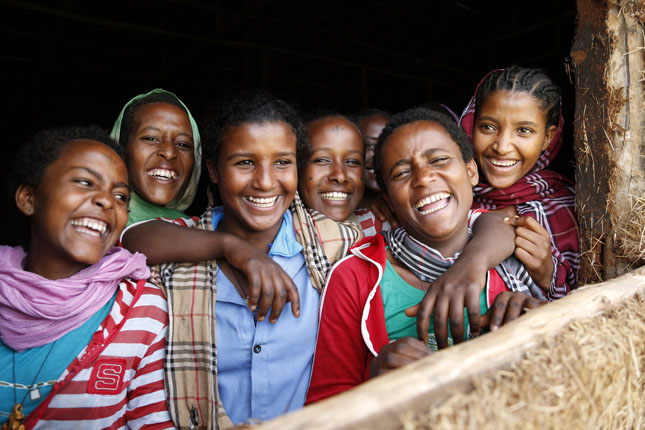
    Ethiopia-food-assistance3

    Drought in Ethiopia, exacerbated by El Niño, has put more than 10 million people in a position of being unsure how long they will have food and where it will come from next. Inevitably, the drought has been compared to the infamous drought of 1983-1984 that led to the worst famine in the country’s history, making millions destitute, and contributing to the deaths of 400,000. But Ethiopia is in a very different place today than it was in 1983.

    MORE
  • Free Lunch: The Development Argument for Taking Zika More Seriously

    ›
    Dot-Mom  //  Guest Contributor  //  May 16, 2016  //  By Alaka M. Basu
    zika-prevention

    I recently returned to Washington, DC, after 10 days in India. New Delhi was warm, moist, crowded – and buzzing with mosquitoes. Fortunately, at least for now, their bites are little more than an itchy nuisance, which is just as well.

    MORE
  • Why Do Land Grabs Happen? Because They Can

    ›
    May 9, 2016  //  By Michael Kugelman
    Brazil forest

    In January, over the objections of indigenous groups that live there, the government of Ecuador sold oil exploration rights to 500,000 acres of the Amazon to a consortium of Chinese companies. Whenever we hear about stories like this, there is a tendency to think: How can this happen? How can obscenely rich investors run roughshod over the land, livelihoods, and rights of impoverished local communities, and with utterly no consequences?

    MORE
  • Water Is the Climate Challenge, Says World Bank

    ›
    May 6, 2016  //  By Schuyler Null

    How will climate change affect you? Probably through water.

    That’s the major message of a new World Bank report that finds the ways governments treat water can have a profound effect on the economy.

    MORE
  • Behind the Headlines, Emerging Security Threats in the Middle East

    ›
    Guest Contributor  //  May 4, 2016  //  By Anders Jägerskog & Ashok Swain
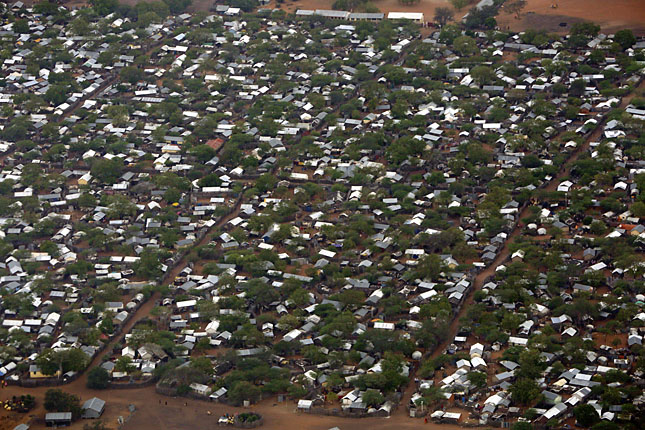
    Lebanon-camp

    The Middle East, as much as ever, is the focus of international attention, but the obvious crises may be a distraction from deeper underlying issues.

    MORE
  • After Mexico City and Before Copenhagen: Keeping Our Promise to Mothers and Newborns

    ›
    Dot-Mom  //  From the Wilson Center  //  May 3, 2016  //  By Haodan "Heather" Chen
    mother and child

    Last October, on the heels of the UN General Assembly agreeing to the Sustainable Development Goals, the global health community met in Mexico City to discuss strategy for achieving the “grand convergence”: finally bridging the gap between maternal and newborn health in rich and poor countries. [Video Below]

    MORE
  • South Sudan’s Broken Oil Industry Increasingly Becoming a Hazard

    ›
    Guest Contributor  //  May 2, 2016  //  By Wim Zwijnenburg
    Rabak oil spill

    The environment has long been a factor in violent conflict in South Sudan, especially with respect to control over oil. The first oil was discovered in 1999, and by 2007, hydrocarbons accounted for over 95 percent of Sudan’s income. South Sudan became independent in 2011 after years of war with the Sudanese government in Khartoum, intensified by local conflicts over access to oil-rich border areas. But beyond conflict, South Sudanese communities have also been ringing the alarm bell about pollution and health hazards caused by the oil industry.

    MORE
Newer Posts   Older Posts
View full site

Join the Conversation

  • RSS
  • subscribe
  • facebook
  • G+
  • twitter
  • iTunes
  • podomatic
  • youtube
Tweets by NewSecurityBeat

Trending Stories

  • unfccclogo1
  • Pop at COP: Population and Family Planning at the UN Climate Negotiations

Featured Media

Backdraft Podcast

play Backdraft
Podcasts

More »

What You're Saying

  • Volunteers,At,The,Lagos,Food,Bank,Initiative,Outreach,To,Ikotun, Pan-African Response to COVID-19: New Forms of Environmental Peacebuilding Emerge
    Rashida Salifu: Great piece 👍🏾 Africa as a continent has suffered this unfortunate pandemic.But it has also...
  • A desert road near Kuqa An Unholy Trinity: Xinjiang’s Unhealthy Relationship With Coal, Water, and the Quest for Development
    Ismail: It is more historically accurate to refer to Xinjiang as East Turkistan.
  • shutterstock_1779654803 Leverage COVID-19 Data Collection Networks for Environmental Peacebuilding
    Carsten Pran: Thanks for reading! It will be interesting to see how society adapts to droves of new information in...

What We’re Reading

  • Rising rates of food instability in Latin America threaten women and Venezuelan migrants
  • Treetop sensors help Indonesia eavesdrop on forests to cut logging
  • 'Seat at the table': Women's land rights seen as key to climate fight
  • A Surprise in Africa: Air Pollution Falls as Economies Rise
  • Himalayan glacier disaster highlights climate change risks
More »
  • woodrow
  • ecsp
  • RSS Feed
  • YouTube
  • Twitter
  • Facebook
  • Home
  • Who We Are
  • Publications
  • Events
  • Wilson Center
  • Contact Us
  • Print Friendly Page

© Copyright 2007-2021. Environmental Change and Security Program.

Woodrow Wilson International Center for Scholars. All rights reserved.

Developed by Vico Rock Media

Environmental Change and Security Program

Woodrow Wilson International Center for Scholars

Ronald Reagan Building and International Trade Center

  • One Woodrow Wilson Plaza
  • 1300 Pennsylvania Ave., NW
  • Washington, DC 20004-3027

T 202-691-4000