-
From Brown to Green: Three Scenarios for a Southeast Asian Regional Energy Grid
›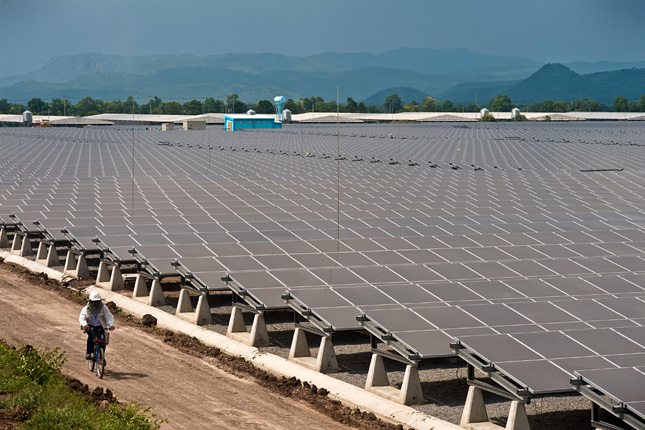
Southeast Asia is one of the fastest growing energy markets in the world. Regional demand for energy may grow by as much as 80 percent and electricity demand more than triple by 2040. To keep up, governments are working to expand coordination across borders and create a broader regional energy grid (indeed their efforts predate their northern neighbors’ recent announcement of a “supergrid” by several decades).
-
Putting a Price on Reproduction: The Global Surrogacy Market
›
The first baby conceived through in vitro fertilization (IVF) was born in 1978 and revolutionized alternative family building strategies. As IVF has become more widely available in the years since, the focus of many families who cannot conceive or carry a baby to term – the Centers for Disease Control and Prevention estimates there are 6.7 million such women in the United States alone – has shifted from adoption to surrogacy. However, this endeavor remains very expensive; prohibitively so for many. Commercial surrogacy can cost up to $70,000 in the United States, except in the seven states where it is illegal. Yet if couples are willing to outsource to another country, surrogacy can cost much less.
-
“Loss and Damage” and “Liability and Compensation” – What’s the Difference and Why Does It Matter?
›September 2, 2016 // By Cara ThuringerWhen wildfires become unstoppable, consuming forests, farmlands, communities, and anything else in their path, how will those affected cope? When typhoons slam coastal populations, dumping over a foot of rain in a single event, who will be there to help mop up? When seas rise up, drowning centuries-old communities, where will the displaced go?
-
In Kosovo, Post-War Water Faults Show Challenge of Balancing Political With Technical
›Rivers have shaped the Western Balkan Peninsula’s characteristic landscape and played an important role in its history. Following the violence of the Yugoslav secession wars in the 1990s and the creation of six new nations, the number of transboundary river basins doubled from 6 to 13. In Kosovo, where independence remains a question, the water sector is a microcosm of tensions between ethnic Serbs and Albanians. The challenge of water resource management exists not only over the province’s contested national boundaries with Serbia, but between divided ethnic groups within the territory.
-
“Time for Action”: A 2016 IUCN World Conservation Congress Preview With Inger Andersen
›“The time for talk is done; it is now the time for action,” says Inger Andersen, director general of the International Union for Conservation of Nature (IUCN), in an interview before the 2016 World Conservation Congress.
-
After Conflict, Peacebuilding and Recovery Efforts Too Often Miss the Environment
›In June 2010, The New York Times published a front page story trumpeting a Pentagon announcement of roughly $1 trillion worth of mineral resources in Afghanistan. Officials said the discovery was “far beyond any previously known reserves and enough to fundamentally alter the Afghan economy and perhaps the Afghan war itself.” Then-President Hamid Karzai soon inflated the figure to $3 trillion and then again to $30 trillion, enough to transform the country into the “Saudi Arabia of lithium.”
-
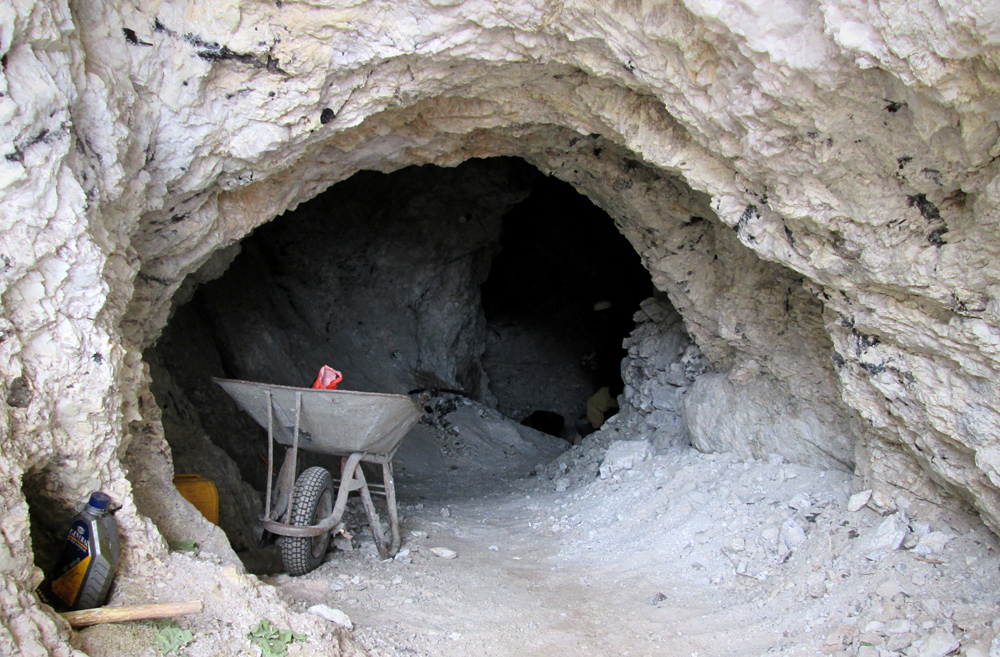
How Lapis Lazuli Turned One Afghan Mining District to the Taliban
›August 25, 2016 // By Adrienne BoberIn the mountains of northern Afghanistan, between Pakistan and China, a region that has historically rejected the Taliban has become the group’s second-largest source of revenue. The twisting tale of Kuran wa Munjan reveals the challenges of extracting precious minerals in unstable and fragile states.
-
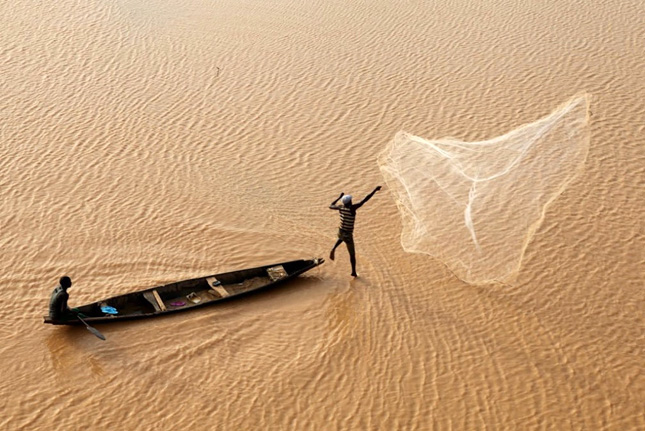
Calming the Waters: Why We Need to Better Integrate Climate and Water Policy
›The Nile River is shared by 11 countries, for which it is vital for food and energy production, freshwater, and as a means of transportation. Sharing the resources of the Nile has, however, been politically difficult. Recently, the construction of the Grand Ethiopian Renaissance Dam has caused a major dispute with downstream Egypt which fears the dam will affect water flow in its own territory.
Showing posts from category featured.