-
Linking the Environment and Women’s Health at the World Conservation Congress
›November 30, 2012 // By Payal Chandiramani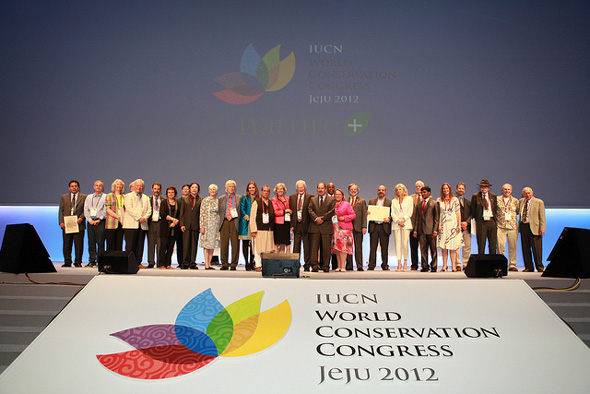
People don’t often think of gender issues when they think of the environment, but in fact sustainable development in many of the world’s most bio-diverse regions has a lot to do with women’s health and well-being.
At this year’s World Conservation Congress, where the theme was improving the inherent resilience of nature, ECSP’s Sandeep Bathala presented alongside Blue Ventures’ Gildas Andriamalala about the connections between women’s health and the environment – specifically on the potential of population, health, and environment (PHE) approaches as an effective sustainable development strategy.
-
‘The Global Farms Race’: Comprehensive Study of Large-Scale Land Acquisitions Launches at Wilson Center
›Last month, Oxfam made an extraordinary request. It asked the World Bank to freeze its investments in agricultural land.
At a time when urbanization and growing service industries are bringing great neglect to agricultural sectors across much of the developing world, why would Oxfam want the World Bank to suspend its generous levels of agricultural funding?
-
Does Climate Change Kill Five Million People A Year? DARA’s 2012 Climate Vulnerability Monitor
›
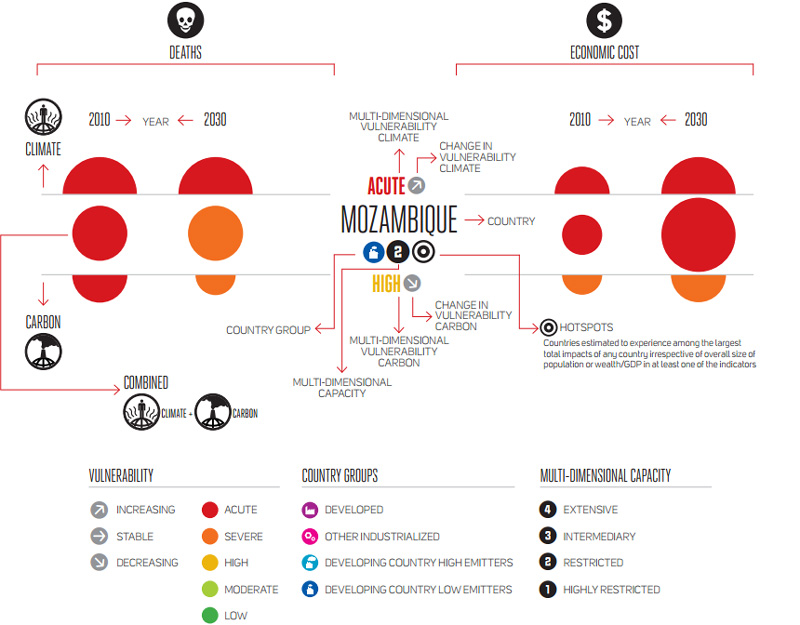
Five million people die each year due to climate- or carbon-related causes, and total mortality by 2030 could total 100 million people, according to new report from DARA, a nonprofit organization that works to improve aid to those affected by conflict and climate change and quantify the global cost of climate change and carbon use. But the report has drawn some fire for being too alarmist.
-
India’s Environmental Security Challenge: Water, Coal, Natural Gas, and Climate Change Fuel Friction
›November 23, 2012 // By Michael KugelmanThe original version of this article appeared in NATO Review.
Few regions are more environmentally insecure than South Asia.
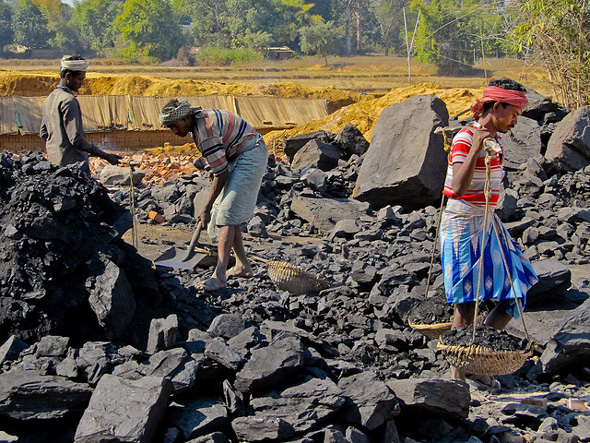
The region faces rising sea levels and regularly experiences coastal flooding – of particular concern in a region with heavily populated and arable-land-rich coastal areas. Additionally, it is highly vulnerable to glacial melt. The Western Himalayas, which provide water supplies to much of South Asia, have experienced some of the most rapid melt in the world.
-
Ravao’s Story: A Health and Environment Champion From Madagascar’s Mikea Forest
›The original version of this article, by Vik Mohan, appeared on Blue Ventures’ blog.
I recently spent a hectic and intense couple of weeks in the village of Andavadoaka, where Blue Ventures’ community health project is based, during my annual visit to Madagascar. Although I founded our Safidy (meaning “choice”) health program several years ago, each return visit brings new and inspiring stories and lessons from our team on the ground.
-
Edna Wangui on East Africa’s Changing Pastoralists
›November 20, 2012 // By Carolyn LamereThe fault line between nomadic pastoralists and sedentary agriculturalists in sub-Saharan Africa has emerged as one of the most dominant stories of climate-related conflict. But according to Edna Wangui, a professor at Ohio University who studies communities in Kenya and Tanzania, pastoralism is different from many people’s perceptions.
-
Can Family Planning Save Millions From Malnutrition in a Warming World?
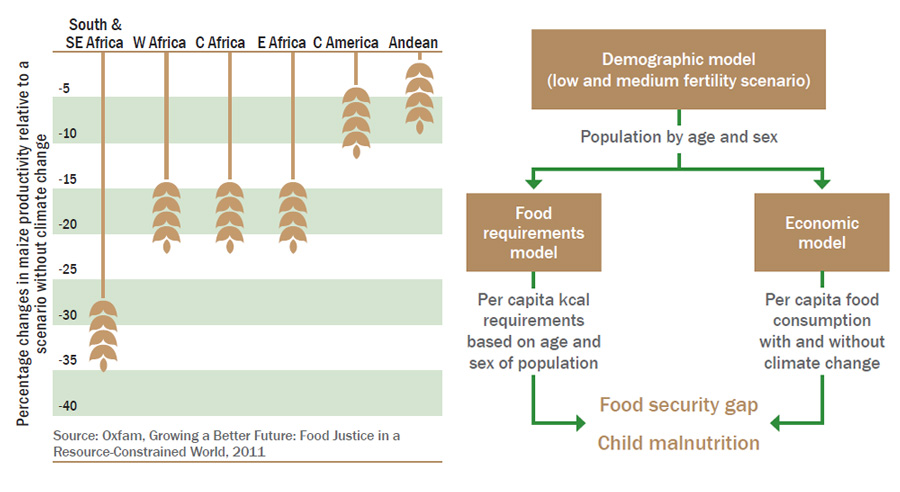
›As the effects of climate change become increasingly apparent, existing poverty and human security challenges are being compounded. Among them, food security is one of the most pressing, especially in the developing world.
Based on a model developed by researchers at Futures Group, a pilot project in Ethiopia reveals that a lower fertility track for some countries could help compensate for the negative effects of climate change on agricultural yields. The study, conducted by MEASURE Evaluation and funded by USAID and The David and Lucile Packard Foundation, suggests incorporating family planning into existing climate change adaptation strategies.
-
Three Critical Maternal Health Medicines That Could Save Women’s Lives
›“We know maternal health medicines are safe, we know they’re effective, we know they’re essential to keeping women healthy throughout pregnancy and childbirth,” said Kristy Kade at the Wilson Center on October 23. But lack of supply, poor quality, and misuse means they do not always help the women who need them. [Video Below]
Showing posts from category featured.