-
Better Mapping for Better Journalism: InfoAmazonia and the Growth of GeoJournalism
›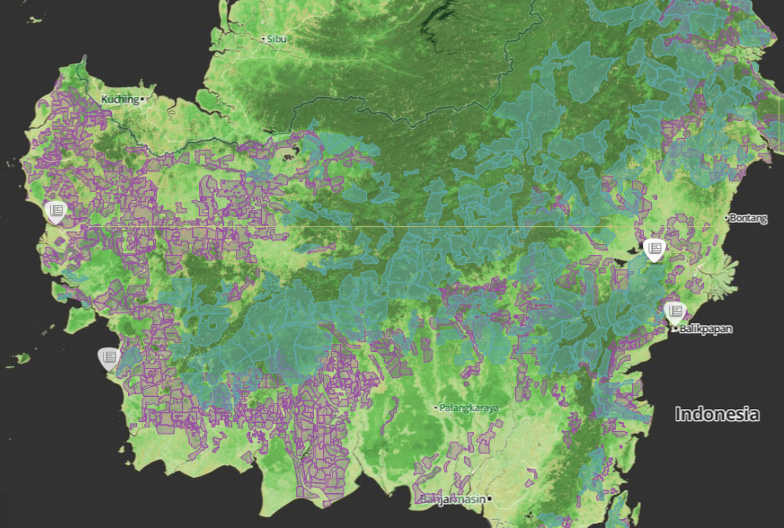
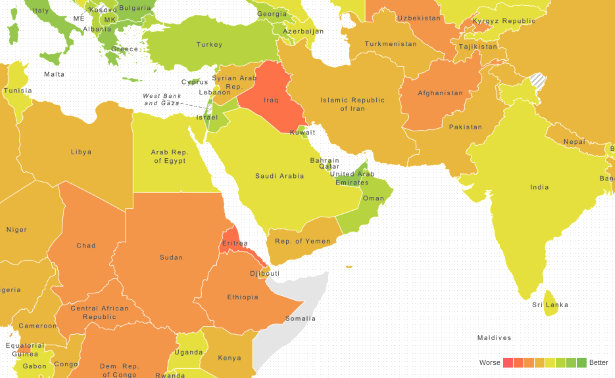
Nearly every local story has a global context. This is especially true when it comes to the environment, and there may be no better way to show that context than through visualization. But in developing countries, where so many important changes are happening, journalists often lack the resources or skills to make data visualization a part of their repertoire.
-
Andrew Revkin: Local Population Dynamics Crucial to Understanding Climate Vulnerability
›February 10, 2014 // By Schuyler Null“What’s become clear to me on population is that it’s really a local issue,” said Andrew Revkin in an interview at the Wilson Center. “You get the impression, ‘Oh didn’t we solve that problem?’” And to some extent, demographic shifts around the world are largely heading in the direction people anticipated, with a leveling off mid-century. But “no one really knows what happens then,” he said. “All it takes is a tiny diversion of fertility rates and things could really grow or shrink.”
-
Gates Letter: Laissez Faire Approach to Population and Development Unacceptable
›Family planning, which saw a relative decline in financial support from the international development community over the last two decades, is now back in vogue, thanks in large part to the Bill and Melinda Gates Foundation. After spearheading the London Summit on Family Planning in 2012 alongside many governments, the foundation’s recently released 2014 Annual Letter sets out to dispel three “myths” about development, one of which is “saving lives leads to overpopulation.”
-
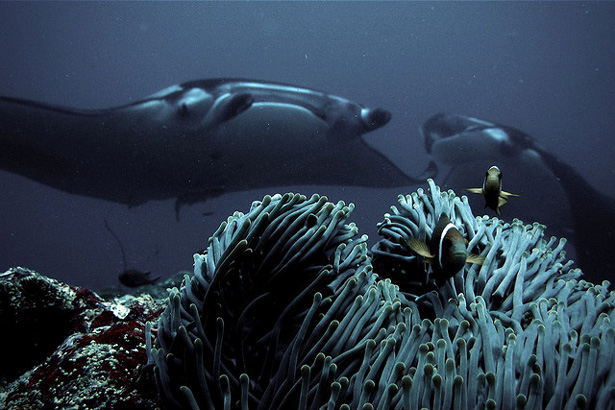
State of the Oceans 2013: Acidification, Overfishing Major Threats to Ecosystem Health
›
“The rate of speed of change in the global oceans are greater than [that] of any time in known history,” said Karen Sack of the Pew Charitable Trusts, speaking at the Wilson Center on November 13. She was joined by Paul Schopf, professor of oceanography and associate dean for research and computing at George Mason University, and Libby Jewett, director of the Ocean Acidification Programs at National Oceanic and Atmospheric Administration (NOAA), to discuss the latest State of the Ocean Report. [Video Below]
-
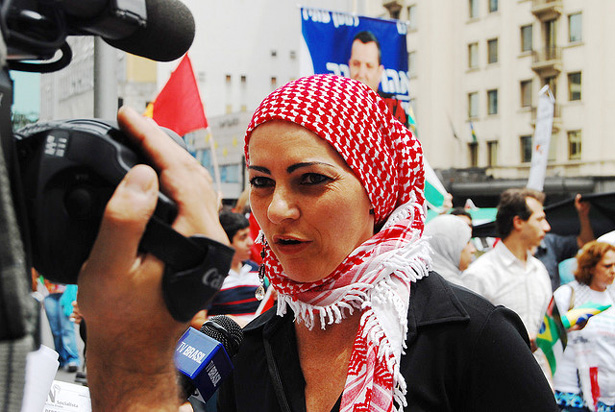
Does Women’s Empowerment Encourage Good Global Citizenship?
›These days, when the going gets tough, women “increase the peace.” From U.S. Secretary of State Hillary Clinton to Liberia’s President Ellen Johnson Sirleaf, the international community has learned that women’s leadership can contribute a different voice to fostering peace, alleviating poverty, and fighting for the rights of the oppressed.
-
New Architecture for a New World? Making the Millennium Development Goals Sustainable
›Next year, the Millennium Development Goals (MDGs), adopted by the United Nations after the Millennium Declaration, are set to expire. As they wind down, the global development community is taking stock. While there have been great strides toward accomplishing many of the goals set forth in 2000, there has been little headway in ensuring environmental sustainability, said Melinda Kimble, senior vice president of the United Nations Foundation. Which raises the question: What should change for the next set of global development goals, which are supposed to be even more environmentally focused – the “Sustainable Development Goals?”
-
Ready for Change: Notre Dame Launches the Global Adaptation Index
›In 2008 and 2010, the price of many basic food stuffs soared, sparking a series of riots and food crises around the world. People in the poorest countries – those living with the smallest margins – were most affected, while the economies of developed nations were able to absorb the price changes. According to Notre Dame’s Global Adaptation Index, how climate change will impact different countries depends not only on their vulnerability to physical changes, but also their ability to absorb these impacts. [Video Below]
-
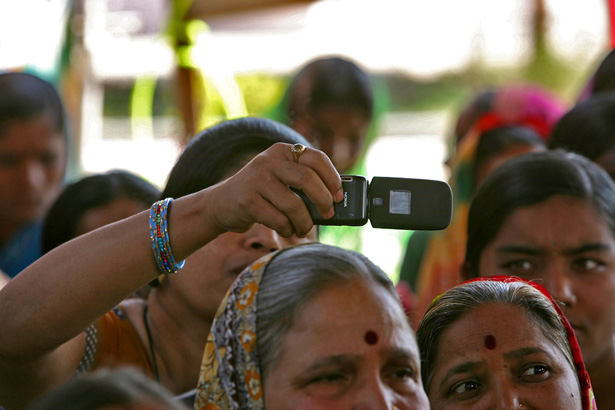
Turning the Tide? Technology Provides New Ways to Combat Gender-Based Violence
›Worldwide, one in three women suffer beatings, coercion into sex, or other abuse from an intimate partner during her lifetime, according to the UN, while one in five is a victim of rape or attempted rape.
“Gender-based violence is a pervasive global challenge. It serves as a barrier to national economic and social advancement across the world,” said Alex Dehgan, former chief scientist and director of the Office of Science and Technology at the U.S. Agency for International Development, on December 9 at the Wilson Center. [Video Below]
Showing posts from category featured.