-
Assessing Climate Vulnerability and Adaptation: IPCC Working Group II in Their Own Words
›The latest report by the United Nations Intergovernmental Panel on Climate Change (IPCC) brings new evidence to bear on the real and potential impacts of climate change, emphasizing the need to manage risks and build resilience. In a dramatic, slickly produced video accompanying the much-anticipated Working Group II contribution to the report, released on March 30, several of the working group’s dozens of authors discuss key issues addressed in their section, which covers “impacts, adaptation, and vulnerability.”
-
For Maternal Health, What Role Will Universal Health Coverage Play in a Post-MDG World?
›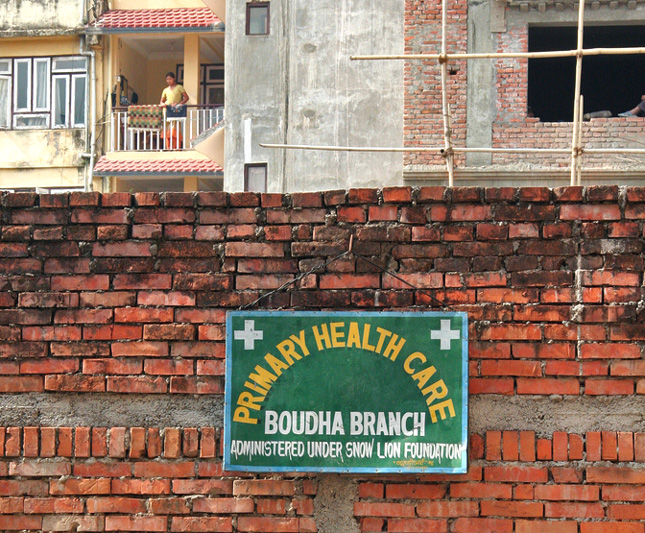
The global maternal health agenda has been largely defined by the Millennium Development Goals (MDGs) for the last decade and half, but what will happen after they expire in 2015? What kind of framework is needed to continue the momentum towards eliminating preventable maternal deaths and morbidities? [Video Below]
-
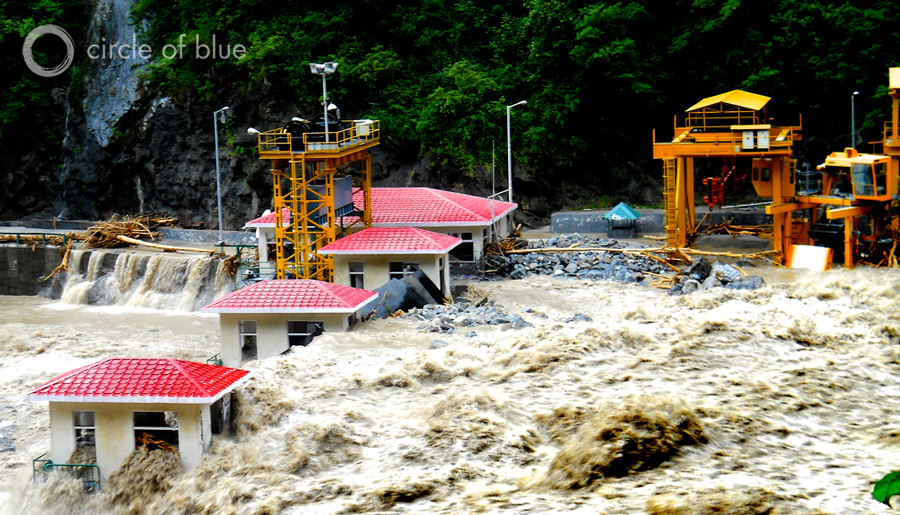
Uttarakhand’s Furious Himalayan Flood Could Bury India’s Hydropower Program
›
Despite the inherent risks, India is determined to join China, Bhutan, Nepal, and Pakistan in turning the Himalayas into the Saudi Arabia of hydroelectric energy. Almost 300 big hydropower projects are under construction or proposed for India’s five Himalayan states, according to the Central Electric Authority.
-
New Film Explains Blue Ventures’ Integrated Approach to Development and Conservation in Madagascar
›Blue Ventures has become a leader in the population, health, and environment (PHE) community through its work with the remote, semi-nomadic Vezo people living along Madagascar’s southwestern coast. In a new short documentary, The Freedom to Choose: Empowering Communities to Live With the Sea, Blue Ventures describes how their approach has helped the Vezo respond to the combined challenges of resource scarcity, poor reproductive health, and unsustainable livelihoods.
-
Mapping China’s Dam Rush – and the Environmental Consequences
›
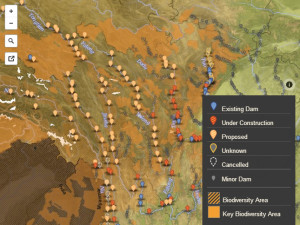
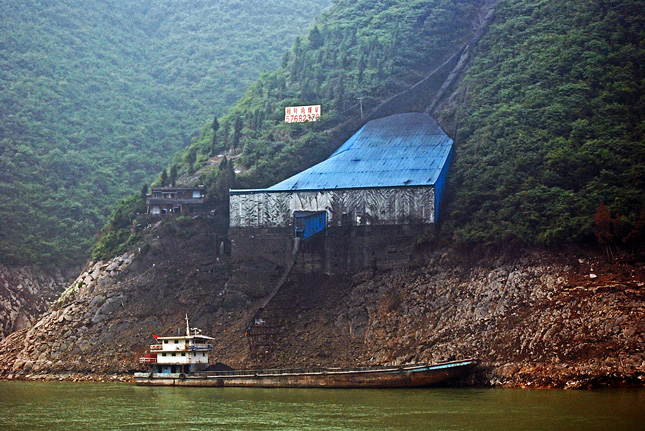
In southwestern China, three parallel rivers – the Nu, Lancang, and Jinsha (also known as the Upper Mekong, Salween, and Yangtze, respectively) – form a series of corridors that connect the tropical rainforests of Southeast Asia to the Tibetan Plateau. These areas are some of the most biodiverse in the world, and scientists argue they have value as “climate refugia” – places worth preserving in order to allow species to retreat to cooler, more suitable climates as temperatures rise. A cascade of dams, however, has been planned for the region, threatening to submerge habitats, reduce the flow of tributary rivers, and make the area less suitable for many plant and animal species.
-
A New Dimension to Geopolitics: Geoff Dabelko on the Latest IPCC Report
›“The Intergovernmental Panel on Climate Change is an attempt to get an international group of scientists together to assess what we know about climate change,” says Geoff Dabelko in an interview with the Wilson Center’s Context program. “That is not a quick process.”
-
Report: China Could Generate 80 Percent of Its Energy From Renewables By 2050 For Less Than Cost of Coal
›The idea that China, the world’s largest producer of greenhouse gas emissions, could generate a significant portion of its energy from renewable sources might seem like a distant dream, but according to a new report, it’s not so far off. [Video Below]
-
Climate Change Will Cause More Migration, But That Shouldn’t Scare Anyone
›Last year a Kiribati man, Ioane Teitiota, claimed asylum in New Zealand, stating that his home island, which is on average just two meters above sea level, was becoming uninhabitable thanks to rising seas. So-called “king tides” routinely wash over entire portions of the archipelago.
Showing posts from category featured.