-
Earth Day 2014: Women at the Center of Sustainable Cities
›April 22, 2014 // By Roger-Mark De Souza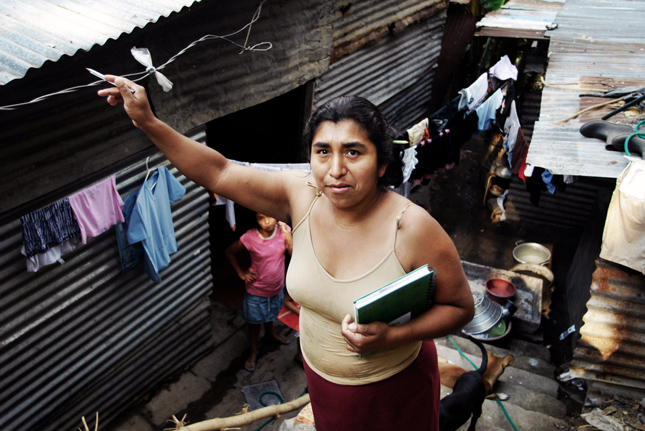
When I first came on board the Wilson Center last Earth Day, I wrote that I wanted to forge new paths and identify ways that reproductive health, environmental conservation, and women’s empowerment affect our lives today and in the future.
-
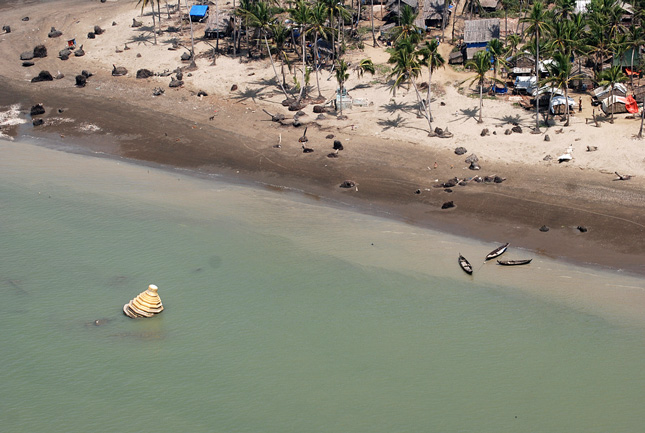
Not There Yet: Burma’s Fragile Ecosystems Show Challenges for Continued Progress
›
Political and economic changes in Burma have been as rapid as they are surprising. In just three years, the country has gone from an isolated military dictatorship to a largely open country that is at least semi-democratic and has formally adopted a market economy. Both the European Union and the United States have eased economic sanctions, and dozens of foreign firms have moved in. Foreign direct investment increased by 160 percent in 2013 alone.
-
How Does the Media – and Public – Learn Environmental Science? Help Us Find Out
›Years ago, when I was a diplomatic correspondent at a large national magazine, if I encountered what I thought of as “science stuff,” I sent it to the science desk. I was busy covering foreign policy, wars, and ethnic and religious conflicts – not science. It was only when I took a new job focused on educating the U.S. media on a wide range of international issues that I began to discover the rich world I had overlooked, and see new links and connections.
-
Water Wars? Think Again: Conflict Over Freshwater Structural Rather Than Strategic
›The global water wars are almost upon us!
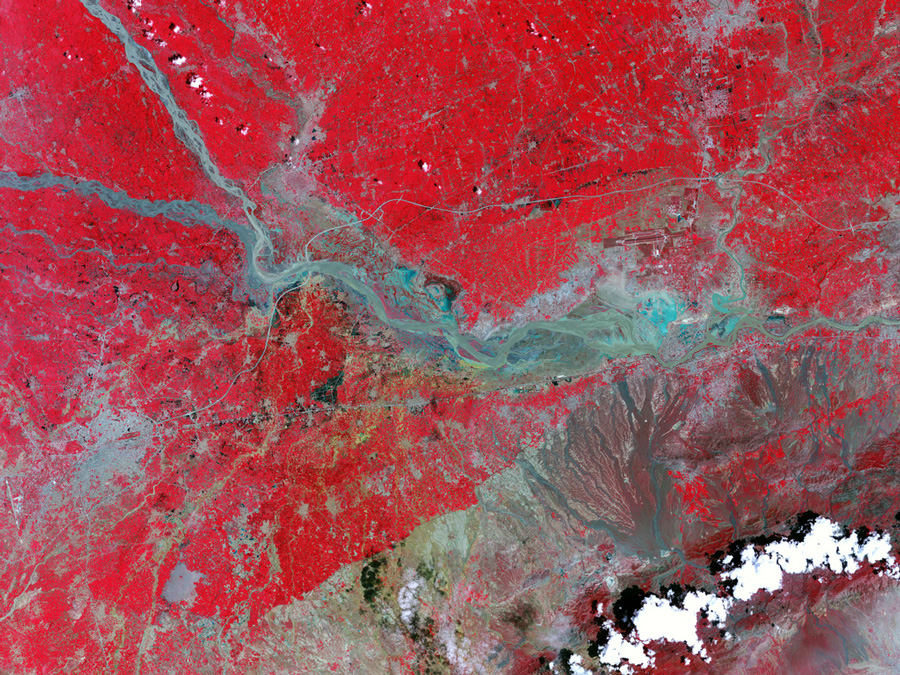
At least that’s how it seems to many. The signs are troubling: Egypt and Ethiopia have recently increased their aggressive posture and rhetoric over the construction of the Great Ethiopian Renaissance Dam in the headwaters of the Blue Nile, Egypt’s major artery since antiquity. India continues to build new dams that are seen by its rival Pakistan as a threat to its “water interests” and thus its national security. Turkey, from its dominant position upstream, has been diverting the Tigris and Euphrates rivers and increasing water stress in the already-volatile states of Iraq and Syria.
-
Forests on Film: New Stories From Nepal and the Congo Basin
›Given growing awareness about environmental change and how it affects human life, it is perhaps not surprising there is also a growing audience for environmental filmmaking. At the 2014 Environmental Film Festival in the Nation’s Capital on March 25, the Wilson Center premiered ECSP’s latest documentary, Scaling the Mountain: Protecting Forests for Families in Nepal. Together with Heart of Iron, a recent film on mining in the Congo Basin, the event took viewers into some of the world’s most remote forests to see how their inhabitants are adapting to rapid changes in the natural resources on which they depend.
-
Double Dividends: Population Dynamics and Climate Adaptation
›If current projections hold, Africa’s population will more than double in 40 years, putting more people at risk of food, water, health, and economic insecurity as the climate changes, as well as negating progress made in reducing carbon emissions per person. But what if it didn’t? [Video Below]
-
USAID Launches New Water, Conflict, and Peacebuilding Toolkit
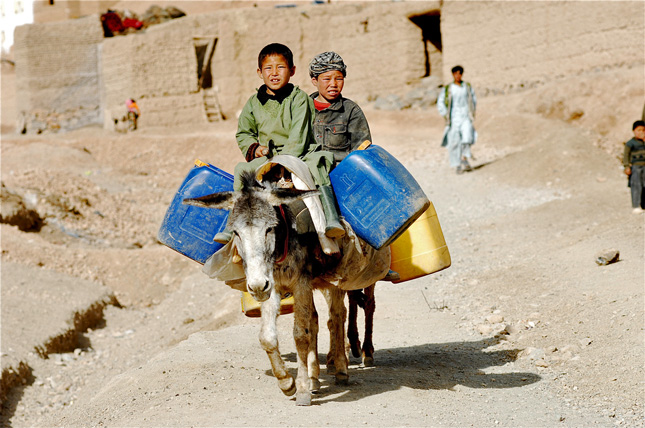
›With almost 800 million people currently lacking access to clean water and two-thirds of the world’s population projected to face conditions of severe water stress by 2025, disputes over water are a growing global concern. But while dwindling water supplies sharpen focus on conflict, long-term peacebuilding opportunities are often overlooked. [Video Below]
-
High Food Prices an Unlikely Cause for the Start of the Arab Spring
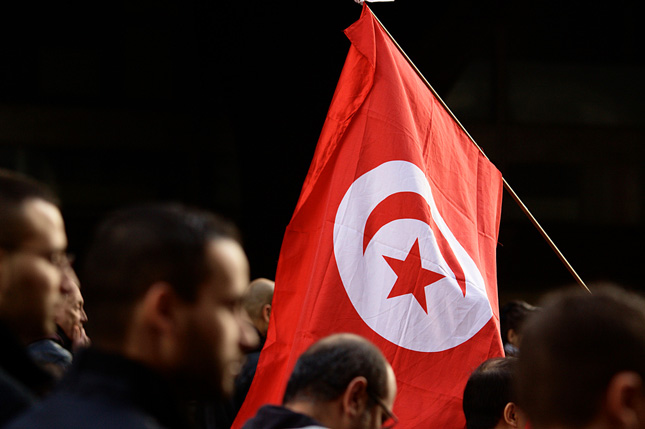
›April 7, 2014 // By Richard CincottaJust months after popular uprisings toppled Tunisia and Egypt’s authoritarian regimes, a trio of complex-system researchers published a brief article linking these demonstrations with high levels of the UN Food and Agriculture Organization’s international Food Price Index. Marco Lagi, Karla Bertrand, and Yaneer Bar-Yam’s model, which predicts outbreaks of deadly social conflict when the index tops 210, has since become a popular explanation wielded by many for bouts of popular unrest, including the Arab Spring and overthrow of Ukraine’s government. But were food prices really an underlying “hidden” cause for the start of a wave of instability that is still being felt today?
Showing posts from category featured.