-
Youth and Global Violence: Saving History’s Largest Generation of Young People
›July 9, 2014 // By Moses Jackson
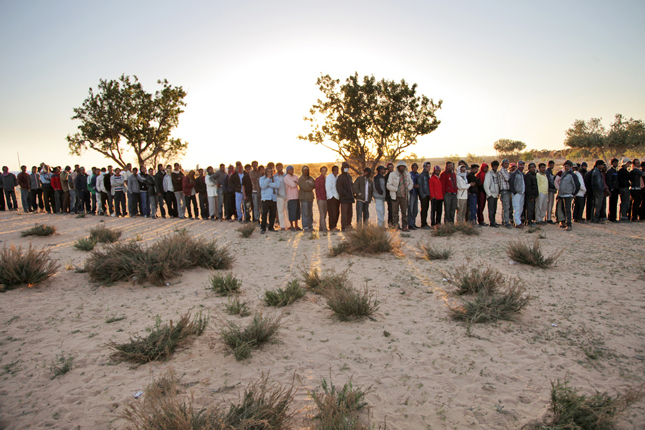
As the largest-ever generation of young people enters adulthood, armed conflict is having a profound effect on their future. People under the age of 24 comprise nearly half the world’s population but are the primary participants in conflict today. Conflict is more prevalent in younger societies, and half of all forcibly displaced people are children.
-
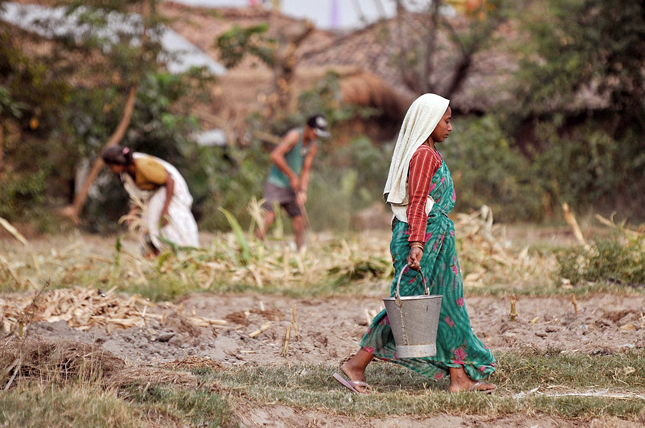
From the PHE Conference in Addis Ababa, a Progress Report on Integrated Development
›
My grandmother was pleased when I told her I was heading to Ethiopia last November for an international conference focused on population, health, and the environment.
-
Climate Change and Conflict in West African Cities: Early Warning Signs in Lagos and Accra
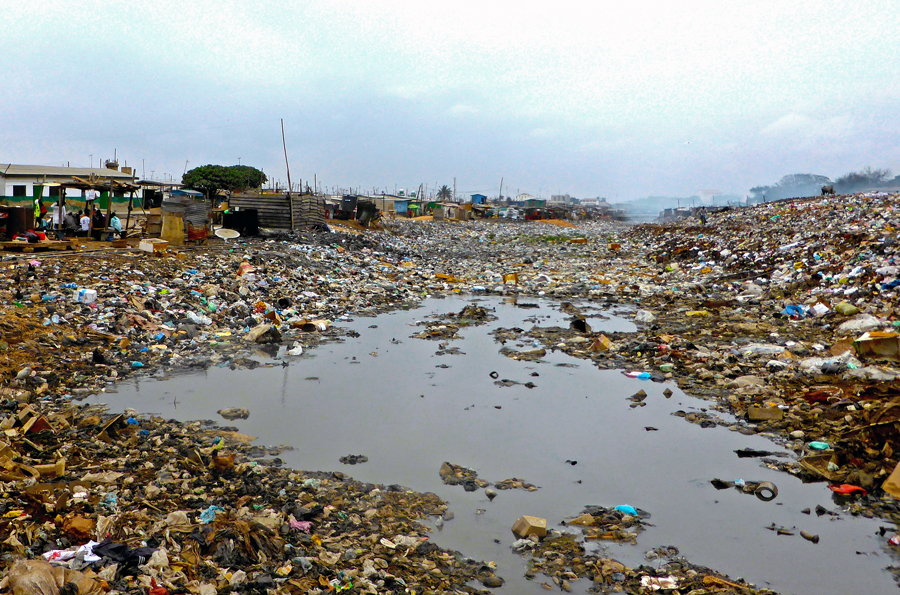
›Despite the threat posed by flooding and sea-level rise, relatively little attention has been paid to the potential for environmentally induced instability in coastal West African cities. However, current trends, including rapid population growth, land use patterns, and increasing climate impacts, suggest the costs of inaction in these urban areas are rising.
-
No REDD+ Program Is an Island: Integrating Gender Into Forest Conservation Efforts
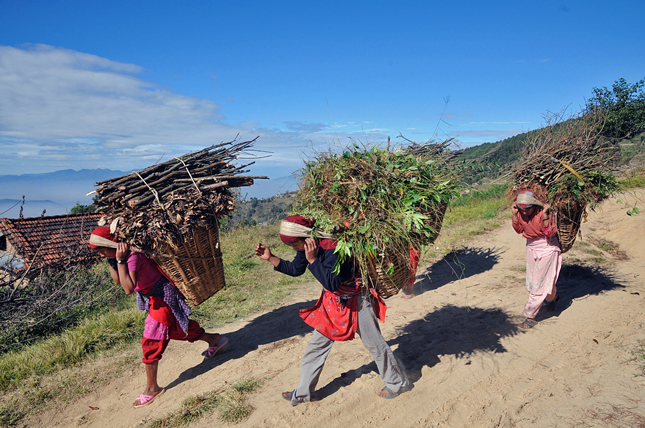
›Since 2005, the Reducing Emissions from Deforestation and Forest Degradation program (REDD+) has functioned as a mechanism to financially incentivize the preservation of forestlands in order to reduce greenhouse gas emissions. But beyond its original use, some organizations have also started exploring ways it can help with other development initiatives, like women’s empowerment. [Video Below] -
The New World of Climate Suffering
›To date, there have been two proposed responses to climate change: mitigation, aimed at stopping the buildup of greenhouse gases, and adaptation, focused on accommodating ourselves to a warmer world. There is a third option, however, that is increasingly relevant: suffering.
-
Why Do People Move? Research on Environmental Migration Coming of Age
›When she finished her dissertation on migration as a response to climate change in 2003, it was one of only a handful of scholarly papers published on the topic that year, said Susana Adamo, an associate research scientist at Columbia University’s Center for International Earth Science Information Network. But in the decade since, interest in climate migration has exploded – in 2012, more than 10 times as many papers were published. [Video Below]
-
Dawn of the Smart City? Perspectives From New York, Ahmedabad, São Paulo, and Beijing (Report Launch)
›Rapid growth and environmental change are creating new challenges for urban areas around the world. By 2050, as many as 7 out of 10 people on Earth will live in cities, with the vast majority of growth occurring in today’s developing countries. [Video Below]
-
Adil Najam: Pakistan’s Security Problems Distract From Climate Vulnerabilities
›When Pakistan makes the news, more often than not it’s for one of two things: violent extremism or drone strikes. Adil Najam, a Pakistan expert and a lead author for the UN’s Intergovernmental Panel on Climate Change, says those headlines distract from a far more pressing security concern for the country: climate change.
Showing posts from category featured.

 Since 2005, the