-
Nature-based Solutions Vital to Mitigating Conflict-linked Environmental Damage
›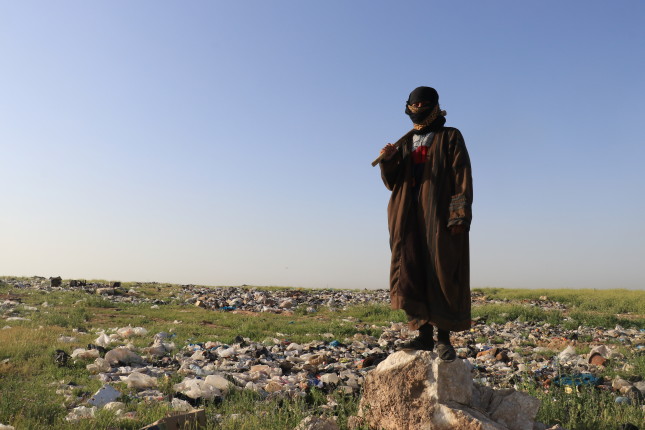
When the dust settles after wars and armed conflicts, people are eager to rebuild their lives and livelihoods in the wake of the devastation wrought upon their country. Often one issue is largely absent in post-conflict reconstruction and development planning: addressing conflict-linked destruction of the environment.
-
Experts Spotlight Bottom-Up Approaches and the Impacts of Conflict on Infrastructure in the Next Wave of Environmental Peacebuilding
›
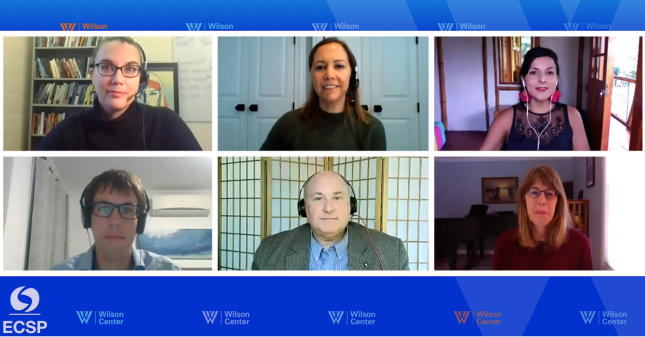
“For 30 years, a community of researchers, practitioners, and policymakers have been working to untangle the complex relationships between environmental change and human and national security, and find entry points for policies and programs that build on these connections to create a more resilient and sustainable peace,” said Lauren Risi, Project Director of the Wilson Center’s Environmental Change & Security Program at a recent event that featured contributors to a new special issue of International Affairs on environmental peacebuilding.
-
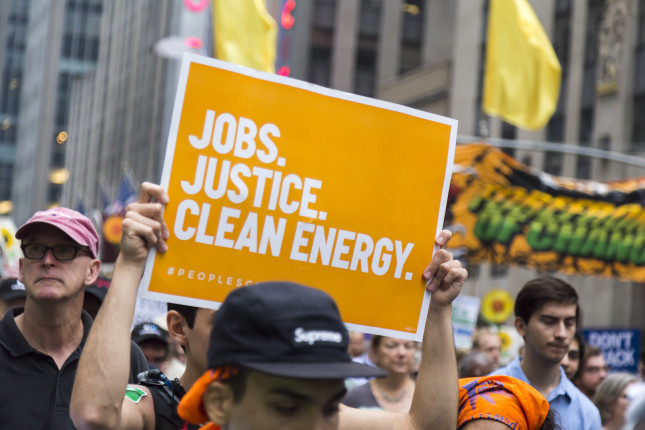
Top Biden Climate Advisor, Others Preview 2021 Energy and Enviro News
›February 12, 2021 // By Joseph A. Davis White House climate advisor Gina McCarthy gave an exclusive preview of the Biden administration’s Jan. 27 rollout of climate initiatives to more than 1,100 journalists, environmental experts and others watching a virtual program organized the same day by Society of Environmental Journalists.
The SEJ’s ninth annual Journalists’ Guide to Energy & Environment look-ahead event, entirely online due to the pandemic, was hosted for the second year by the National Geographic Society and co-sponsored by the Wilson Center.
-
Pan-African Response to COVID-19: New Forms of Environmental Peacebuilding Emerge
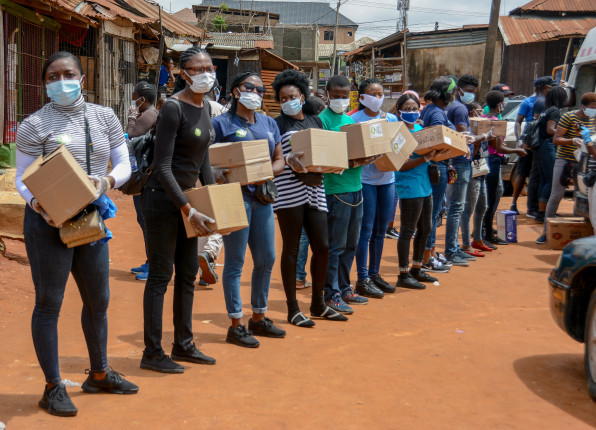
›Guest Contributor // February 8, 2021 // By Elaine (Lan Yin) Hsiao, Fakunle Aremu & Ousseyni KalilouEarly predictions about COVID-19’s impacts on Africa suggested that the continent would be a disaster zone marked by weak medical systems collapsing under strain and undemocratic states failing to provide social services to destitute populations. These predictions did not come to pass. Instead, many countries across the continent stepped up early on to join the world in curtailing the spread of COVID-19. The second order effects of the virus have been significant, however. Despite the low numbers of infections and deaths, lockdowns and the decline of a large percentage of informal trade and commerce in Sub-Saharan Africa have sent the region’s economy into recession, with increased inflation rates, widespread unemployment, and increased food insecurity. It’s within this context that collaboration (internationally and within the continent, between governments, the private sector, and local communities) to protect the environment—and by extension enhance livelihoods, promote sustainable development, and achieve enduring peace—has taken new forms.
-
Zafar Imran, Le Monde diplomatique
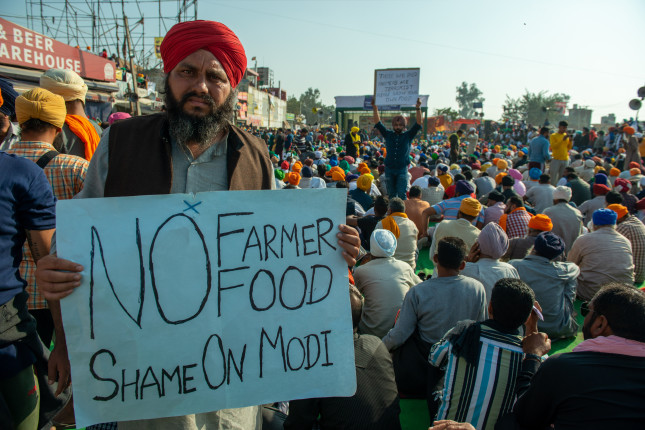
Climate Change in the Indian Farmers’ Protest
›The ongoing farmers’ movement in India has taken the world’s largest democracy by storm. Hundreds of thousands from all over the country have laid siege to New Delhi for more than two months. As both the protestors and the government dig their heels in, the chances of confrontation and violence are increasing by the day.
-
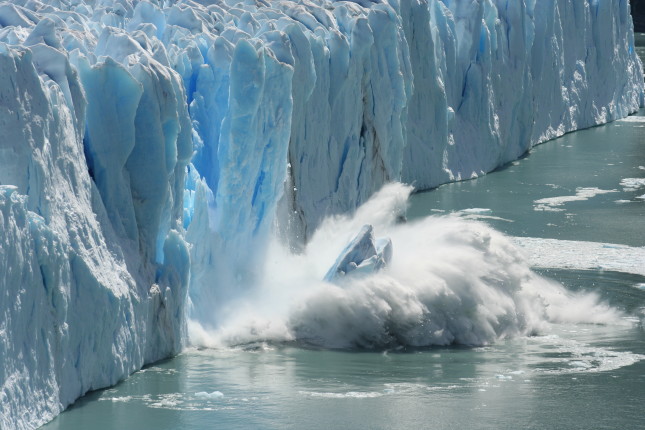
Tip of the Iceberg: Polar Ice Loss Effects the Planet
›When the United States purchased Alaska from Russia, Americans considered the “frozen wasteland” to be a reckless, wasteful acquisition. What could ice possibly offer?
In fact, polar ice is a critical resource for the Earth. The summer and fall of 2020 marked the lowest sea ice extent ever recorded in the Arctic Ocean, and the Intergovernmental Panel on Climate Change (IPCC) says contemporary September sea ice extents are so low that they are unprecedented in at least 1,000 years. Moreover, collapses in the ice shelves of West Antarctica, Canada, and Greenland raised concerns in 2020. The immediate effects of climate change in the polar regions are merely the tip of the iceberg—ultimately, they have profound effects on climate and communities around the world.
-
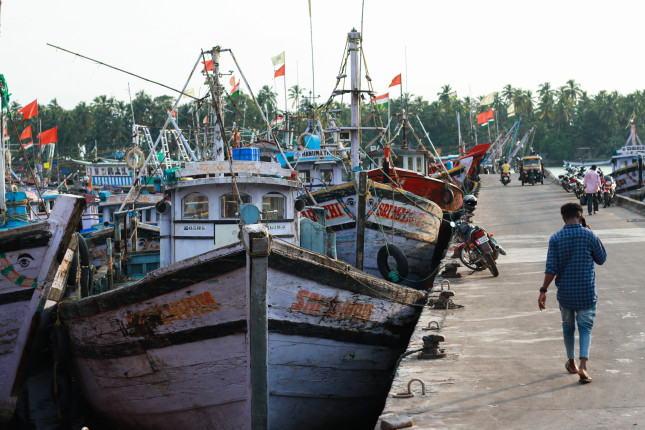
Managing Fisheries Conflict in the 21st Century: A Role for Regional Management Organizations?
›Are climate change and declining fisheries productivity likely to lead to a future of fish wars, or can existing fisheries management institutions evolve to help prevent large-scale fisheries conflict? From militarized fishing practices in the South China Sea, to the ongoing wrangling between the European Union and Great Britain over fishing rights, to violent clashes between indigenous and non-indigenous fishers in Canada, fisheries are at the center of many international, or at least inter-governmental, disputes.
-
Leverage COVID-19 Data Collection Networks for Environmental Peacebuilding
›Environmental peacebuilding could benefit from COVID-era data innovation. A well-documented obstacle environmental peacebuilders face is a lack of shared, empirical datasets among parties engaged in, recovering from, or descending into conflict. Current innovations in data collection may soon help seal these gaps.
Countries throughout the world have expanded their data collection capabilities to track the spread of COVID-19. From text message contact tracing to drone surveillance, these innovations inform national responses and shape the global case counting webpages that many of us anxiously refresh every day. The information networks established during the pandemic may endure far into the future, informing new goals, projects, and policies.
Showing posts from category environment.